New Brunswick Water Damage Restoration
A wet room needs more than a mop. New Brunswick property owners can arrange extraction, damaged material assessment and measured drying that follows moisture beyond the first visible puddle into surrounding building materials.
(888) 471-9821Discuss the wet roomsAccess conditions, the water source and affected materials shape the cleanup plan before equipment enters the property.
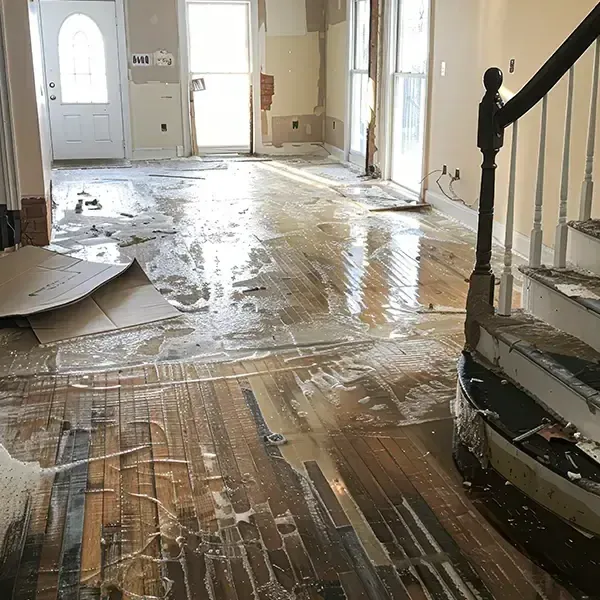
Different leaks need different recovery decisions
A roof drip, sewer backup and broken supply pipe leave different cleanup problems. Service choices begin with the source, affected materials and safe access.

Water Extraction and Removal
Water can cross thresholds and soak wall edges. Extraction clears accessible water and identifies where additional moisture checks belong.
Water Extraction and Removal details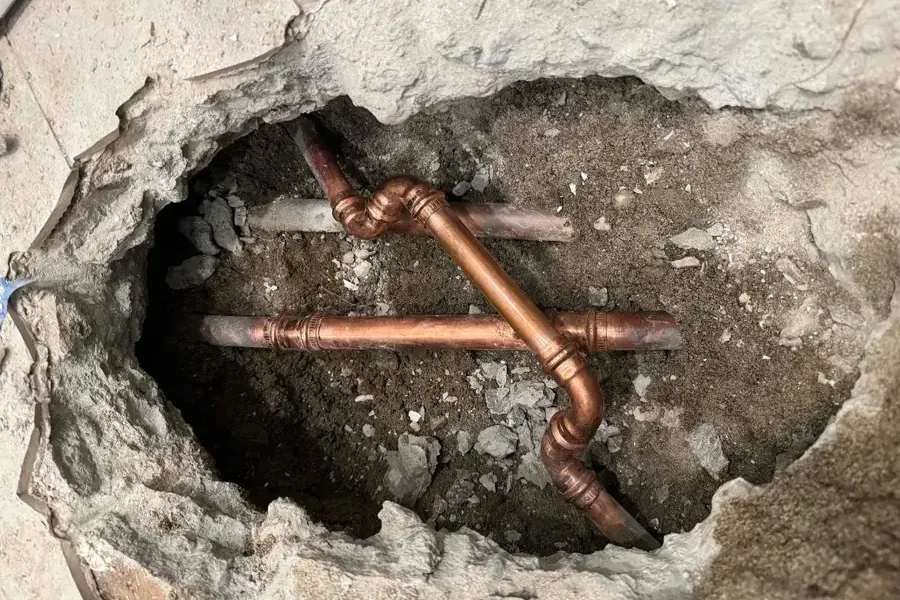
Slab Leak Water Damage
Damp flooring over concrete needs inspection beneath its finish. Plumbing repair and moisture removal address different parts of this concealed loss.
Slab Leak Water Damage details
Sewage Backup Cleanup
Wastewater requires restricted access. Porous finishes and contaminated belongings need assessment before cleanup equipment moves through occupied rooms.
Sewage Backup Cleanup details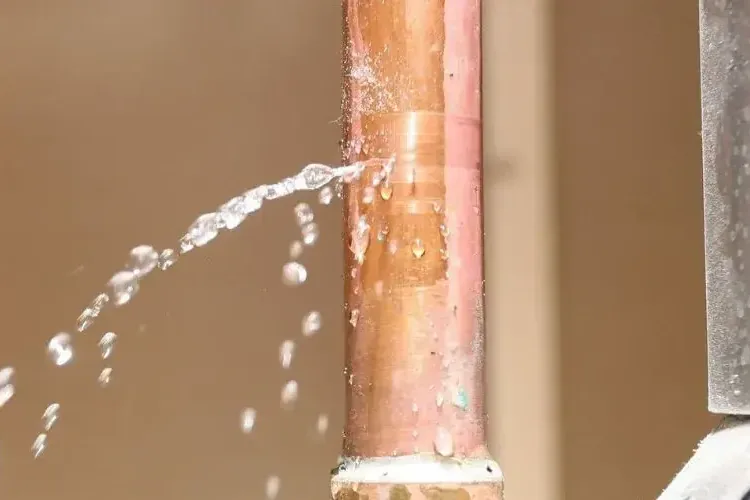
Burst Pipe Water Damage
A split supply pipe can wet several surfaces at once. Tracking the spray path helps define drying boundaries beyond the broken fitting.
Burst Pipe Water Damage details
Storm and Flood Cleanup
Outdoor floodwater brings sediment into buildings. Entry safety, debris handling and the condition of lower walls determine how storm recovery can begin.
Storm and Flood Cleanup details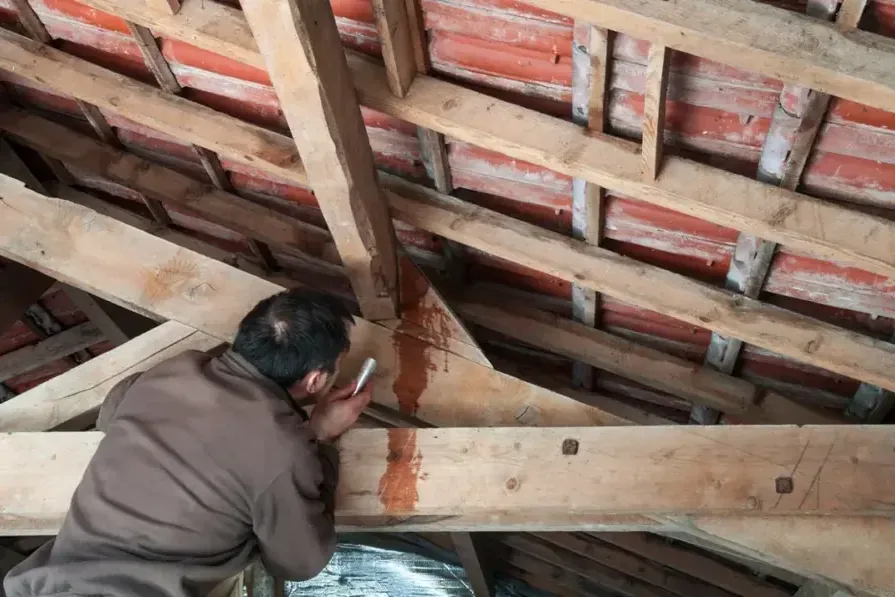
Roof Leak Water Damage
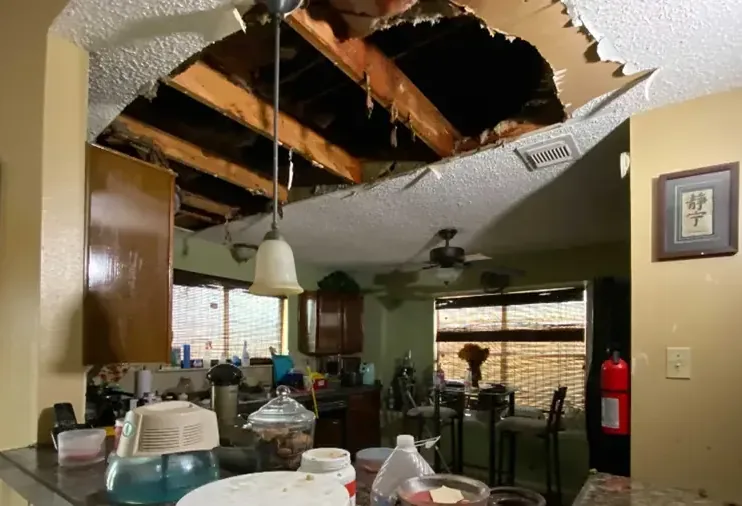
Rain can travel along framing before reaching a ceiling. Roof repairs stop entry while restoration addresses soaked insulation and interior finishes below.
Roof Leak Water Damage details
Ceiling Leak Water Damage
A ceiling stain may hide water above the room. Safe inspection connects the visible damage with plumbing, roofing or another source overhead.
Ceiling Leak Water Damage details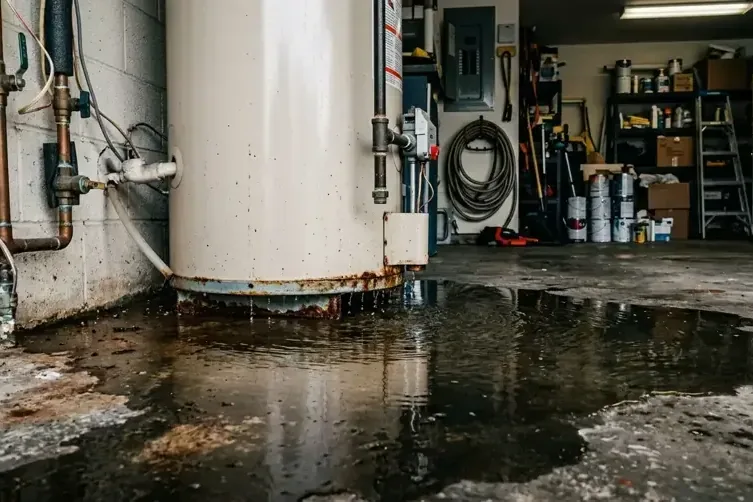
Water Heater Leak Cleanup
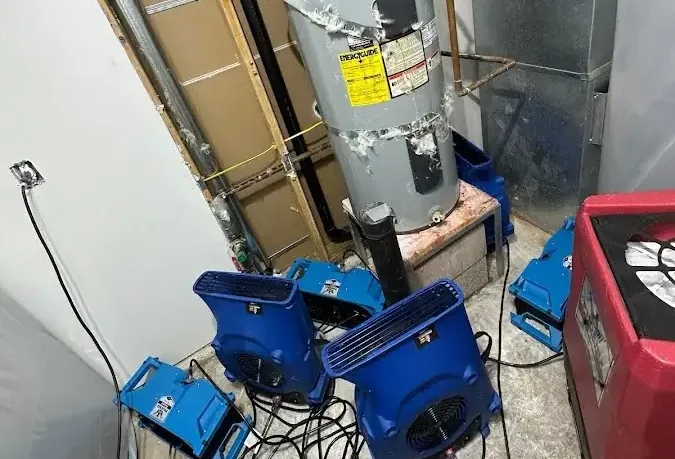
Water around a tank can disappear beneath nearby walls. Heater service and cleanup coordination keep the leaking appliance separate from the drying work.
Water Heater Leak Cleanup details
Appliance and Supply Hose Leaks
A dishwasher or washer spill can reach underneath fixed cabinets. Hidden flooring edges deserve attention even after the exposed tile looks dry again.
Appliance and Supply Hose Leaks details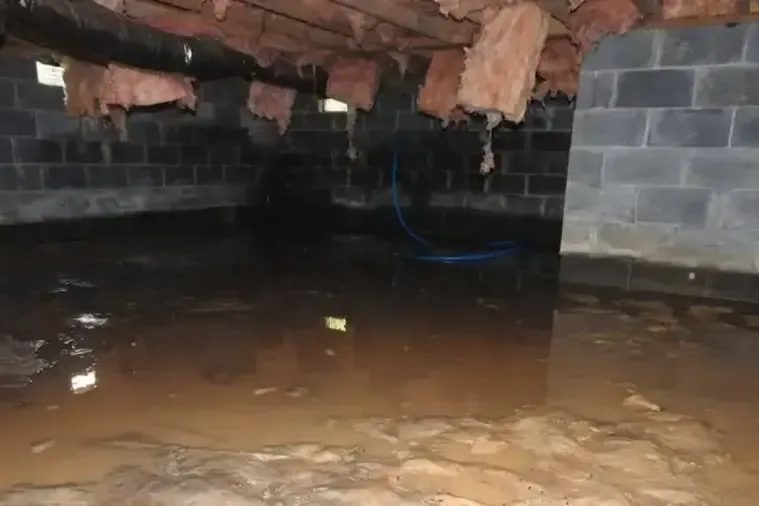
Crawl Space Water Removal
Where a building has a crawl space, pooled water can wet underfloor insulation. Access and electrical conditions determine the removal approach below.
Crawl Space Water Removal details
Structural Drying and Dehumidification
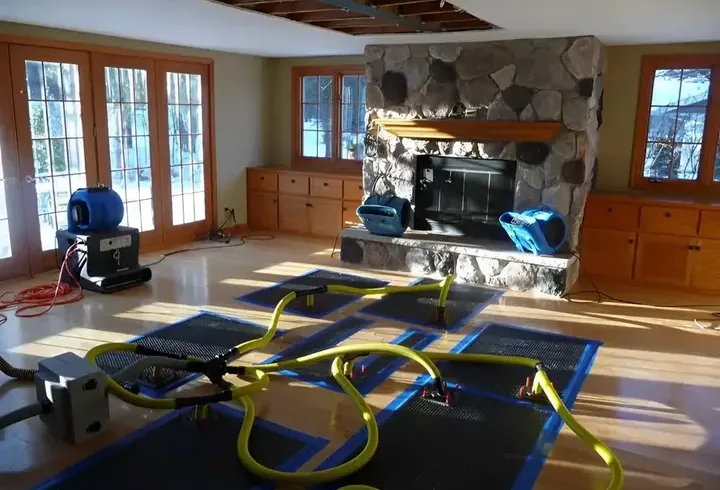
Wood, wall cavities and layered floors release moisture differently. Repeated readings help adjust equipment and establish when affected assemblies are ready for repair.
Structural Drying and Dehumidification details
Basement Water Removal
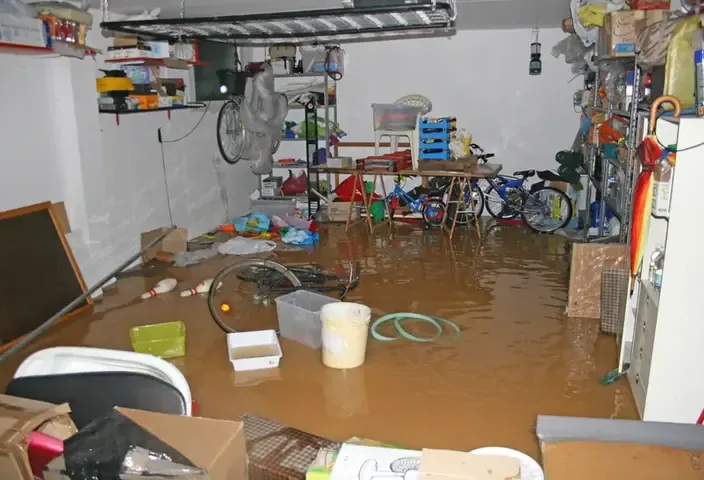
A flooded lower level requires safe entry before pumping. Wall condition, utilities and remaining outside water affect the sequence of removal and drying.
Basement Water Removal details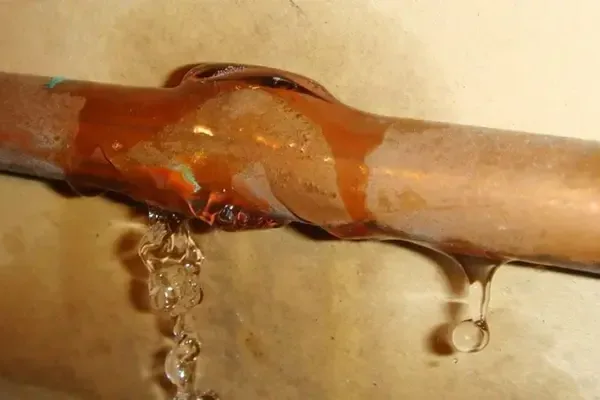
Frozen Pipe Water Damage
Thawing can reveal a concealed pipe split. Supply isolation, repair and cavity checks help limit renewed wetting during cleanup.
Frozen Pipe Water Damage details
Hardwood Floor Water Damage
Wood boards, underlayment and subfloor need moisture checks together. Those findings support decisions about drying, refinishing and replacement.
Hardwood Floor Water Damage details
Commercial Water Damage
Business losses require access planning around occupants and contents. Separate work zones help protect dry areas during water removal and drying.
Commercial Water Damage detailsHelp for wet rooms nearby
A drying plan follows the building
Water cleanup works best when source repair, removal and moisture checks support each other. The scope should explain which materials need attention next.
Defined wet boundary
Measurements at the edges of visible damage help distinguish the affected room from adjoining areas that also need inspection before repairs begin.
Practical access planning
Residents and property managers can identify locked spaces, shared entrances and occupied rooms so equipment placement supports safe movement throughout the cleanup work.
Material specific decisions
Drywall, insulation, wood and concrete call for different checks. Salvage decisions should consider contamination and physical condition alongside the amount of retained moisture.
Clear completion records
A useful handoff describes remaining repairs, moisture findings and materials removed. Those details help the owner understand the condition of the space after drying.
How water damage restoration is handled
Establish a safe work area
Entry hazards and active water sources are addressed before removal begins. Wet zones are identified so residents understand where access remains restricted.
Remove accessible water and debris
Extraction reduces the water available to soak deeper into materials. Cleaning and selective removal follow the type of water and condition of finishes.
Dry the remaining building materials
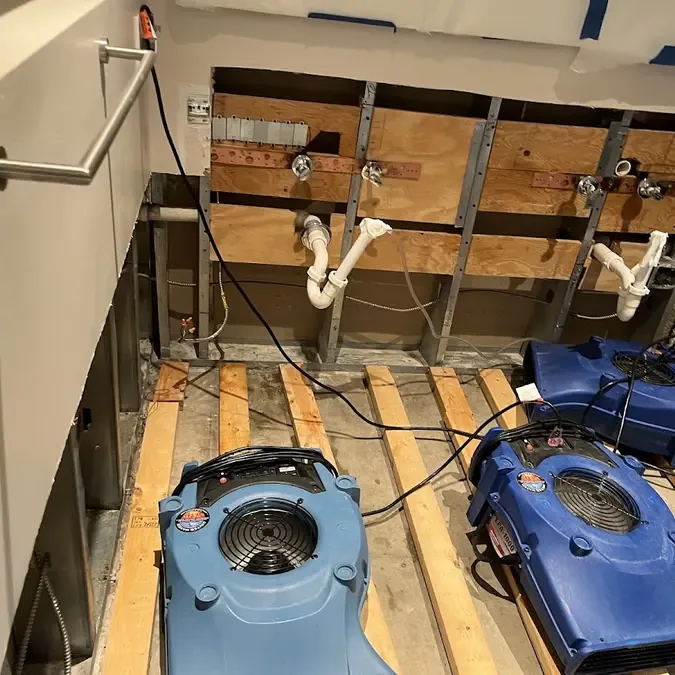
Equipment placement responds to the affected assembly. Airflow, dehumidification and suitable access work together instead of relying on room temperature or touch alone.
Assess readings before closing cavities
Moisture results and physical damage shape the repair handoff. Areas that remain wet need further attention before new paint, trim or flooring goes down.
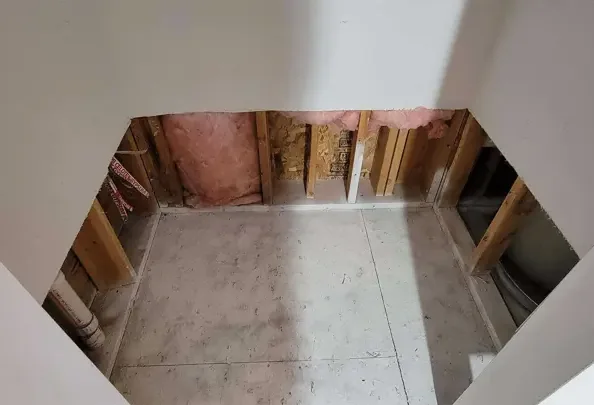
Water removal and drying across different building surfaces
New Brunswick neighborhoods and arrival details
Share the entrance and affected level
The city includes downtown high rise residences around New Brunswick station and named neighborhoods such as Feaster Park. Building access can shape the equipment route and inspection sequence.
An owner or manager should identify the affected floor, a safe entrance and any shared spaces involved. The property location is checked directly because postal delivery areas differ from city boundaries.
New Brunswick, NJ · [email protected]
(888) 471-9821Discuss access for cleanupUseful location details
Postal reference
Nearby service areas
What affects New Brunswick water cleanup costs?
Cleanup pricing reflects the size of the wet area, the water category and the assemblies involved. A small accessible spill differs from water behind walls or contaminated basement contents. An inspection separates removal, drying and repair needs.
Small accessible loss
- Limited wet surface
- Straightforward equipment access
- Localized drying needs
Several affected surfaces
- More connected wet rooms
- Access behind selected finishes
- Additional moisture monitoring
Complex building damage
- Extensive material removal
- Complicated building access
- Broader contamination controls
These planning ranges describe potential scopes, not a property estimate. Source repair, replacement finishes and unusual access requirements should be discussed separately when the work is assessed.
Check the materials at every stage
Removing a puddle changes the room immediately, but a dry looking surface can conceal moisture. A restoration plan needs a starting record, suitable equipment and repeat checks before enclosed materials disappear behind replacement finishes.
Keep the first decisions simple and safe
Stay outside unsafe rooms
Water near electricity, a sagging ceiling or damaged foundation requires separation. Residents should keep others away until qualified help establishes safe access.
Control a reachable source
A known shutoff may limit a plumbing spill if reachable from dry ground. A resident should never cross floodwater to reach valves or switches.
Notify the responsible contact
Tenants should alert the property manager promptly. In shared buildings, describing affected rooms above and below helps coordinate access without sending occupants into wet areas.
Record the visible spread
Photos from a safe position can capture water depth, damaged belongings and affected surfaces. Notes help explain the sequence during later cleanup discussions.
Preserve a usable route
Dry exits should stay clear. Equipment and removed materials need a planned path that avoids carrying contamination through unaffected spaces during restoration work.
Source and exposure shape the work
Supply water escape
Water from a broken supply connection may start relatively clean, then pick up dirt from floors and cavities. Conditions at inspection determine the handling approach.
Follow escaped supply waterWater under fixtures
A spill behind an appliance can sit beneath fixed finishes. Removing visible water is only the beginning when cabinets or layered flooring hide its route.
Inspect beneath the applianceContaminated water entry
Sewage and outdoor floodwater require controlled cleanup. Keeping residents out of the affected area protects dry rooms while damaged materials and surfaces receive appropriate attention.
Understand wastewater cleanupDocument damage as decisions happen
A claim discussion benefits from clear photos, dates and an itemized work record. Policy terms determine coverage, and the insurer makes the coverage decision for the loss.
- Photograph the visible water from safe ground
- Record when the problem was first noticed
- Save invoices for necessary emergency work
- List belongings affected by the water
- Keep source repair and drying records together
When paying directly for cleanup
A written scope helps compare the proposed work with the observed damage. It should distinguish water removal, material handling and drying from later finish replacement.
Changes discovered behind a wall or beneath flooring should be explained before expanding the work. Clear records support practical decisions even when no insurance claim is involved.
Plan before you call
Water can enter through different routes
New Brunswick lies on the southern banks of the Raritan River and receives rainfall throughout the year. Cleanup decisions still begin with the source at the affected property.
July 18, 2023: Flash flooding affected Drift Street homes and the Family Court underground garage. Some homes received vacate orders after basement walls partly collapsed.
Flooded lower levels
After substantial flooding, wall movement and unsafe utilities can prevent entry. A basement needs structural and electrical assessment before anyone attempts to remove water or belongings.
Rain above the room
Roof water may follow framing into a ceiling cavity. Tracing that route allows roof repairs and interior drying to address the same event from different sides.
Leaks between occupied floors
Downtown residential towers make coordination important when water crosses unit boundaries. Managers can arrange access to the source room and the spaces below for a connected assessment.
Cold weather plumbing
Moderately cold winters make exposed plumbing worth attention. When a pipe leaks during thawing, isolating the supply and checking concealed spaces precede patching the wall around it.
Summer drying conditions
Hot, humid summers can complicate moisture removal through open windows. Drying equipment should respond to actual indoor and outdoor conditions while affected materials receive repeated moisture checks.
Questions after water enters
Explain the affected space
The visible water, its suspected source and safe entry details help define the next inspection and cleanup decisions.
(888) 471-9821Talk through the damageIs a room dry when the puddle disappears?
A clear floor can still cover a wet underlayment, and wall edges may retain moisture above the surface. Instrument readings and checks at adjoining materials help establish the affected boundary. Repair decisions should follow those findings rather than the appearance of the exposed floor alone.
What happens when water reaches an apartment below?
The property manager should coordinate entry to the source unit and affected spaces below. Ceiling cavities, shared walls and floor penetrations can connect the damage. Access permissions and occupied areas belong in the work plan so separate rooms receive a connected moisture assessment.
Does every wet material need to be removed?
Removal depends on contamination, physical deterioration and whether the assembly can dry effectively. Some sound materials can remain with suitable access and monitoring. Swollen, delaminated or contaminated porous materials may need replacement. The assessment should explain the reason for each decision before reconstruction starts.
Can residents enter a flooded basement to retrieve belongings?
Floodwater may conceal electrical hazards, unstable stairs and damaged walls. Residents should remain outside until qualified professionals establish that entry is safe. Items visible near the entrance can wait; a flooded space should never be crossed to reach a breaker, appliance or storage shelf.
Should windows stay open while equipment runs?
Window position depends on the drying conditions. Humid outdoor air can work against dehumidification, while uncontrolled openings change the managed space. Residents should follow the equipment plan and discuss comfort concerns before changing doors or windows, particularly when the wet area connects to occupied rooms.
Who handles a broken pipe or damaged roof?
Source correction and restoration are related tasks with different responsibilities. A plumbing or roofing professional addresses the failed component, while cleanup deals with water already inside. Coordination prevents a repaired room from getting wet again and helps identify when the source repair is complete.
How should a tenant report water damage?
The report should identify the wet room, when the water appeared and any visible source without entering a hazardous area. Photos from safe ground are useful. The landlord or manager needs prompt notice, especially when shared spaces, another apartment or building utilities may be involved.
Can a cleanup estimate settle insurance coverage?
A restoration estimate describes proposed work and associated costs. Insurance coverage depends on the policy and the insurer's assessment of the event. Keeping photos, source repair details and drying records together helps explain what happened, but the estimate itself does not decide a claim.
What information belongs in the final drying record?
The record should identify affected areas, material removal, equipment use and moisture findings at completion. Remaining repairs or inaccessible areas also need clear explanation. This gives the property owner a practical handoff for reconstruction and helps prevent a finish contractor from covering an unresolved wet assembly.
Give the wet space a clear next step
Describe the source, affected rooms and safe access so the cleanup scope can follow the actual damage.
(888) 471-9821Arrange a water damage assessment