New Brunswick Crawl Space Water Removal
Water under a building can be difficult to see and unsafe to reach. New Brunswick crawl space cleanup begins with the actual access opening, utility conditions and wet underfloor materials before removal equipment is selected.
(888) 471-9821Discuss pooled underfloor water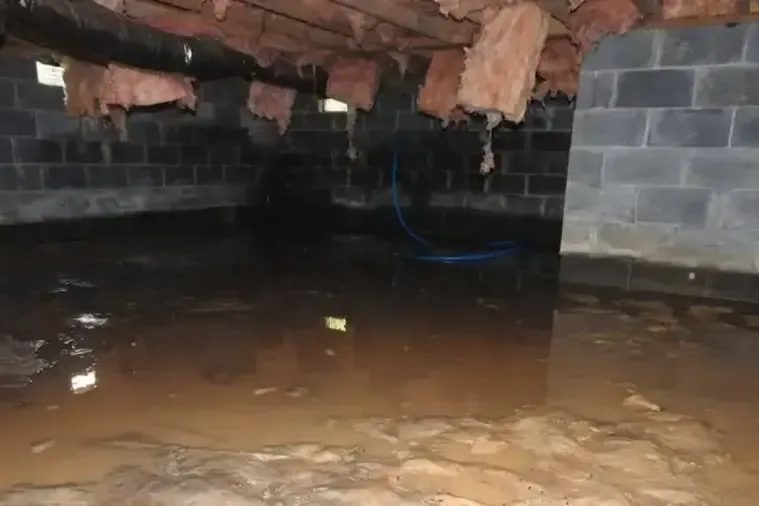
How the team handles crawl space water removal
Rapid local response
The response team treats active water as urgent and asks about the source, electrical hazards and occupied rooms. Dispatch planning starts with safe access and a clear description of the loss.
IICRC S500 drying standard
The drying team sets a moisture goal for each material, then balances extraction, airflow and dehumidification. Daily readings show where equipment needs adjustment and when drying can finish.
Claim-ready documentation
The restoration contractor records the water source, affected materials and work sequence. Photographs and moisture records explain the scope to the property owner and insurer without promising a coverage decision.
Local water experts
The mitigation team checks the actual building and follows water beyond the visible puddle. Adjoining rooms, floor edges and concealed cavities receive attention before finishes close over the structure.
First steps for crawl space water removal
Keep residents outside the opening
A crawl space may contain hazards hidden by darkness and water. Occupants should avoid entry until appropriate assessment establishes access conditions and the utilities below the floor are considered.
Describe visible access conditions
The property contact can identify the opening location and nearby obstacles from outside. Information about stored items or restricted clearance helps organize inspection without requiring anyone to enter the space.
Report possible continuing water
A plumbing leak or repeated outside entry may keep the area wet. Sharing when water was noticed and whether it changes after rain helps focus the source investigation.
Plan a protected removal route
Wet insulation and debris need controlled handling out of the building. The route should avoid occupied rooms where possible and preserve safe passage around equipment and temporarily open access covers.
A dark opening beneath the floor can hide standing water, damaged wiring and loose insulation. Residents should not crawl inside to measure the water or move stored belongings. The assessment needs to establish whether safe access is possible and where the water came from. Those findings shape equipment selection and the sequence of underfloor work.
What does crawl space water removal cost in New Brunswick, NJ?
Crawl space water removal costs in New Brunswick reflect entry conditions, pooled water and the underfloor materials affected. Restricted clearance, wet insulation and contamination can broaden the work. Source correction and replacement insulation should be distinguished from extraction, cleaning and structural drying in the estimate.
Accessible pooled water
- Usable access opening
- Localized low pockets
- Initial underfloor inspection
Wet insulation and framing
- Insulation handling decisions
- Retained wood assessment
- Additional drying access
Complex underfloor loss
- Restricted working clearance
- Broader contaminated materials
- Extensive moisture monitoring
Typical ranges depend on water category, wet area, access and material layers. The inspection defines the scope. Compare inputs with the water damage cost calculator.
The crawl space water removal process
Establish safe underfloor access
Inspection considers clearance, utilities and the water source before entry. Any restrictions are explained so removal equipment and personnel can use an approach suited to the actual crawl space.
Reach separate low pockets
Water removal follows the underfloor layout as submerged areas become accessible. Obstacles and changes in level can leave isolated pockets requiring attention beyond the first equipment position.
Assess insulation above the water
Wet insulation and debris are handled according to condition and contamination. Exposed framing receives assessment for cleaning and drying while a protected route keeps removed material away from occupied rooms.
Document retained wood conditions
Repeat checks address framing and subfloor surfaces above the cleared ground. The handoff records moisture findings, source status and any remaining insulation or access repairs needed by the property.
Plan the route before entering
Fifth Ward, Lincoln Park and Edgebrook-Westons Mills are city neighborhoods. For a particular property, the presence and configuration of a crawl space must be established directly. Its opening, interior clearance and utility layout determine how inspection and removal can proceed. A neighborhood name cannot substitute for those practical building details.
New Brunswick receives rain throughout the year. When a crawl space is wet, the source assessment should distinguish outside entry from a plumbing release or another building problem. Continuing water needs attention alongside removal; otherwise the same low area may refill while equipment is attempting to dry surrounding materials.
Pooled water below the floor needs an access assessment before anyone enters. Describe the opening, visible water and suspected source to help organize the underfloor inspection.
(888) 471-9821Assess the wet underfloor spaceAddress water and insulation as separate problems
Pumping a low pocket can leave saturated insulation overhead and damp wood above it. The material inspection should follow the exposed underfloor assembly, including areas beyond the deepest water. Insulation that has fallen or lost its usefulness may need handling before airflow can reach the retained structure.
- Keep access openings clear without sending occupants into the confined area.
- Record visible water and insulation condition from a safe inspection position.
- Identify utility concerns before moving hoses or equipment below the floor.
Contamination changes the cleanup sequence. Muddy outside water or wastewater requires appropriate material decisions and cleaning before ordinary drying airflow is introduced. Removed material also needs a suitable route out of the building so dirty debris does not pass unprotected through occupied rooms.
Check the underside of the living space
The floor above can retain moisture even after pooled water is gone. Readings at accessible framing and subfloor surfaces help establish the remaining drying needs. Air circulation, humidity control and access should be chosen for the actual underfloor space, with attention to the condition of materials and the equipment's safe operation.
If water has also affected finished rooms, structural drying can connect the underfloor findings with interior checks. The final record should explain the source status, material removal and moisture results. Any repair to plumbing, insulation or access covers belongs in the handoff so the owner understands what remains after water removal ends.
Crawl space water removal in New Brunswick
Crawl space assessments in New Brunswick apply where the property's construction includes an affected underfloor area. Owners can describe access openings and visible conditions while inspection establishes the clearance, utilities and materials involved in the loss.
The same service nearby: crawl space water removal in Somerset, Piscataway, South Plainfield.
Water damage restoration in New Brunswick · every town covered
Pooled water below the floor needs an access assessment before anyone enters. Describe the opening, visible water and suspected source to help organize the underfloor inspection. Call (888) 471-9821.
Related water damage services in New Brunswick



Crawl Space Water Removal questions in New Brunswick, NJ
Discuss the wet area
Pooled water below the floor needs an access assessment before anyone enters. Describe the opening, visible water and suspected source to help organize the underfloor inspection.
(888) 471-9821Assess the wet underfloor spaceCan a resident enter to inspect the depth of water?
Underfloor spaces can conceal electrical hazards, unstable surfaces and limited escape routes. Residents should remain outside and describe what is visible from a safe position. An appropriate assessment determines whether entry is possible and how the inspection can proceed without relying on an occupant crawling through the water.
Does this service assume every local home has a crawl space?
The building's actual construction determines whether underfloor cleanup applies. Inspection establishes the access opening, clearance and affected assembly. Where another foundation arrangement is present, the restoration scope follows that structure instead, such as a flooded basement or moisture beneath flooring over concrete at the property.
Why remove wet insulation if the water is already pumped out?
Insulation can retain water, sag away from its position or obstruct inspection of wet framing. Its condition and exposure need separate evaluation after pooled water is removed. The material decision should explain whether it can remain and how the structure above will be dried and checked.
Will opening the access cover dry the entire space?
Effective underfloor drying requires airflow and moisture control throughout the space, beyond the open access cover. Outdoor humidity and internal obstacles can affect drying. Equipment and ventilation decisions should follow the actual conditions, with readings at retained materials used to assess progress rather than the appearance near the entrance.
What if the crawl space fills again during work?
Renewed water means the source or surrounding conditions need further attention. The property contact should report the change so removal and drying plans can be reassessed. Repairing a plumbing defect or addressing another entry route is a separate coordinated task that supports lasting restoration of wet materials.
Can moisture beneath the floor affect the room above?
Water can reach the subfloor and other connected materials even when the living space has no puddle. Inspection may therefore include readings above and below the same area. Those comparisons help establish whether the restoration boundary is limited to the crawl space or extends into finished rooms.
Check the structure above the pooled water
Removal and material assessment can address insulation and framing that remain damp after accessible standing water has been cleared.
(888) 471-9821Arrange a crawl space assessment