New Brunswick Burst Pipe Water Damage
A broken supply pipe can spray above the floor before water collects below. New Brunswick burst pipe restoration traces that wider path, connecting plumbing isolation with wall, ceiling and floor moisture assessment.
(888) 471-9821Discuss the burst pipe loss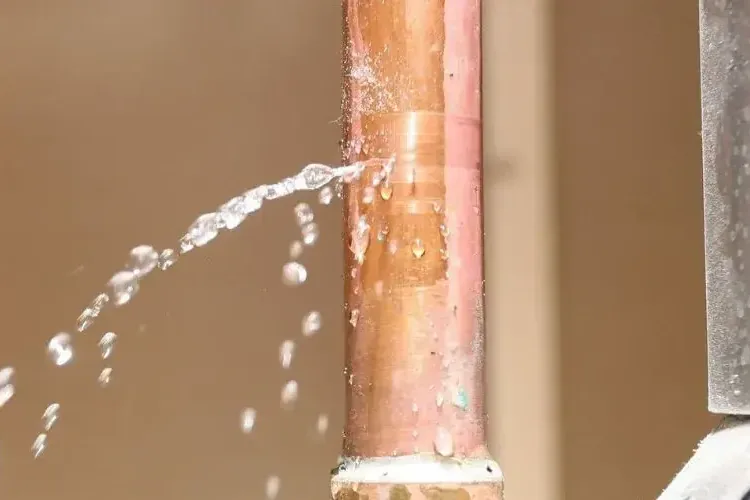
How the team handles burst pipe water damage
Rapid local response
The response team treats active water as urgent and asks about the source, electrical hazards and occupied rooms. Dispatch planning starts with safe access and a clear description of the loss.
IICRC S500 drying standard
The drying team sets a moisture goal for each material, then balances extraction, airflow and dehumidification. Daily readings show where equipment needs adjustment and when drying can finish.
Claim-ready documentation
The restoration contractor records the water source, affected materials and work sequence. Photographs and moisture records explain the scope to the property owner and insurer without promising a coverage decision.
Local water experts
The mitigation team checks the actual building and follows water beyond the visible puddle. Adjoining rooms, floor edges and concealed cavities receive attention before finishes close over the structure.
First steps for burst pipe water damage
Reach only a safe shutoff
A resident may use a known valve from dry ground. If reaching it requires entering water or approaching wet electricity, the area should remain off limits.
Keep the spray area clear
Water striking walls or ceilings can loosen finishes. People and movable belongings should stay away from the immediate release and any overhead surface showing deformation.
Alert adjacent occupants through management
In a shared property, the manager can arrange inspection of connected spaces. Reporting the source room and affected level helps identify where access may be needed.
Save the repair details
The plumber's findings and photographs help explain the source. Keeping those records with restoration notes connects the pipe repair to the broader water damage assessment.
The wettest patch may be below the pipe rather than beside the break. Pressurized water can strike framing, enter insulation and run along concealed surfaces before reaching a room. A useful inspection reconstructs that route. It considers the pipe location, the direction of spray and the places where water could collect out of sight.
What does burst pipe water damage cost in New Brunswick, NJ?
New Brunswick burst pipe cleanup costs reflect the surfaces reached by spray and runoff. A single accessible room needs a different scope from wet cavities across several levels. Plumbing repair and final rebuilding should be identified separately from extraction and drying.
One room
- Contained wet footprint
- Accessible floor removal
- Local moisture checks
Walls and floors
- Cavity access decisions
- Layered finish assessment
- Wider drying arrangement
Multi-level spread
- Connected room inspections
- More material handling
- Shared access coordination
Typical ranges depend on water category, wet area, access and material layers. The inspection defines the scope. Compare inputs with the water damage cost calculator.
The burst pipe water damage process
Trace the release route
The assessment begins at the failed pipe and follows spray, runoff and gravity spread. Moisture checks at surrounding materials establish the restoration boundary.
Extract and expose selectively
Accessible water is removed while damaged finishes are assessed. Openings are planned where they allow inspection or drying of concealed materials rather than treating every nearby wall identically.
Dry after source correction
Equipment supports moisture removal from retained surfaces once continuing wetting is controlled. Follow up readings show whether concealed edges and adjoining rooms are responding to the drying arrangement.
Connect records to repairs
The completion record links the wet footprint, material decisions and drying findings. Repair contractors can then see which surfaces are ready and which construction tasks remain after restoration finishes.
Limit the release without crossing a hazard
A reachable shutoff on dry ground can reduce an active supply loss. Residents should not enter water or touch wet electrical equipment to find it. Plumbing repair addresses the failed component; restoration then handles the moisture already distributed through the building. Both tasks need coordination before supply is restored and cavities are closed.
Fifth Ward, Feaster Park and Lincoln Park are named city neighborhoods. For a home in any of them, room layout and the actual pipe location matter more than a general neighborhood assumption. The inspection should follow the affected building's partitions and floor changes to establish how far the escaped water traveled.
A repaired pipe can leave a wider wet footprint behind. Describe the source location, any overhead damage and adjoining rooms so the cleanup assessment follows the full release.
(888) 471-9821Assess the pipe water footprintCheck the spray path above the puddle
A wet floor draws attention, but water may also sit in an overhead cavity or behind the wall beside the break. Swollen trim, staining and damp insulation help identify inspection points. Readings at adjoining surfaces can reveal spread that a photograph of the pipe itself would miss.
- Check both sides of a partition when plumbing runs inside it.
- Inspect floor transitions where runoff can disappear beneath another finish.
- Record wet contents separately from damage to the building assembly.
Selective openings should provide useful access while respecting the condition of the materials. A sagging ceiling or unstable finish requires a controlled approach, not an improvised puncture. Occupants should stay clear until the affected assembly can be handled safely.
Keep the repaired pipe separate from drying completion
New Brunswick's residential buildings include low rise housing and towers around its station. In a shared building, managers may need to arrange access above, below or beside the source room. An isolated repair does not settle the condition of those connected spaces.
Once water removal is complete, structural drying addresses retained moisture in suitable materials. The repair handoff should state what was dried, what was removed and which finishes still need replacement. Repeated checks help keep a newly patched wall from hiding moisture left by the original burst.
Burst pipe water damage in New Brunswick
Burst pipe restoration in New Brunswick considers the affected level and connected rooms. Owners and managers can identify access restrictions, wet ceilings and the plumbing repair status before the inspection and drying scope are organized.
The same service nearby: burst pipe water damage in Somerset, Piscataway, South Plainfield.
Water damage restoration in New Brunswick · every town covered
A repaired pipe can leave a wider wet footprint behind. Describe the source location, any overhead damage and adjoining rooms so the cleanup assessment follows the full release. Call (888) 471-9821.
Related water damage services in New Brunswick



Burst Pipe Water Damage questions in New Brunswick, NJ
Discuss the wet area
A repaired pipe can leave a wider wet footprint behind. Describe the source location, any overhead damage and adjoining rooms so the cleanup assessment follows the full release.
(888) 471-9821Assess the pipe water footprintWhy is the wet area larger than the pipe opening?
Pressurized water can spray across a cavity and then run along framing or flooring. The visible opening may represent only the source location. Inspection should follow the likely route and check adjacent surfaces so the drying scope includes water that traveled before reaching the floor.
Can the water supply return as soon as the pipe is fixed?
The plumbing professional determines when the repaired supply can operate safely. Restoration staff should know when that happens so renewed wetting can be recognized. A repaired pipe and a dry building are different milestones, and material checks may continue after the plumbing is functioning again.
Should a swollen ceiling be punctured to drain water?
A bulging ceiling can release water and damaged material unpredictably. Residents should keep clear of the area beneath it and avoid improvised openings. A controlled assessment considers electrical fixtures, the ceiling assembly and safe handling before water or finishes are removed from the overhead space.
Will a fan aimed at the wall dry the cavity?
Air moving across paint may not reach wet insulation or the back of wallboard. Drying depends on the assembly and the available access. Moisture readings help determine whether surface airflow is useful or whether selective opening and a different equipment arrangement are needed for concealed materials.
What happens if water crossed into another apartment?
The manager should coordinate access to both spaces and any affected level below. Separate rooms may share the same water route through floor penetrations or partitions. The restoration record should identify each inspected area so a dry source room does not obscure damage elsewhere in the building.
What records help explain a sudden pipe loss?
Useful details include when the release was noticed, the failed component identified by the plumber and photographs of affected rooms. Extraction, material removal and drying notes document the response. Keeping those items together helps the owner explain the loss and plan remaining repairs with the relevant contractors.
Follow the water beyond the failed fitting
Moisture checks can connect visible damage with the concealed surfaces that need attention before walls and floors are repaired.
(888) 471-9821Arrange burst pipe cleanup assessment