Ceiling Leak Water Damage in Somerset, NJ
Water from a room above can collect over drywall and spread along joists. The mitigation crew assesses overhead safety, coordinates source access and dries the affected ceiling assembly before patching.
(888) 471-9821Assess the overhead leak
How the team handles ceiling leak water damage
Rapid local response
The response team treats active water as urgent and asks about the source, electrical hazards and occupied rooms. Dispatch planning starts with safe access and a clear description of the loss.
IICRC S500 drying standard
The drying team sets a moisture goal for each material, then balances extraction, airflow and dehumidification. Daily readings show where equipment needs adjustment and when drying can finish.
Claim-ready documentation
The restoration contractor records the water source, affected materials and work sequence. Photographs and moisture records explain the scope to the property owner and insurer without promising a coverage decision.
Local water experts
The mitigation team checks the actual building and follows water beyond the visible puddle. Adjoining rooms, floor edges and concealed cavities receive attention before finishes close over the structure.
First steps for ceiling leak water damage
Clear the space below
People and pets stay away from bulging or cracked ceiling material. The crew assesses stability before moving furnishings or setting equipment beneath the damaged area.
Stop fixture use
The occupant above pauses the suspected fixture when safe. A plumber investigates the cause rather than relying on the downstairs stain to identify the failed component.
Coordinate both rooms
The property manager arranges permission and keys for upper and lower spaces. Inspection needs access to the source and the materials that received the water.
Record safe observations
Note when dripping began and which fixture was running. Photographs from outside the hazard preserve the ceiling condition before controlled removal changes its appearance.
Occupants stay outside the area beneath a sagging ceiling. Water near light fittings or ceiling wiring needs electrical safety assessment before access. The household should not poke a drain hole or pull loose board. The response team coordinates the source room and a controlled inspection of the damaged assembly.
What does ceiling leak water damage cost in Somerset, NJ?
Ceiling-leak mitigation generally ranges from $700 to $2,200 for a small accessible cavity, $2,200 to $5,500 for insulation and adjoining walls, and $5,500 to $10,000 for several rooms. Plumbing repair, electrical work and new finishes require separate scope review.
Localized ceiling
- Overhead assessment
- Limited access opening
- Targeted drying
Ceiling and walls
- Insulation assessment
- Several moisture locations
- Controlled equipment setup
Multiple rooms
- Broader removal boundaries
- Access coordination
- Final drying documentation
Typical ranges depend on water category, wet area, access and material layers. The inspection defines the scope. Compare inputs with the Somerset water damage cost calculator.
The ceiling leak water damage process
Inspect both sides
The technician checks the source room and the damaged ceiling, recording the moisture route. The repair trade addresses the fixture or pipe while the mitigation boundary is established.
Control the opening
The contractor removes unstable or obstructive material under a documented scope. Floor protection and safe debris handling keep the overhead work from spreading damage through occupied rooms.
Reach the cavity
The drying team positions equipment for the exposed joist space and surrounding finishes. Measurements show whether air access and humidity control are sufficient or need adjustment.
Clear the repair stage
Final readings and the source-repair status support closing the opening. The owner receives a distinction between completed drying and outstanding insulation, drywall, electrical or paint work.
Find the room above the stain
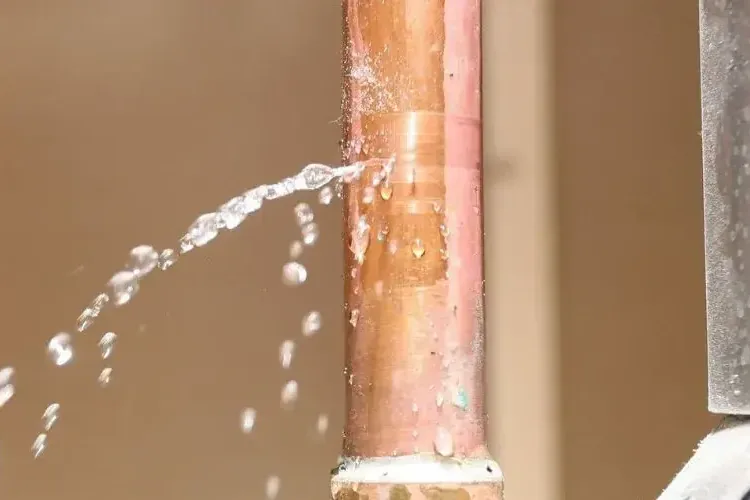
A bathtub overflow, supply fitting or appliance in the space above can send water through the ceiling below. The technician asks what fixtures were in use and checks the room above, the joist path and adjoining wall junctions. The source may need plumbing repair even when dripping has stopped.
Around Franklin Boulevard, Hamilton Street and JFK Boulevard, the practical question is who can authorize entry to each affected room. In a shared building, the property manager helps arrange that access. The inspection follows the actual ceiling structure instead of assuming the visible stain defines the whole loss.
- Identify the fixture or room directly above the damage.
- Report any water around lights or ceiling-mounted equipment.
- Check whether another occupant controls source-room access.
- Identify the upper source room and the lower receiving room on the same moisture record.
- Record overhead removal decisions before the damaged ceiling board leaves the property.
- Coordinate electrical fixture checks separately from the final drywall and painting scope.
A ceiling can hold water after dripping slows. Keep clear of unstable material and explain the room above so safe inspection reaches both sides of the loss.
(888) 471-9821Discuss safe ceiling accessOpening the ceiling without spreading damage
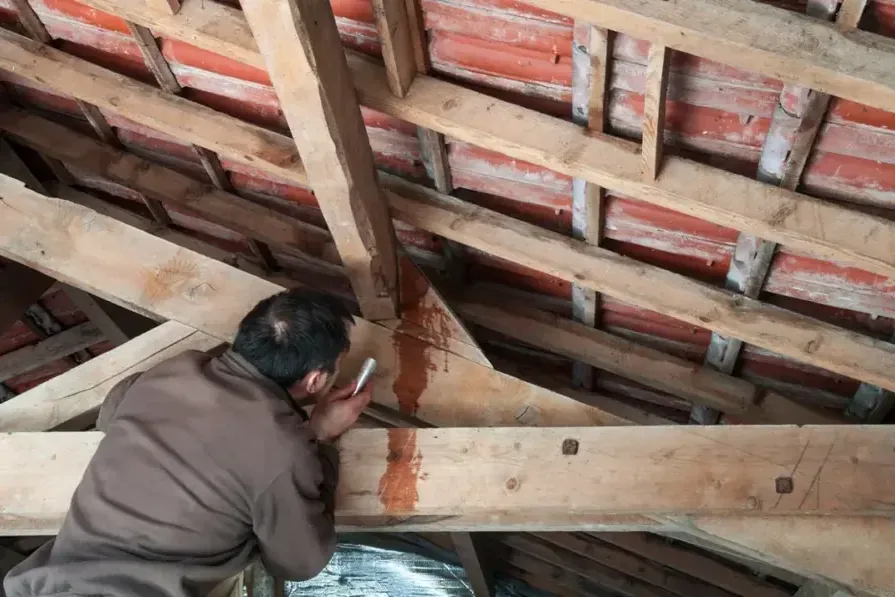
Wet drywall can lose strength, and insulation can retain water above it. The contractor documents the condition and explains any removal needed to reach the wet cavity. Controlled openings provide a drying route and allow readings on exposed framing without leaving unsupported material over an occupied area.
The cleanup crew protects the floor below and separates debris handling from dry living space. The drying team then uses equipment suited to the accessible cavity and room humidity. A fan pointed at painted drywall does not necessarily remove water held on the other side.
- Photograph damaged board and insulation before disposal.
- Include adjoining wall tops where water traveled sideways.
- Keep the work area clear until overhead material is stable.
Why patching waits for the moisture record
A repaired pipe and a dry ceiling surface are separate milestones. The technician records the remaining moisture in framing and nearby finishes after the source is corrected. If readings remain elevated, the contractor adjusts access or equipment before scheduling a patch.
The EPA moisture-control information explains concealed-water concerns. The Ready.gov household flooding information supports keeping clear of wet electrical hazards. The job-specific scope identifies what dries, what needs replacement and which repair trade handles closing work.
- Keep source-room photos with the downstairs loss record.
- Confirm final cavity checks before insulation returns.
- Separate cosmetic painting from completed structural drying.
Ceiling leak water damage in Somerset
Service covers Somerset ZIP 08873, including homes around Easton Avenue, Hamilton Street and Franklin Boulevard. The response team checks access, active water and affected rooms before planning equipment. Somerset is a community within Franklin Township.
Nearby service areas include New Brunswick, Piscataway, Somerville, Middlesex and South Plainfield.
A ceiling can hold water after dripping slows. Keep clear of unstable material and explain the room above so safe inspection reaches both sides of the loss. Call (888) 471-9821.
Related water damage services in Somerset

Ceiling Leak Water Damage questions in Somerset, NJ
Discuss the wet area
A ceiling can hold water after dripping slows. Keep clear of unstable material and explain the room above so safe inspection reaches both sides of the loss.
(888) 471-9821Discuss safe ceiling accessIs a small ceiling stain always a small loss?
Not necessarily. A stain shows where moisture reached the visible finish, while water may extend above it or along framing. The technician checks the source room and adjoining cavity. The size of the drying area comes from those findings rather than the painted mark alone.
Should the upper bathroom stay unused?
If it is the suspected source, pause use until the responsible professional identifies the problem. Continued discharge can refill a ceiling cavity. The manager should coordinate both spaces, and the plumber should confirm which fixtures can safely return to service while mitigation continues below.
Can wet insulation remain above the ceiling?
The contractor considers the insulation condition, contamination and whether it blocks drying access. Saturated or damaged insulation may need removal. The decision also accounts for the framing and wall tops around it. Replacement should follow the drying record for the remaining assembly.
Why does the ceiling need an opening after dripping stops?
Dripping can stop while trapped moisture remains. An opening may be needed to remove compromised material, inspect insulation or reach a wet cavity. The contractor should explain the reason before work begins and document the condition. Drying access and a plumbing repair hole are not always the same.
Can the room below stay in use?
Use depends on overhead stability, electrical safety and the work zone. Occupants must remain outside areas with sagging material or uncontrolled debris. The contractor explains any separation and access restrictions. A normal-looking part of the room should not require crossing beneath a hazardous ceiling.
What prevents the repaired ceiling from staining again?
Effective source repair and documented drying come before finishing. The technician checks concealed materials, and the repair trade confirms the leak correction. New stains or renewed moisture during monitoring need investigation. A stain-blocking paint product does not replace either source control or cavity drying.
Check the wet cavity before a ceiling patch
The team coordinates upper-room access, overhead safety and measured drying before the finish is restored.
(888) 471-9821Plan the ceiling assessment