Water Damage Restoration in Middlesex
A wet room needs more than a cleared floor. Restoration connects the source of the water, the materials it reached and the drying work needed before everyday use resumes.
(888) 471-9821Discuss the wet roomsCleanup planning begins with safe access, the affected surfaces and a clear account of what happened.
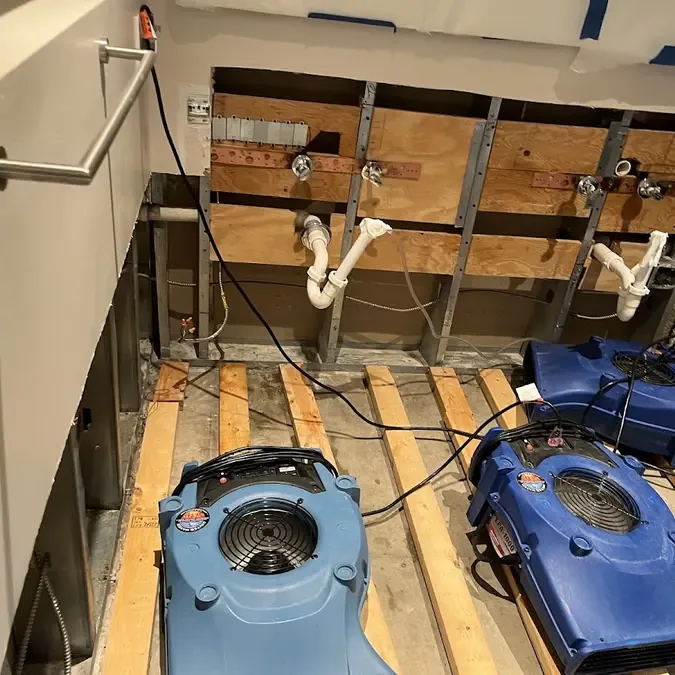
The water path shapes the work
A broken connection and outdoor flooding require different cleanup decisions. These services address the source, hidden spread and affected finishes of each kind of loss.

Water Extraction and Removal
Standing water removal opens access to wet floor edges, furniture bases and the materials that need closer moisture checks.
Water Extraction and Removal details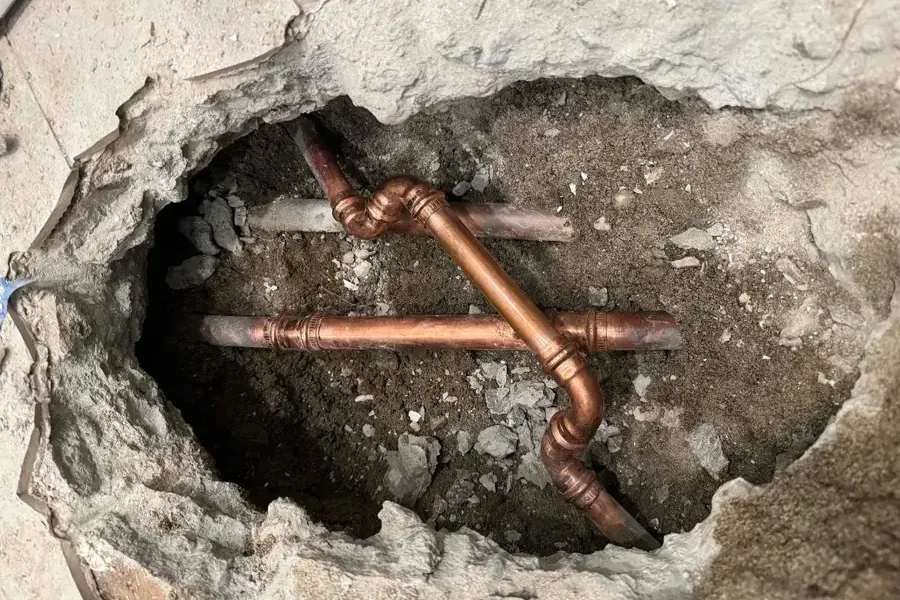
Slab Leak Water Damage
Damp flooring over concrete calls for a moisture map, repair access and an assessment of the layers above the slab.
Slab Leak Water Damage details
Sewage Backup Cleanup
A drain backup requires separation of affected rooms, careful material handling and cleaning before equipment circulates air through the space.
Sewage Backup Cleanup details
Burst Pipe Water Damage
A sudden supply failure can wet adjoining cavities. Assessment follows the release beyond the room where the pipe broke.
Burst Pipe Water Damage details
Storm and Flood Cleanup
Outdoor water brings sediment into a building. Cleanup planning includes safe entry, contents sorting and debris handling after the water recedes.
Storm and Flood Cleanup details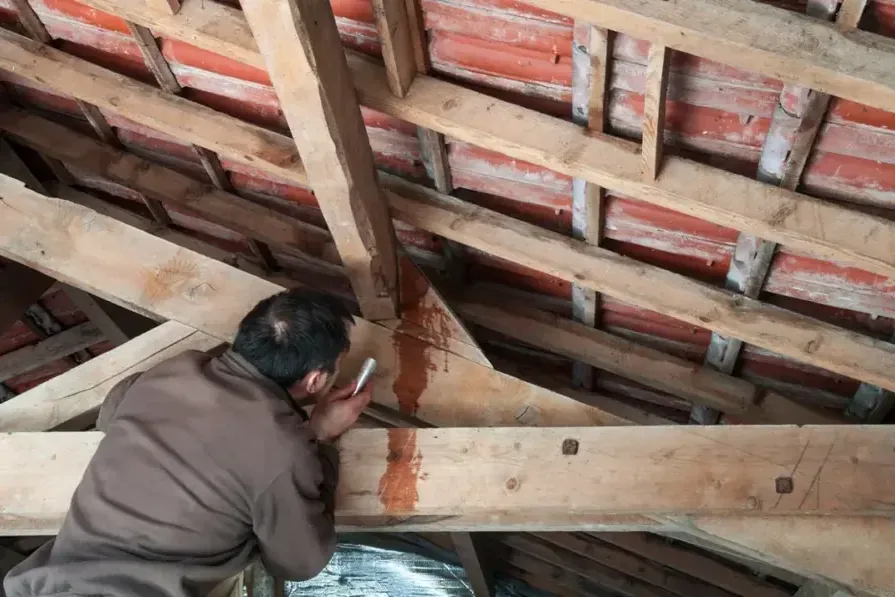
Roof Leak Water Damage
Rain entering overhead may travel along framing before becoming visible. Interior drying follows the roof repair and the moisture route.
Roof Leak Water Damage details
Ceiling Leak Water Damage
A ceiling stain needs investigation above the surface. Wet insulation, fixtures and damaged board affect how the room is opened.
Ceiling Leak Water Damage details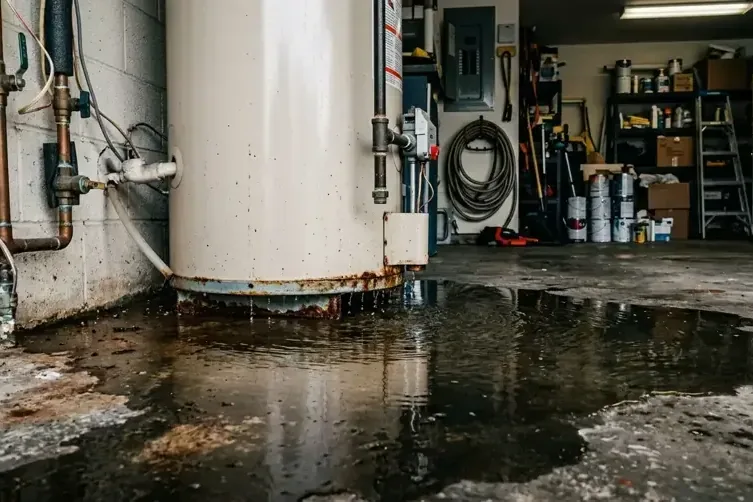
Water Heater Leak Cleanup
Water around a tank can reach closet walls and adjacent flooring. Equipment isolation and access shape the cleanup sequence.
Water Heater Leak Cleanup details
Appliance and Supply Hose Leaks
A leaking appliance can leave water beneath cabinets long after the visible puddle disappears. Inspection reaches behind the finished edges.
Appliance and Supply Hose Leaks details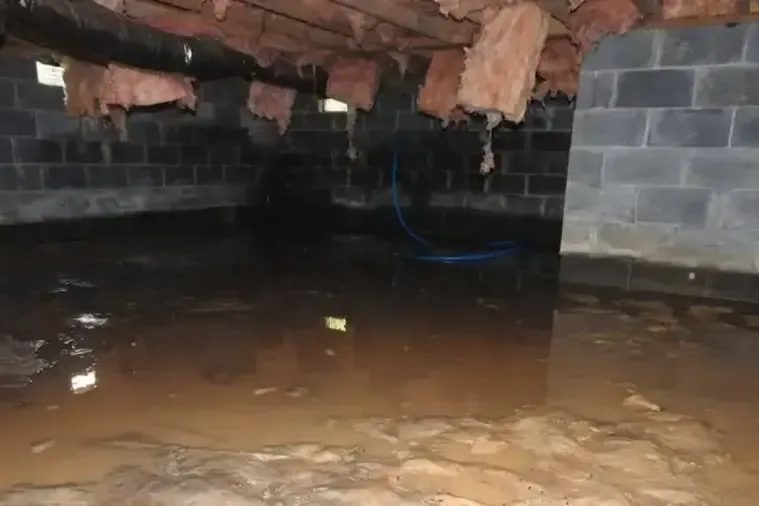
Crawl Space Water Removal
Underfloor water requires an access plan before removal. Low framing, insulation and the ground surface each need a separate assessment.
Crawl Space Water Removal details
Structural Drying and Dehumidification
Moisture readings track whether wet materials are progressing toward repair readiness. Air movement and dehumidification are adjusted to the assembly.
Structural Drying and Dehumidification details
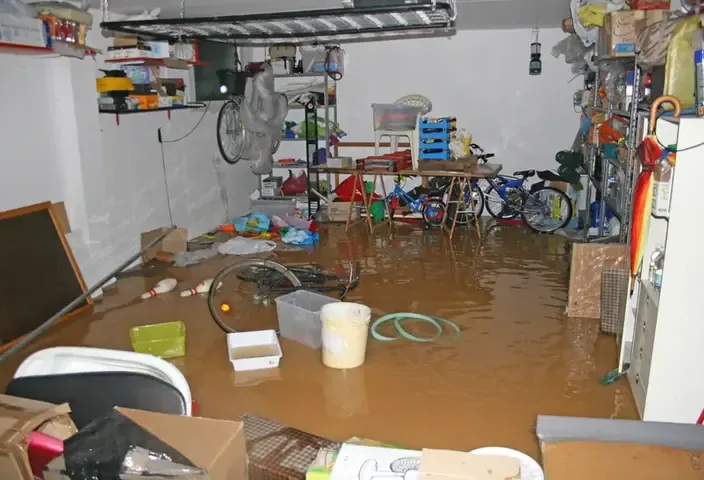
Basement Water Removal
Lower level cleanup considers electrical equipment, stored belongings and wall cavities as well as the water visible across the floor.
Basement Water Removal details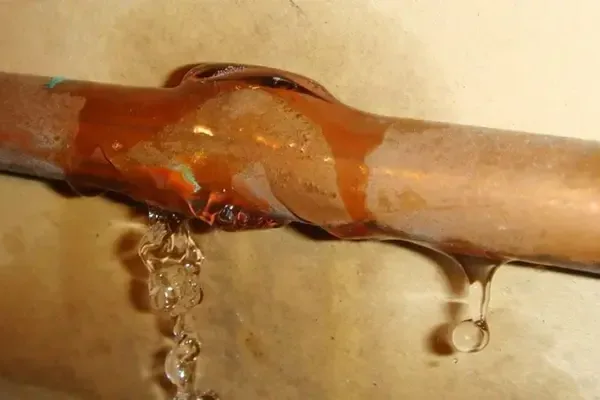
Frozen Pipe Water Damage
A thawing pipe can reveal a concealed split. Controlled water restoration helps identify additional wet areas before repairs close the opening.
Frozen Pipe Water Damage details
Hardwood Floor Water Damage
Wet boards need assessment through the floor assembly. Moisture differences, movement and attachment condition shape the decision to retain materials.
Hardwood Floor Water Damage details
Commercial Water Damage
A business loss needs organized work zones, protected records and a disposal plan that accounts for operational access and damaged finishes.
Commercial Water Damage detailsHelp for wet rooms nearby
Decisions tied to the actual damage
A useful restoration scope explains what stays, what needs opening and how the drying progress will be checked before finishing work begins.
Defined wet areas
Room boundaries and moisture readings create a practical map of the loss. That map helps distinguish affected materials from finishes that can remain undisturbed.
Clear material decisions
Swollen panels, contaminated porous items and intact framing need different treatment. The scope should explain each decision in terms of condition and access.
Recorded drying progress
Repeated measurements show how an assembly responds to equipment. A surface that feels dry still needs comparison with the material beneath or behind it.
Organized repair handoff
The final record should identify remaining repairs and the areas checked. Replacement flooring and paint belong after the moisture work reaches its documented endpoint.
How water damage restoration is handled
Establish the affected boundary
The inspection follows wet surfaces beyond the obvious puddle and identifies where adjoining rooms or concealed cavities need additional moisture measurements.
Expose what cannot dry
Selective removal provides access to trapped water and damaged layers. Sound materials remain candidates for drying when their condition and construction allow it.
Manage air and moisture
Equipment placement considers the room shape and exposed materials. Readings help determine when airflow needs adjustment or a concealed pocket needs attention.
Prepare the repair record
Completion notes collect the drying results, removed materials and remaining restoration needs so the next trade can plan replacement work around the actual condition.
Water removal and drying across different spaces
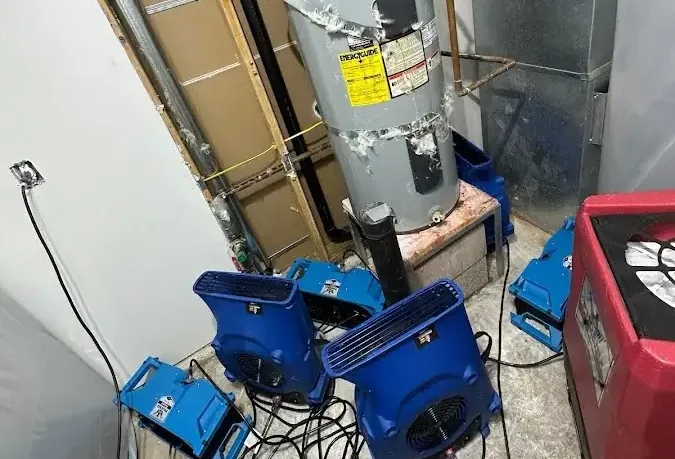
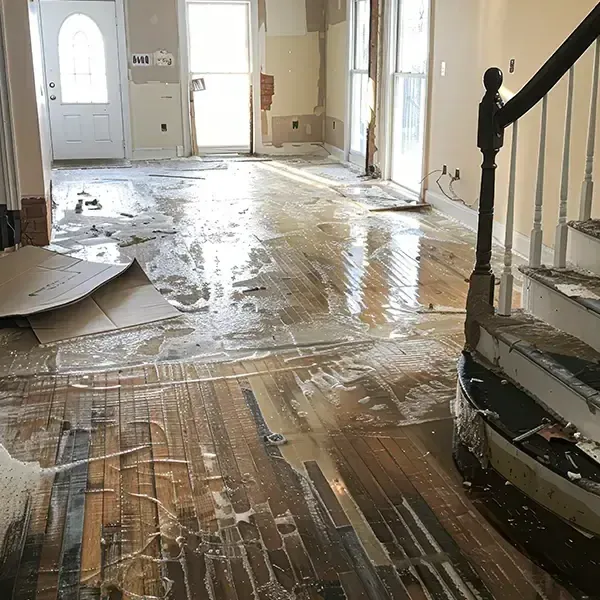
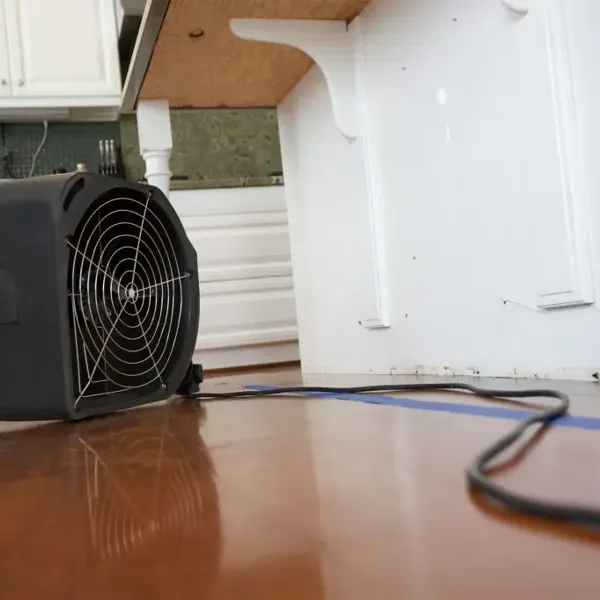
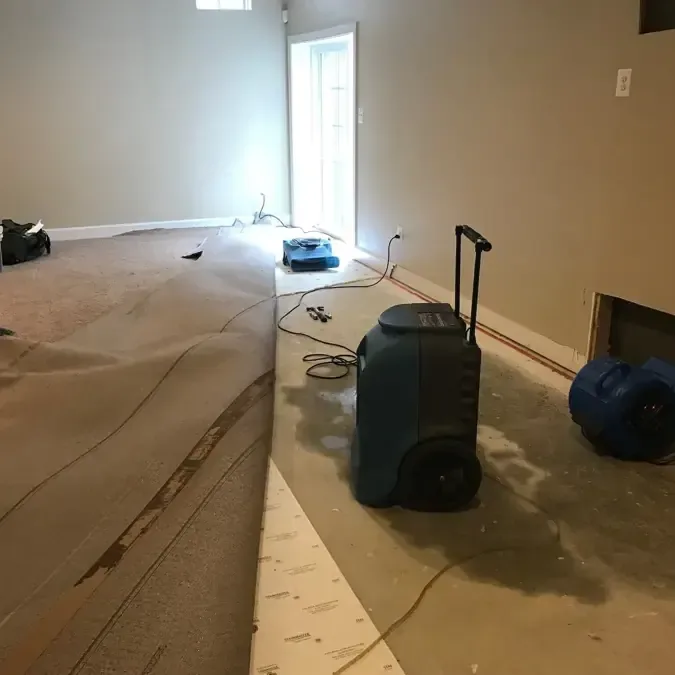
Middlesex homes and business interiors
Useful details for the initial conversation
A property description can include the nearest familiar landmark, the entry that remains dry and the level containing the water. Mountain View Park is a central borough landmark.
The affected room matters as much as the location. Details about stairs, a narrow utility closet or stored contents help establish practical access for water removal equipment.
Middlesex, NJ · [email protected]
(888) 471-9821Explain the access conditionsPlaces to describe the location
Borough ZIP code
Nearby service areas
What does Middlesex water cleanup cost?
Middlesex cleanup costs depend on the amount of accessible water, the condition of wet materials and the work needed to reach concealed moisture. These planning ranges organize possible scopes; the inspected rooms determine the written estimate.
Contained room loss
- Accessible floor extraction
- Limited finish removal
- Focused moisture checks
Several wet assemblies
- Connected rooms assessed
- Wall openings where needed
- Monitored equipment placement
Extensive interior recovery
- Multiple affected levels
- Contaminated materials handled separately
- Broader drying documentation
Repair labor, replacement finishes and source correction should be identified separately when applicable. A written scope makes changes easier to understand as concealed damage becomes accessible.
Drying follows the building materials
Water removal changes what can be seen; moisture assessment changes what can be repaired. The drying plan accounts for the surfaces, cavities and material layers reached by the release, with measurements recorded as work progresses.
Make the next action a safe one
Keep the doorway clear
Occupants should remain outside rooms with standing water near electrical equipment, a sagging ceiling or sewage. A dry access route helps assessment begin safely.
Stop a safe supply
An accessible water shutoff can limit an active plumbing release. A valve behind wet electrical equipment should be left for qualified help to reach.
Record the first signs
Photographs from a safe position can capture water height, affected belongings and the suspected source before cleanup changes the appearance of the room.
Separate dry belongings
Undamaged possessions can be moved along a clean route when access is safe. Wet boxes should not be carried through unaffected carpeted rooms.
Describe the affected levels
The initial description should include any room below the leak, closed cabinets and storage areas. Hidden spread can change the equipment and access plan.
Cleanup changes with what entered the room
Fresh supply release
A plumbing spill starts with source isolation and water extraction. Time, contact with building materials and movement into concealed spaces affect the cleanup scope.
Remove standing waterAppliance discharge
Water from an appliance may contain residues from the cycle or surrounding surfaces. The inspection considers those contacts alongside the wet cabinets and flooring.
Inspect appliance spreadDrain contamination
Sewage needs controlled access and careful disposal of affected porous materials. Cleaning exposed surfaces comes before ordinary drying and the return of belongings.
Separate contaminated roomsDocument the loss as it changes
A clear record supports conversations about the loss. Photographs, item descriptions and cleanup notes should remain together as damaged rooms move from water removal toward repair.
- Photographs of the initial water spread
- A dated description of the suspected source
- Separate notes for damaged personal belongings
- Copies of cleanup estimates and invoices
- Moisture records from the affected materials
When paying directly
A direct payment scope should distinguish urgent stabilization from later replacement work. The estimate can identify materials to remove and the equipment needed for drying.
Questions about added work are easier to resolve when the original wet areas are documented. Any newly exposed damage should be described before the scope changes.
Plan before you call
Local water concerns and practical preparation
Middlesex has a documented flood recovery history and borough responsibilities for public drainage. Household planning also needs to address plumbing failures and water trapped inside finished rooms.
September 2021: Remnants of Hurricane Ida caused flood damage in the borough, followed by emergency flood debris pickups and homeowner repair information during the recovery.
Public drainage
The Department of Public Works maintains borough storm drains. A blocked inlet and water inside a house require separate reporting and interior cleanup decisions.
Sanitary sewer problems
Borough sanitary sewers are also a Department of Public Works responsibility. Indoor backup cleanup still needs an assessment of the contaminated surfaces and belongings.
Leaves near drainage
Borough rules prohibit raking or blowing leaves into the roadway or to the curb. Yard cleanup should keep those materials out of street drainage paths.
Construction debris
Bulk pickup excludes construction materials. Damaged wallboard and removed flooring need a disposal arrangement built into the restoration scope before demolition begins in wet rooms.
Recognizable locations
Victor Crowell Park is known as Duck Pond, and Lincoln Park occupies a former railroad station site. Familiar landmarks help describe property access during scheduling.
Questions before restoration begins
Water spreading between rooms?
Details about the source and wet levels help establish the first assessment and a practical plan for equipment access.
(888) 471-9821Discuss the affected levelsWhat information is useful during the first conversation?
The property location, visible water source and affected rooms provide a starting point. Details about electrical equipment, sewage, wet ceilings and access restrictions matter too. Photographs can support that description when they can be taken from a safe, dry position.
Does an empty floor mean the cleanup is complete?
An exposed floor can look clear while moisture remains beneath its finish or behind the baseboards. Assessment follows those hidden layers. Drying equipment and selective access may still be needed after extraction removes the water that was visible across the room.
Who maintains the borough storm drains?
The Middlesex Department of Public Works is responsible for borough storm drains. Indoor restoration addresses the water and damaged materials on the property. Describing the public drainage problem separately from the interior damage helps keep the reporting and cleanup tasks organized.
Can damaged wallboard go into ordinary bulk pickup?
The borough excludes construction materials from bulk pickup. Removed wallboard, flooring and similar debris need another disposal arrangement. The cleanup scope should identify that handling before material removal begins, especially when there is limited dry space for temporary staging.
How are belongings handled after outdoor flooding?
Items are sorted by their condition, material and contact with the incoming water. Photographs should capture damage before disposal where safe. Porous belongings and washable hard surfaces can require different decisions, so wet contents should stay separate from unaffected storage.
Should repainting start once a ceiling stain fades?
A ceiling needs moisture checks above the board as well as attention to the visible stain. Insulation can remain wet inside the cavity. Source correction, material assessment and documented drying should come before replacement finishes or paint cover the affected overhead assembly.
Is a historic flood program still the disposal process?
The September 2021 emergency pickups belonged to the Ida recovery response. Cleanup planned today needs a disposal arrangement suited to the present work. The material list should distinguish ordinary household contents, construction debris and business waste before collection is arranged.
What changes the amount of drying equipment needed?
The exposed wet area, room arrangement and type of material all matter. A cavity with restricted airflow presents a different problem from an open floor. Measurements taken during drying help determine whether equipment placement is working or needs adjustment as conditions change.
Can a room stay in use during the work?
Access depends on the hazards, equipment placement and extent of material removal. An unaffected room may remain separate from the work area, while a contaminated or electrically unsafe space needs restricted entry. The access plan should be explained before equipment and hoses are installed.
Start with the rooms that are wet
A clear description of the water and affected materials sets the cleanup assessment on a useful path.
(888) 471-9821Arrange a damage assessment