New Brunswick Ceiling Leak Water Damage
A dripping ceiling separates the visible room from the hidden source above it. New Brunswick ceiling restoration coordinates access on both sides while addressing unstable finishes, wet cavities and damage below.
(888) 471-9821Discuss water above the room
How the team handles ceiling leak water damage
Rapid local response
The response team treats active water as urgent and asks about the source, electrical hazards and occupied rooms. Dispatch planning starts with safe access and a clear description of the loss.
IICRC S500 drying standard
The drying team sets a moisture goal for each material, then balances extraction, airflow and dehumidification. Daily readings show where equipment needs adjustment and when drying can finish.
Claim-ready documentation
The restoration contractor records the water source, affected materials and work sequence. Photographs and moisture records explain the scope to the property owner and insurer without promising a coverage decision.
Local water experts
The mitigation team checks the actual building and follows water beyond the visible puddle. Adjoining rooms, floor edges and concealed cavities receive attention before finishes close over the structure.
First steps for ceiling leak water damage
Leave the sagging area unused
A distorted ceiling may release water and debris unexpectedly. People should move away from the space beneath it and keep others from entering until it is assessed.
Avoid wet electrical fixtures
Residents should not operate lights or touch fittings affected by dripping water. An electrical professional may need to establish safe conditions before cleanup equipment enters the room.
Notify the building contact
In apartments or shared properties, management can coordinate access above and below the damage. Describing the room and level helps connect the source investigation with the visible loss.
Document changes without disturbing finishes
Photos from outside the affected area can show stain growth or dripping. Pressing on wet wallboard or making a hole can release material and complicate safe handling.
The ceiling can show a leak long after water has entered the space above it. A stain may spread across the finish while a cavity holds additional moisture. If the surface sags or a light fixture becomes wet, the room needs an immediate access boundary. Residents should not press, puncture or stand beneath the affected section.
What does ceiling leak water damage cost in New Brunswick, NJ?
New Brunswick ceiling restoration pricing depends on overhead material condition, cavity access and damage to walls or floors below. A stable localized area differs from multiple connected rooms. Source repair, electrical work and final ceiling replacement should be distinguished from the restoration scope.
Localized ceiling
- Small affected section
- Accessible moisture assessment
- Limited drying work
Ceiling and walls
- Connected cavity checks
- More finish handling
- Wider retained moisture
Multiple rooms
- Coordinated property access
- Expanded damaged surfaces
- Broader drying setup
Typical ranges depend on water category, wet area, access and material layers. The inspection defines the scope. Compare inputs with the water damage cost calculator.
The ceiling leak water damage process
Establish overhead safety and access
The room is assessed for sagging finishes and wet electrical components. Access above the ceiling is arranged where needed to connect source investigation with restoration.
Open and assess damaged materials
Controlled access reveals the condition of wallboard, insulation and framing. Decisions account for saturation, contamination and structural condition, with removed materials documented before the remaining assembly receives a drying arrangement.
Manage cavity and room moisture
Equipment placement considers both the overhead assembly and surfaces below that received drips. Repeat readings help distinguish a dry painted face from concealed material that still needs additional access or drying time.
Explain the ceiling repair boundary
The handoff describes the area opened, retained material condition and source correction status. Remaining electrical or construction tasks are identified so replacement wallboard does not conceal unfinished restoration or an unresolved leak.
Arrange access on both sides of the ceiling
High rise residential buildings cluster around New Brunswick station. In such a building, a ceiling loss may require a manager to coordinate inspection above and below the visible damage. The source unit, shared service space and receiving room can each hold part of the water path. A connected assessment helps avoid treating only the lowest visible stain.
George Street and Albany Street are downtown corridors that can help identify the property area. The important details for the work plan are the affected level, available entrance and permission to inspect connected spaces. A resident should report those details without entering another unit or an unsafe service room to investigate.
A ceiling leak can involve rooms on different levels. Share the stain location, any sagging and access to the space above so inspection can connect the affected areas.
(888) 471-9821Assess the overhead water damageFind the source before closing the cavity
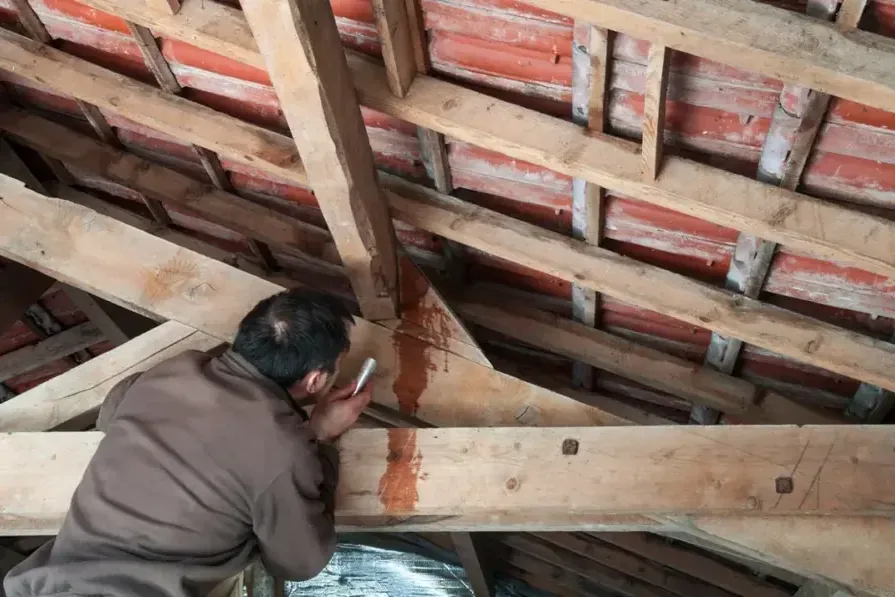
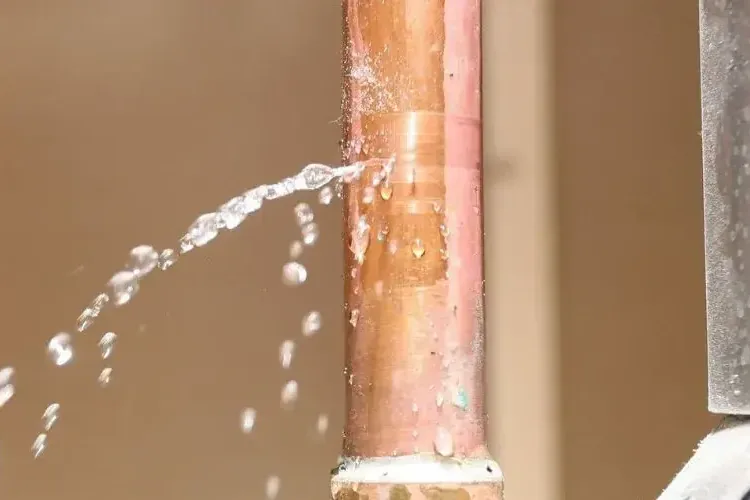
Plumbing, a fixture overflow or rain entry can wet a ceiling. The inspection needs to determine which source requires correction and where its water traveled. A plumbing or roofing professional handles the relevant component while restoration evaluates the wet assembly. The same ceiling opening may support both tasks, so its closure should be coordinated.
- Record when staining changed and whether dripping is still active.
- Keep furniture and occupants away from visibly sagging overhead material.
- Check walls below the stain for water following the cavity edge.
Electrical fittings deserve separate attention. A wet ceiling fixture requires electrical attention even when other fittings in the room appear dry and undamaged. Qualified electrical assessment may be needed before the affected space or equipment can be used. Residents should avoid touching wet fixtures or operating them to test whether they still work.
Assess more than the painted surface
Wallboard can lose strength when saturated, and insulation above it can retain moisture after the room air feels dry. Controlled removal may be necessary to reach the damaged assembly. Retained framing needs a suitable drying approach and repeated checks before replacement materials enclose it again.
Drips can also wet carpet, wood flooring and belongings below. The water extraction assessment can address that secondary footprint where needed. A useful completion record connects source correction, overhead material handling and the condition of the lower room, giving the repair contractor a clear starting point for rebuilding the ceiling.
Ceiling leak water damage in New Brunswick
Ceiling loss planning in New Brunswick includes the room below and any source space above. Property managers can arrange access permissions, identify affected fixtures and explain restrictions before overhead inspection and material handling are scheduled.
The same service nearby: ceiling leak water damage in Somerset, Piscataway, South Plainfield.
Water damage restoration in New Brunswick · every town covered
A ceiling leak can involve rooms on different levels. Share the stain location, any sagging and access to the space above so inspection can connect the affected areas. Call (888) 471-9821.
Related water damage services in New Brunswick

Ceiling Leak Water Damage questions in New Brunswick, NJ
Discuss the wet area
A ceiling leak can involve rooms on different levels. Share the stain location, any sagging and access to the space above so inspection can connect the affected areas.
(888) 471-9821Assess the overhead water damageIs a small ceiling stain safe to ignore?
A small visible mark may represent water traveling through a larger concealed area. Its size alone does not identify the source or the condition above it. Prompt reporting and assessment help determine whether the stain is old, actively changing or associated with wet materials that require attention.
What should happen if the ceiling starts bulging?
The area beneath the bulge should be kept clear. Residents should not puncture it or position themselves underneath to move furniture. Saturated finishes can release suddenly, and electrical components may be involved. A controlled assessment determines how water and damaged material can be handled safely.
Does the upstairs resident need to be involved?
If the suspected source or water path is above the affected room, access may be needed there. Management should arrange permissions and communication in a shared building. Inspecting connected spaces helps distinguish source repair from damage below and prevents a partial assessment centered only on the visible stain.
Can drying occur through an intact painted ceiling?
Some assemblies restrict moisture escape, and surface airflow may not reach wet insulation or framing. Inspection and readings determine whether an intact finish can remain. Selective openings may be necessary to assess hidden materials and create an effective drying route before the ceiling is permanently repaired.
Why check the floor beneath a ceiling leak?
Dripping water can soak flooring and contents even when the main concern is overhead. Moisture may collect under furniture or enter seams before it becomes obvious. Checking the lower room creates a complete damage map and helps identify extraction or floor drying needs alongside the ceiling work.
Who decides when new wallboard can be installed?
The repair sequence should account for source correction, moisture findings and the condition of retained framing. The restoration handoff supplies those findings, while the repair contractor addresses installation requirements. Closing the cavity should follow that coordination so unresolved wet material is not hidden behind the new finish.
Make the ceiling repair a connected decision
Source correction and moisture assessment should come together before the opening is closed and the occupied room receives replacement finishes.
(888) 471-9821Arrange an overhead moisture assessment