New Brunswick Water Heater Leak Cleanup
Water around a heater can spread beneath a closet wall before reaching the open floor. New Brunswick tank leak cleanup follows those concealed edges while qualified appliance service addresses the source and its energy connections.
(888) 471-9821Discuss water around the heater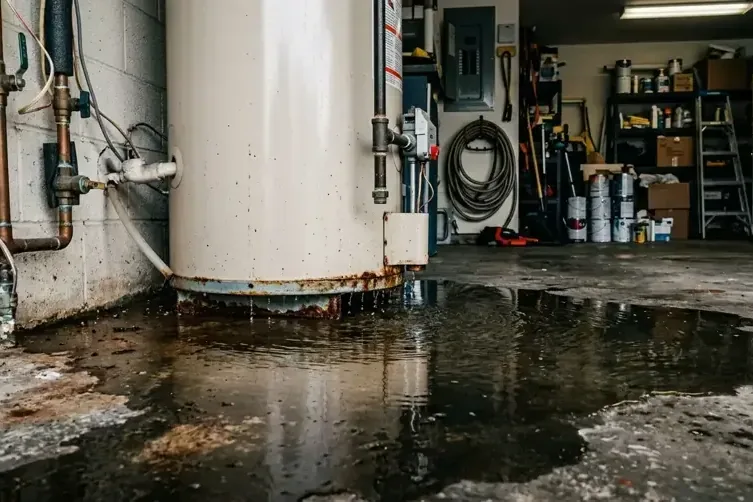
How the team handles water heater leak cleanup
Rapid local response
The response team treats active water as urgent and asks about the source, electrical hazards and occupied rooms. Dispatch planning starts with safe access and a clear description of the loss.
IICRC S500 drying standard
The drying team sets a moisture goal for each material, then balances extraction, airflow and dehumidification. Daily readings show where equipment needs adjustment and when drying can finish.
Claim-ready documentation
The restoration contractor records the water source, affected materials and work sequence. Photographs and moisture records explain the scope to the property owner and insurer without promising a coverage decision.
Local water experts
The mitigation team checks the actual building and follows water beyond the visible puddle. Adjoining rooms, floor edges and concealed cavities receive attention before finishes close over the structure.
First steps for water heater leak cleanup
Stay clear of appliance hazards
Residents should avoid wet electrical controls and hot leaking tanks. Qualified appliance service determines safe isolation while the affected area remains clear of occupants during assessment.
Report where water has appeared
The report should identify the tank location and any damp adjoining room. Visible water beyond the enclosure can help the assessment follow concealed spread through floor and wall edges.
Coordinate removal before replacement
The replacement professional should know that surrounding materials may need inspection and drying. A shared access plan helps prevent new equipment from blocking wet surfaces that still require attention.
Keep stored belongings separated
Stored boxes may have absorbed water beside the heater. Their condition should be assessed before moving them onto dry flooring, especially when their bases remain saturated.
A leaking heater can leave a deceptively small puddle beside a much wetter wall base. Water may escape beneath the appliance, follow a floor joint or cross into an adjoining room. Cleanup needs to establish that footprint while a qualified professional handles the tank and its connections. Hot water and electrical or fuel related hazards make improvised appliance handling inappropriate.
What does water heater leak cleanup cost in New Brunswick, NJ?
New Brunswick heater leak cleanup costs depend on the escaped water footprint and access around the appliance. A clear floor is simpler than wet walls behind a confined tank. Heater repair or replacement and later finish work should be separated from restoration pricing.
Accessible spill
- Open tank surroundings
- Localized water removal
- Limited surface drying
Closet and finishes
- Restricted material access
- Wet partition edges
- Additional finish handling
Spread into rooms
- Connected flooring damage
- Broader moisture mapping
- Coordinated replacement access
Typical ranges depend on water category, wet area, access and material layers. The inspection defines the scope. Compare inputs with the water damage cost calculator.
The water heater leak cleanup process
Coordinate safe tank service
The escaped water footprint is recorded while qualified appliance service addresses the heater. Hazards and access restrictions determine where restoration equipment can operate around the tank and its connections.
Trace moisture beyond the enclosure
Readings follow nearby partitions, thresholds and flooring seams. The inspection expands into adjoining rooms where water passed beneath a wall or escaped beyond the visible tank surroundings.
Dry around replacement access
Extraction and selective material handling expose retained wet surfaces. Equipment placement accounts for appliance removal and installation so the replacement does not obstruct areas that still need inspection.
Record the surrounding material condition
Final checks cover the tank location and connected wet areas. Drying findings and remaining finish repairs are explained separately from the appliance service record, giving the owner a complete handoff.
Separate tank service from the water footprint
The appliance professional determines the source of the release and the safe way to isolate or remove the heater. Restoration focuses on water already outside it. Replacing the tank can improve access to damp surfaces, but the sequence should preserve room for inspection and drying before a new appliance obstructs the area again.
Fifth Ward, Raritan Gardens and Feaster Park are city neighborhoods where a property contact can identify the service location. At the building, the heater's actual placement controls access. A utility closet, open room or raised platform creates different inspection points without changing the need to check the surrounding assembly.
Water near a heater can reach behind the enclosure before the puddle is noticed. Describe the tank location, adjacent wet rooms and planned appliance service when discussing cleanup.
(888) 471-9821Assess the tank area moistureLook beyond the visible ring of water
Walls near the heater may absorb water at their base. Floor coverings can hide moisture underneath even after the exposed surface is wiped. The inspection should follow the closest partitions and doorway thresholds, then expand when readings indicate that water reached another room. That approach ties the drying boundary to the observed loss.
- Note damp trim on the opposite side of the tank enclosure.
- Keep appliance removal routes clear of contents and loose floor coverings.
- Record wet stored items before they move into an unaffected room.
A drain pan or nearby floor drain may limit some spread, but surrounding materials still need assessment when water escaped. Cleanup should not assume that the presence of a drain means every wet surface emptied successfully. Corners, joints and absorbent finishes can retain water after the floor looks clear.
Dry before the replacement blocks access
New Brunswick property owners can coordinate the heater replacement with material decisions around the old tank. Swollen trim or wet wallboard may need removal, while sound accessible materials can be considered for drying. The work plan should explain how the new appliance and restoration equipment will share the available space.
Structural drying may continue after hot water service returns. The completion record should describe the tank area and any adjoining room separately, including retained moisture findings and remaining finish repairs. This keeps a functioning replacement heater from becoming the only measure of whether the water damage has been resolved.
Water heater leak cleanup in New Brunswick
Heater leak restoration in New Brunswick considers appliance access and the surrounding rooms. Property contacts can describe the enclosure, visible floor spread and replacement arrangements so moisture assessment fits the actual space and planned service work.
The same service nearby: water heater leak cleanup in Somerset, Piscataway, South Plainfield.
Water damage restoration in New Brunswick · every town covered
Water near a heater can reach behind the enclosure before the puddle is noticed. Describe the tank location, adjacent wet rooms and planned appliance service when discussing cleanup. Call (888) 471-9821.
Related water damage services in New Brunswick



Water Heater Leak Cleanup questions in New Brunswick, NJ
Discuss the wet area
Water near a heater can reach behind the enclosure before the puddle is noticed. Describe the tank location, adjacent wet rooms and planned appliance service when discussing cleanup.
(888) 471-9821Assess the tank area moistureDoes a new heater solve all damage from the old tank?
Replacement addresses the appliance, but escaped water can remain in floor layers, trim and nearby walls. Those materials need their own assessment. Coordinating replacement with restoration helps preserve access and keeps a functioning new tank from hiding damp surfaces that were affected by the original release.
Should the tank be drained by the resident?
Handling a leaking heater involves hot water and appliance connections that may present electrical or fuel related hazards. A qualified service professional should determine the isolation and draining approach. Residents can keep the area clear and report where water has spread without manipulating unfamiliar controls or connections.
Why inspect the room beside the heater closet?
Water can pass beneath the partition before it becomes visible outside the closet. Damp trim, flooring seams and readings on the other side help establish whether that happened. The inspection should follow the connected assembly rather than ending at the closet door or the edge of the puddle.
Can a drain pan eliminate the need for drying?
A pan can collect water only within its arrangement and condition. If water escaped onto surrounding materials, those surfaces still require assessment. The restoration decision depends on where the water actually traveled and what absorbed it, including floor joints or wall bases beyond the appliance footprint.
What if the heater is still needed during restoration?
The appliance professional determines whether continued operation is appropriate. Restoration planning can then account for safe access, replacement timing and equipment placement. Occupants should not restart a wet or damaged appliance simply to restore hot water while the source and energy connections remain under assessment.
Which documents help explain the heater loss?
The appliance service findings, photographs of the escaped water and restoration moisture records describe different parts of the event. An itemized scope should identify water removal, material handling and drying separately from tank replacement. Those details help the owner understand remaining repairs and any claim discussion.
Give replacement and restoration a shared sequence
Checking nearby walls and flooring before access closes helps address the building damage alongside the repair or replacement of the leaking appliance.
(888) 471-9821Arrange cleanup around the heater