New Brunswick Frozen Pipe Water Damage
A pipe may begin releasing water as a frozen section thaws. New Brunswick cleanup follows that release through concealed cavities, connecting safe plumbing isolation with moisture assessment before walls or flooring are repaired.
(888) 471-9821Discuss water released during thawing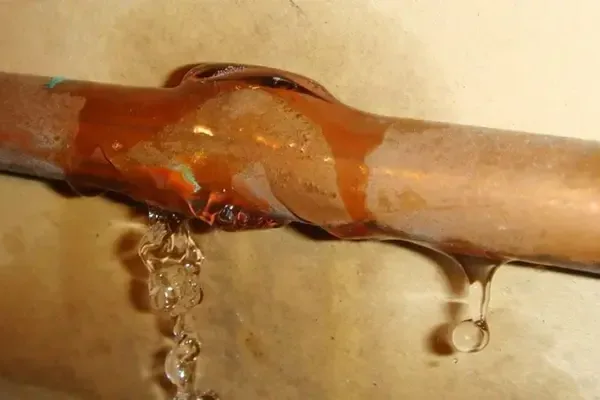
How the team handles frozen pipe water damage
Rapid local response
The response team treats active water as urgent and asks about the source, electrical hazards and occupied rooms. Dispatch planning starts with safe access and a clear description of the loss.
IICRC S500 drying standard
The drying team sets a moisture goal for each material, then balances extraction, airflow and dehumidification. Daily readings show where equipment needs adjustment and when drying can finish.
Claim-ready documentation
The restoration contractor records the water source, affected materials and work sequence. Photographs and moisture records explain the scope to the property owner and insurer without promising a coverage decision.
Local water experts
The mitigation team checks the actual building and follows water beyond the visible puddle. Adjoining rooms, floor edges and concealed cavities receive attention before finishes close over the structure.
First steps for frozen pipe water damage
Avoid open flame thawing
Residents should never use flames or uncontrolled heat on frozen plumbing. Qualified assessment determines an appropriate approach without exposing concealed materials to additional hazards.
Use only a safely reachable valve
A known shutoff may limit a release if it is accessible from dry ground. Occupants should not cross standing water or approach wet electricity to reach the supply control.
Watch for newly visible water
Thawing can reveal dripping in another room or below the pipe. Prompt reports from safe areas help the assessment follow the changing water footprint.
Keep repair access coordinated
Plumbing work and restoration may need the same opening. The owner should arrange communication between trades before a repaired cavity is closed over materials that have not yet been assessed.
A frozen pipe problem can change as the building warms. A split that released little water at first may leak after ice clears the pipe. The property needs plumbing assessment and attention to newly wet surfaces during that change. Residents should avoid improvised heating and remain clear of water near electrical equipment or unstable overhead finishes.
What does frozen pipe water damage cost in New Brunswick, NJ?
Frozen pipe restoration costs in New Brunswick reflect the water released during thawing and the assemblies it reached. Concealed wet insulation or spread between floors can expand drying needs. Plumbing repair, insulation changes and final rebuilding should be distinguished from the restoration estimate.
Contained thaw leak
- Localized water release
- Accessible wet surfaces
- Initial cavity checks
Cavity and room damage
- Wet concealed materials
- Connected floor assessment
- Additional access decisions
Extended concealed loss
- Several affected spaces
- Broader material removal
- Complex drying coordination
Typical ranges depend on water category, wet area, access and material layers. The inspection defines the scope. Compare inputs with the water damage cost calculator.
The frozen pipe water damage process
Connect thawing and leak observations
The pipe location and changes during thawing are recorded together. Plumbing findings help inspection follow water released before and after the damaged section became visible.
Locate wet concealed materials
Extraction addresses open water while surrounding cavities receive moisture checks. Useful access points reveal damp insulation and framing that may extend beyond the opening made for plumbing repair.
Track drying through changing conditions
Equipment supports retained materials as the building returns to normal conditions. Repeat readings evaluate progress and help identify renewed wetting that needs attention alongside the original pipe repair.
Prepare the cavity for repair
The handoff connects source correction with material conditions and remaining finish work. Any wet insulation or damaged surfaces receive a clear decision before the repaired plumbing is enclosed.
Coordinate thawing with source control
New Brunswick has moderately cold winters. Plumbing in a cold location deserves attention when flow changes or a leak appears, but safe investigation depends on the actual installation. A qualified plumbing professional can assess the affected section and determine the repair approach. Open flames or uncontrolled heating should never be used to thaw concealed plumbing.
Fifth Ward, Lincoln Park and Raritan Gardens identify city neighborhoods for arranging a property visit. At the home, the relevant details are the pipe location, affected room and any water appearing as conditions change. Inspection should use those observations rather than assume a particular pipe material or wall arrangement from the neighborhood.
Thawing can reveal water beyond the original pipe location. Describe the affected section, any changing drips and rooms below so the cleanup assessment can follow the release through the building.
(888) 471-9821Assess the thaw related damageFollow water beyond the thawed section
A pipe inside a wall can release water onto framing and insulation before it reaches the room. Stains may appear below or beside the source, and a lower floor can receive water through openings in the assembly. Moisture checks should trace that route and establish which connected surfaces need access.
- Record where dripping begins as plumbing conditions return toward normal.
- Keep source repair openings available for moisture assessment when practical.
- Report new staining below the affected pipe location without disturbing finishes.
Once the leak is controlled, extraction addresses accessible water. Material decisions then consider saturation, contamination and physical condition. A small repaired pipe section can still correspond to a larger wet cavity, so the restoration boundary should not end automatically at the plumber's access opening.
Manage drying through changing indoor conditions
Cold materials and changing room conditions can affect moisture removal. Drying equipment should be selected for the wet assembly and monitored through repeat readings. Insulation, wall edges and layered flooring need material checks before repairs, even after the thermostat returns the room to a comfortable temperature.
The burst pipe cleanup process also addresses spray and runoff after a supply failure. For a thaw related loss, the handoff should additionally connect the plumbing findings with any later wetting observed during the return to normal conditions. That record helps the owner coordinate cavity closure, finish replacement and practical attention to the affected plumbing location.
Frozen pipe water damage in New Brunswick
Frozen pipe cleanup in New Brunswick considers the source location and water appearing as conditions change. Property contacts can identify affected rooms and plumbing repair access so the restoration scope follows concealed spread through the actual building.
The same service nearby: frozen pipe water damage in Somerset, Piscataway, South Plainfield.
Water damage restoration in New Brunswick · every town covered
Thawing can reveal water beyond the original pipe location. Describe the affected section, any changing drips and rooms below so the cleanup assessment can follow the release through the building. Call (888) 471-9821.
Related water damage services in New Brunswick


Frozen Pipe Water Damage questions in New Brunswick, NJ
Discuss the wet area
Thawing can reveal water beyond the original pipe location. Describe the affected section, any changing drips and rooms below so the cleanup assessment can follow the release through the building.
(888) 471-9821Assess the thaw related damageWhy can a leak get worse when a frozen pipe thaws?
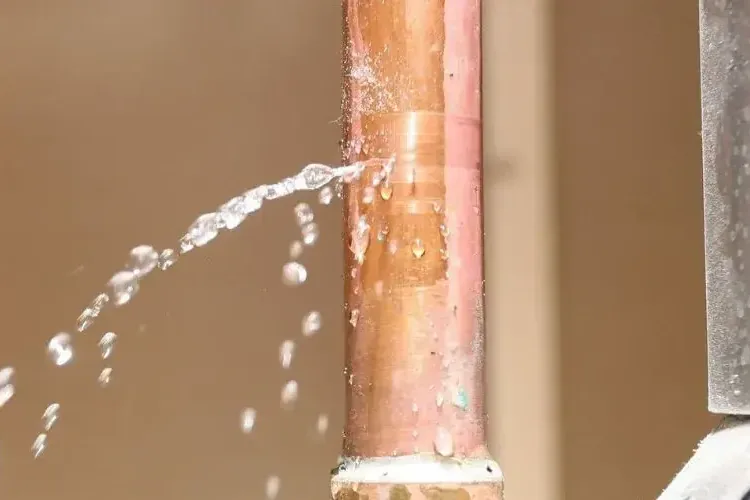
Ice can temporarily restrict water passing through a damaged section. As it clears, a split may release more water into the surrounding space. That is why supply control, plumbing assessment and observation of nearby rooms need to stay connected while the affected pipe returns to normal conditions.
Can a hair dryer or heater be used inside a wet cavity?
Electrical heating equipment near water or concealed building materials can create hazards. Residents should avoid improvised thawing and let a qualified professional assess the pipe location and safe approach. The surrounding assembly may also need restoration access, so heating and repair decisions should not be made blindly.
Does restoring normal water flow mean the pipe is intact?
A damaged pipe can still carry water while leaking into the surrounding cavity or room. The plumbing assessment should consider the suspected freeze location and any signs of leakage. Restoration then follows water already released, including dampness appearing in connected rooms as conditions change during thawing.
Why might the wall below the pipe need inspection?
Water follows gravity and can travel along framing before emerging lower in the building. A dry looking surface beside the repaired pipe may coexist with a wet wall base or ceiling below. Readings across those connected areas help define the actual footprint and appropriate drying access.
Will warmer indoor air dry all affected materials?
Heating changes room conditions but may not remove moisture trapped behind finishes or inside insulation. A drying plan needs suitable airflow, humidity management and access to wet materials. Repeated readings show whether the assembly is responding rather than assuming that a warmer room means the hidden damage is resolved.
What should be reviewed before closing the plumbing opening?
The source repair, condition of surrounding materials and drying findings should be coordinated first. Any wet insulation or damaged finish needs a clear decision. The handoff should identify remaining repairs so the opening is not closed simply because the plumbing component has been replaced and water flow restored.
Connect pipe repair with concealed moisture checks
An organized assessment helps identify wet cavity materials that need drying or removal before the repaired plumbing disappears behind replacement finishes.
(888) 471-9821Arrange cleanup after the thaw leak