Piscataway Water Damage Restoration
A spreading puddle needs a practical response. Restoration in Piscataway begins with safe access, identifying the water source and checking the floors, walls and belongings along its path.
(888) 471-9821Discuss the wet roomsDescribe the affected rooms and any active leak before anyone enters an unsafe wet area.
Different water problems need different first moves
A failed hose, river overflow and a dripping ceiling leave different cleanup tasks. Select the damage involved for details about access, materials and drying.

Water Extraction and Removal
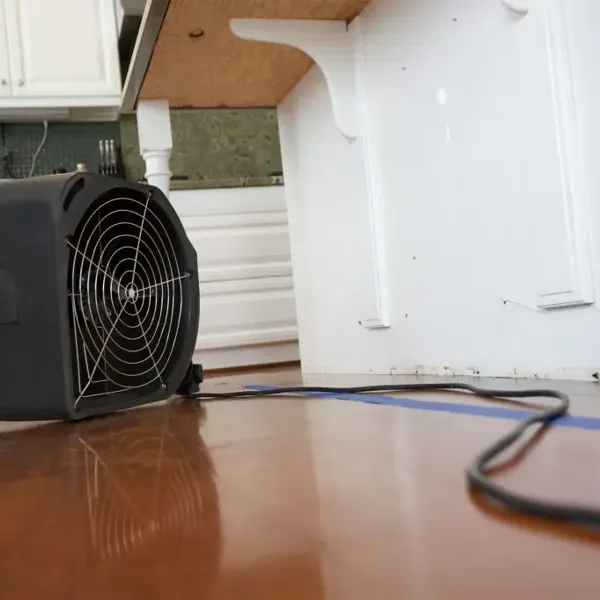
Standing water removal opens the way for closer inspection of floor edges, room connections and materials beneath the visible puddle.
Water Extraction and Removal details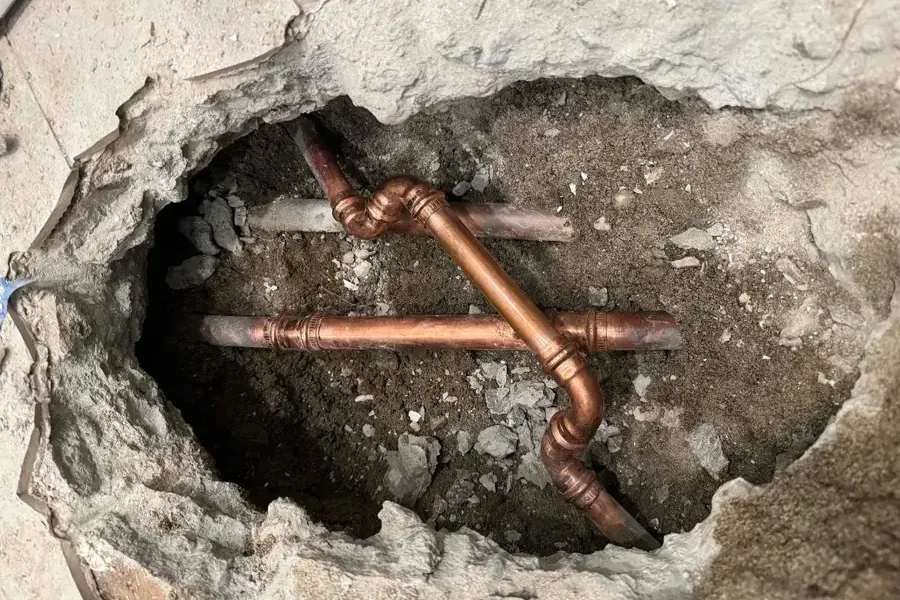
Slab Leak Water Damage
Damp flooring above concrete needs moisture mapping alongside plumbing diagnosis before openings, drying equipment or replacement finishes are planned.
Slab Leak Water Damage details
Sewage Backup Cleanup
Contaminated drain water requires restricted access, controlled removal and careful decisions about porous finishes that absorbed the backup.
Sewage Backup Cleanup details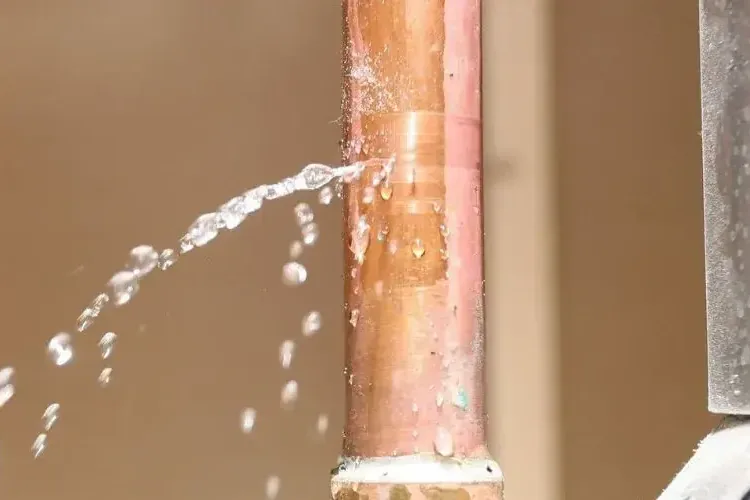
Burst Pipe Water Damage
Pressurized spray can soak cavities beyond the first wet room; cleanup follows the escape path after the supply is isolated.
Burst Pipe Water Damage details
Storm and Flood Cleanup
Outdoor water entry calls for safe reentry, debris removal and inspection of the surfaces and contents touched by floodwater.
Storm and Flood Cleanup details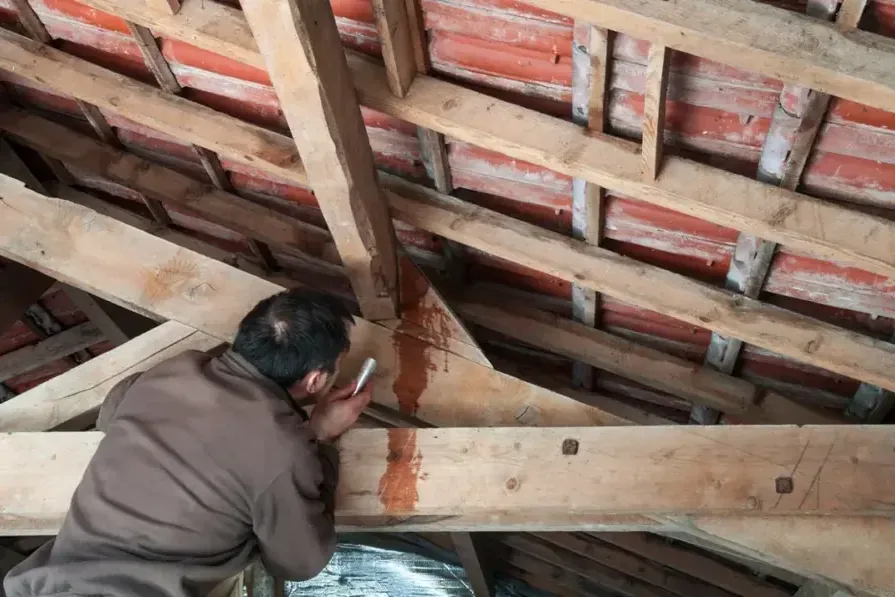
Roof Leak Water Damage
Rain entering overhead may travel through attic materials before appearing indoors; interior drying follows repair of the roof opening.
Roof Leak Water Damage details
Ceiling Leak Water Damage
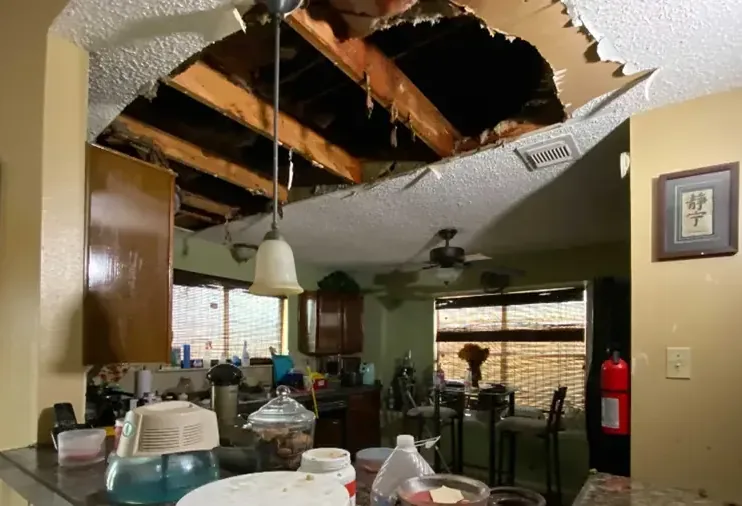
A ceiling stain starts an investigation above the finish, including concealed wet insulation, nearby fixtures and potential falling material.
Ceiling Leak Water Damage details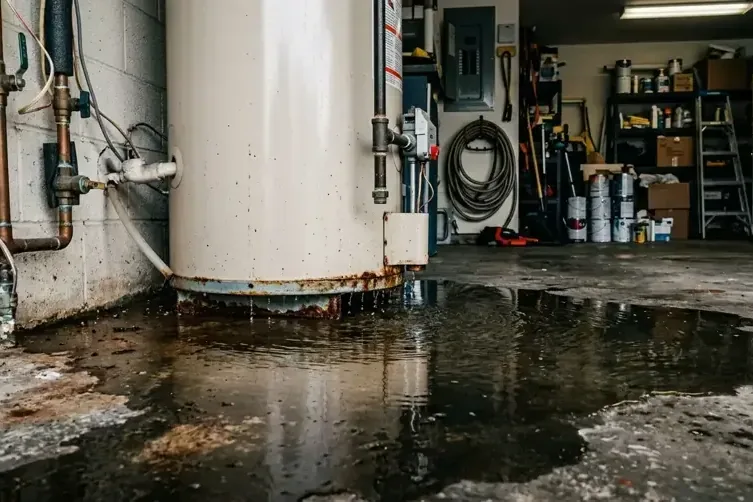
Water Heater Leak Cleanup
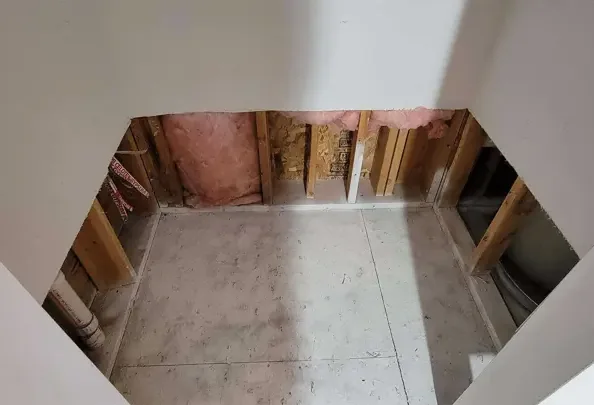
A leaking tank can wet its closet and adjoining flooring; extraction reaches the edges concealed behind the equipment enclosure.
Water Heater Leak Cleanup details
Appliance and Supply Hose Leaks
Water behind washing machines and kitchen appliances often reaches cabinet bases, floor seams and neighboring rooms before anyone notices.
Appliance and Supply Hose Leaks details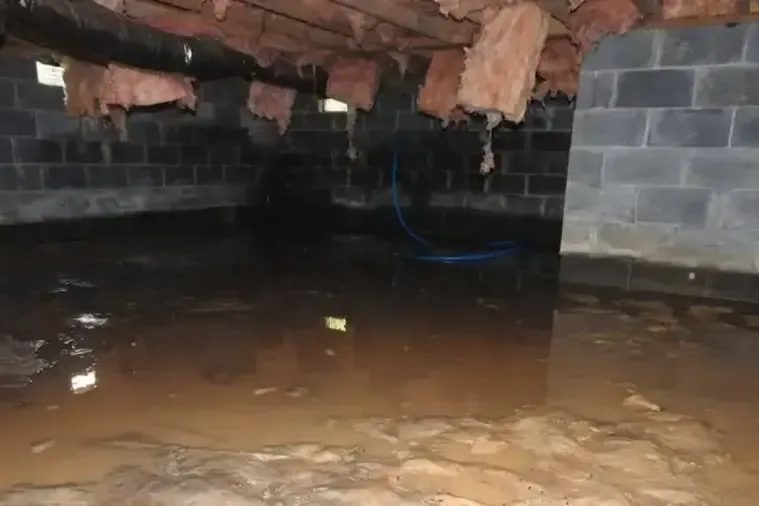
Crawl Space Water Removal
Underfloor water removal considers entry clearance, wet insulation and framing before equipment placement or access beneath the building begins.
Crawl Space Water Removal details
Structural Drying and Dehumidification
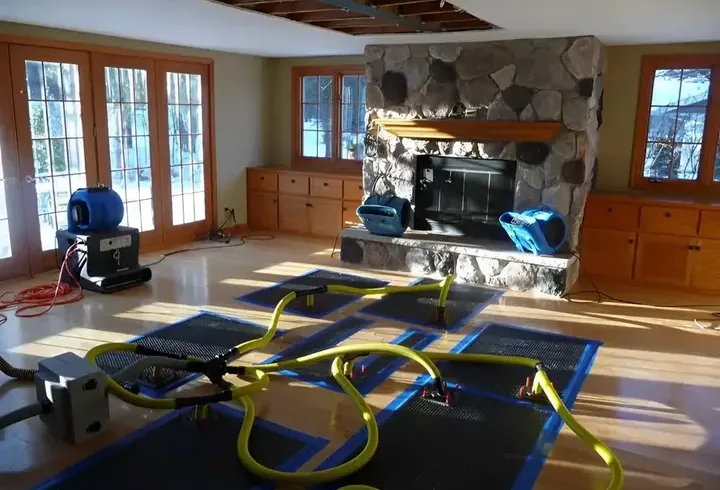
Material readings direct airflow and humidity control so a dry surface does not hide moisture deeper inside an assembly.
Structural Drying and Dehumidification details
Basement Water Removal
Lower rooms require an electrical and access assessment before pumping, followed by attention to partitions, storage and perimeter moisture.
Basement Water Removal details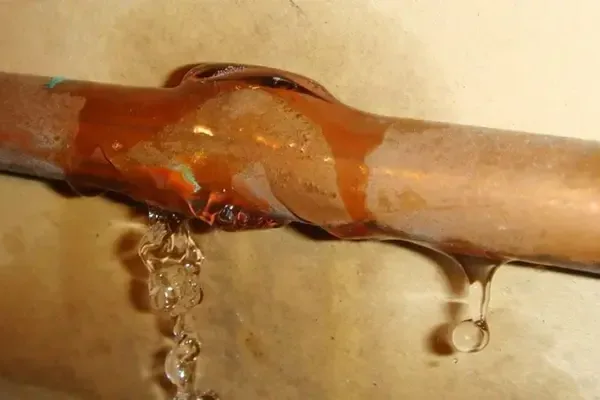
Frozen Pipe Water Damage
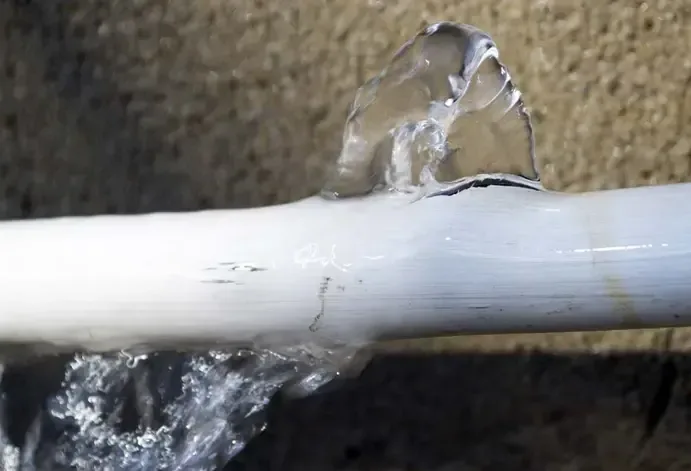
After a thaw releases water, cleanup tracks the damaged supply pipe and the concealed spaces that received the leak.
Frozen Pipe Water Damage details
Hardwood Floor Water Damage
Wet boards need prompt measurement above and below the finish, with preservation decisions based on the condition of the floor assembly.
Hardwood Floor Water Damage details
Commercial Water Damage
Occupied buildings need a cleanup plan that addresses tenant access, equipment protection and the movement of staff around affected spaces.
Commercial Water Damage detailsHelp for wet rooms nearby
Clear observations support practical cleanup decisions
Good restoration explains which materials are wet, what can stay and what needs removal before equipment fills the room or repairs begin.
Visible moisture mapping
Readings at floor edges and wall bases help define the affected area, including damp sections beyond the room where the leak appeared.
Reasoned removal choices
Separate recoverable surfaces from swollen, contaminated or inaccessible materials. Each proposed opening should have a purpose in the cleanup and drying plan.
Useful progress records
Photographs and repeat measurements connect the initial damage to later drying decisions, making changes easier for the property owner to understand.
A defined handoff
The completion discussion identifies dry materials, unresolved source repairs and remaining finish work so restoration and reconstruction do not become confused.
How water damage restoration is handled
Outline the affected footprint
Walk accessible rooms and document the spread before moving equipment. Include adjoining spaces where water may have passed beneath flooring or through partitions.
Remove trapped water
Extract accessible water and evaluate absorbent materials. Open only the areas needed to reach damage, support cleaning or release moisture from enclosed assemblies.
Balance drying conditions
Arrange airflow around the materials that remain. Humidity control and repeat readings help determine whether the setup needs adjustment as the structure dries.
Assess the remaining work
Compare final observations with the starting condition. Identify repair needs, retained material condition and any source issue that still requires a separate trade.
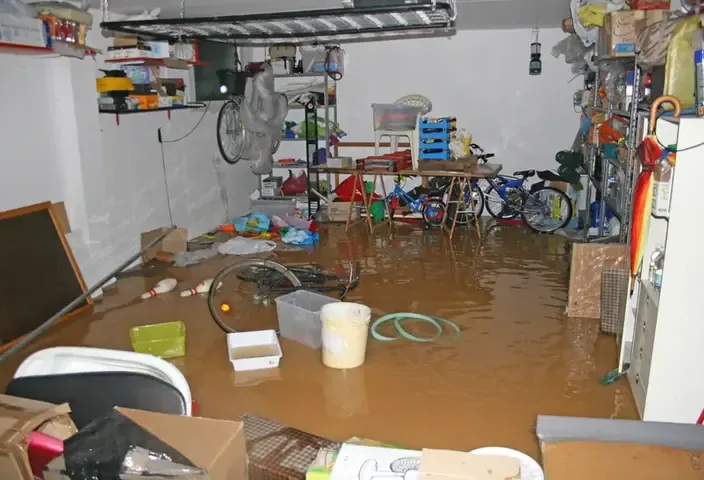
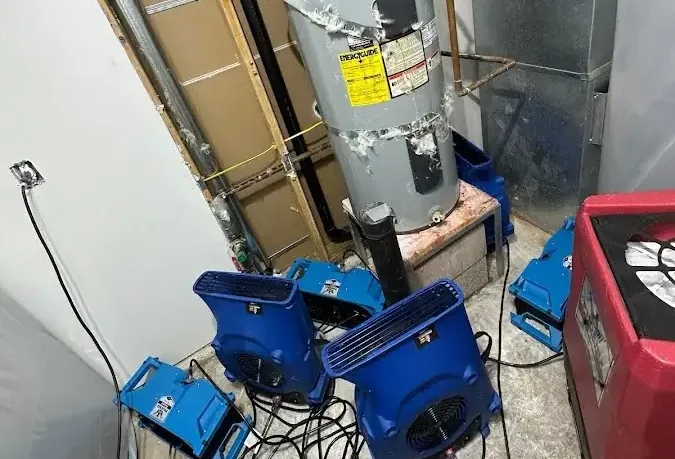
Equipment, inspection and the materials that need attention
Water damage help across Piscataway
Explain the property layout when calling
Piscataway is a township in Middlesex County. Access details matter in a detached home, a shared building or a property with several affected rooms and locked service spaces.
Describe the entrance, the water location and any occupied area beside it. A safe route for inspection helps organize equipment placement and protect dry portions of the property.
Piscataway, NJ · [email protected]
(888) 471-9821Explain the access situationAreas and access corridors
Listed ZIP codes
Nearby service pages
What affects water cleanup costs in Piscataway?
Planning ranges depend on the wet footprint, contamination and how much material must be opened. A shallow puddle on accessible flooring differs from water inside several wall cavities. An inspection establishes the scope before a property specific estimate.
Small wet area
- Accessible surface extraction
- Limited finish disturbance
- Focused equipment setup
Connected room damage
- Multiple material checks
- Selective cavity access
- Longer equipment monitoring
Extensive interior spread
- Broader removal needs
- Complex drying access
- Detailed contents handling
These figures support early budgeting. Source repair, replacement finishes and unusual access conditions should be identified separately in the written estimate before work is approved.
Follow the water through the building
The dampest visible spot may be only part of the loss. A useful restoration plan connects the source to affected surfaces, checks concealed layers and uses repeat measurements to decide when drying equipment can leave.
Make the next move a safe one
Keep access clear
Children and pets should stay outside the wet room. Move through dry areas only, especially where water reaches appliances or electrical equipment.
Isolate an active source
An accessible supply valve may stop a plumbing leak. Avoid reaching through standing water or handling wet electrical controls to reach it.
Leave unstable finishes alone
A swollen ceiling or lifting floor can conceal additional damage. Keep the area below loose overhead materials empty until it is assessed.
Record the visible spread
Photographs from a safe doorway help show the starting condition. Capture affected belongings and room edges before movable items leave the space.
Describe the building access
Mention locked rooms, shared entrances and any affected occupied unit. That information helps organize inspection without unnecessary movement through the wet area.
Match the cleanup to the water involved
Fresh supply escape
A broken supply connection can wet clean surfaces before spreading into hidden spaces. The source, contact materials and elapsed conditions shape the response.
Remove escaped waterAppliance overflow
A machine leak may contain residue from its use. Cabinets and flooring need inspection beyond the visible water at the front of the appliance.
Inspect appliance damageContaminated drain water
Sewage requires separation of the affected area from ordinary household traffic. Absorbent contents and finishes need different handling from washable solid surfaces.
Assess backup cleanupOrganize the loss documentation
A claim discussion is easier with clear photographs, a description of the water source and an itemized cleanup scope. Coverage decisions belong to the policy provider.
- Photograph wet rooms before moving belongings
- Keep invoices for urgent source repairs
- Record damaged contents by room
- Save moisture reports and estimates
- Ask about required claim documentation
Planning without a claim
For direct payment, ask for a written description of extraction, removal and drying. Separate the immediate stabilization work from replacement flooring, painting or other repairs.
Assess how additional concealed damage would change the estimate. A clear approval process helps the owner understand new work before further materials are removed.
Plan before you call
Different sources leave different damage
The Raritan Valley setting includes waterways and varied buildings. A useful cleanup assessment starts with the water that entered the property and the materials it reached.
September 2021: Remnants of Hurricane Ida flooded Birchview Gardens. A resident described a boat rescue as the Raritan River overflowed and residents left affected apartments.
River overflow
The Ida flooding at Birchview Gardens moved cars and knocked down fences. After outdoor water enters a building, safe access and contaminated material handling take priority.
Connected waterways
Ambrose Brook flows into Lake Nelson and then Ambrose Doty's Park. At an affected property, inspection follows actual entry points, deposited debris and the indoor wet footprint.
Historic building materials
Road Up Raritan Historic District includes historic homes along River Road. Older finish layers deserve careful inspection before removal or concentrated drying near delicate woodwork.
Apartment coordination
Water in an apartment can involve more than the room where it appears. Building management may need to coordinate access to adjoining units and shared service areas.
Concealed plumbing escapes
An indoor supply failure can soak wall bases or flooring before becoming visible. The wet boundary should be measured around the leak and inside accessible adjoining rooms.
Questions after water appears
Describe what happened
Share the source, affected rooms and access concerns so the first restoration discussion addresses the conditions at the property.
(888) 471-9821Talk through the damageWhat information is useful during the first call?
Describe whether water is still entering, which rooms are affected and whether the area can be reached safely. Mention overhead sagging, sewage or wet electrical equipment. For a shared building, identify the management contact and any adjoining unit that may need inspection.
Should furniture be moved before an inspection?
Small belongings can be moved through a dry route when conditions are safe. Avoid dragging heavy furniture across swollen flooring or stepping into contaminated water. Photograph items before relocating them, and keep wet contents separate from unaffected possessions until cleaning needs are assessed.
Does a dry floor surface mean the job is finished?
Moisture can remain beneath a floor covering or behind trim after the exposed surface feels dry. Material readings and accessible inspection points help evaluate those layers. Equipment removal should follow the drying findings for the affected assembly, including concealed sections that retained water.
How is an apartment leak handled?
The leak location, affected unit and building access need to be established first. Management may arrange entry above or beside the damaged room. The cleanup scope should distinguish the apartment finishes, shared materials and any continuing plumbing problem so each part receives appropriate attention.
Can wet belongings stay in the room?
That depends on their condition and whether they block access to wet building materials. Some items can be protected and shifted within a dry area. Saturated or contaminated contents may need separate handling, with photographs and an inventory recorded before disposal decisions are made.
What changes when the water came from outdoors?
Outdoor water may carry dirt and contaminants into absorbent surfaces. Reentry also depends on structural and electrical conditions. Cleanup therefore includes more than pumping: affected materials need evaluation, debris needs controlled removal and remaining surfaces need cleaning before the drying plan is finalized.
Is the plumbing repair included in restoration?
Stopping the leak and drying its damage are different tasks. A qualified repair trade may need to isolate and repair the failed component. The restoration estimate should identify the water removal, material access and drying work, with any separate source repair explained clearly.
Will every wet wall need to be removed?
Removal depends on contamination, material condition and the ability to dry concealed layers. Sound accessible material may be retained when measurements support that choice. Swollen finishes, contaminated absorbent layers or trapped moisture can require an opening, with the reason documented before the work proceeds.
How can the owner track progress between visits?
Ask which rooms and materials are being measured and what the readings show over time. Photographs can document openings or changes in condition. A progress update should explain equipment adjustments, remaining moisture and the next decision needed before the room moves toward finish repairs.
Put the affected rooms into a clear plan
Describe the water source and damaged spaces to begin a practical discussion about access, cleanup and material drying.
(888) 471-9821Discuss a restoration scope