Slab Leak Water Damage in Somerset, NJ
A persistent damp floor needs the water source located before finishes go back down. The restoration team extracts escaped water, checks adjoining walls and dries affected floor layers after the plumbing repair.
(888) 471-9821Discuss the damp floor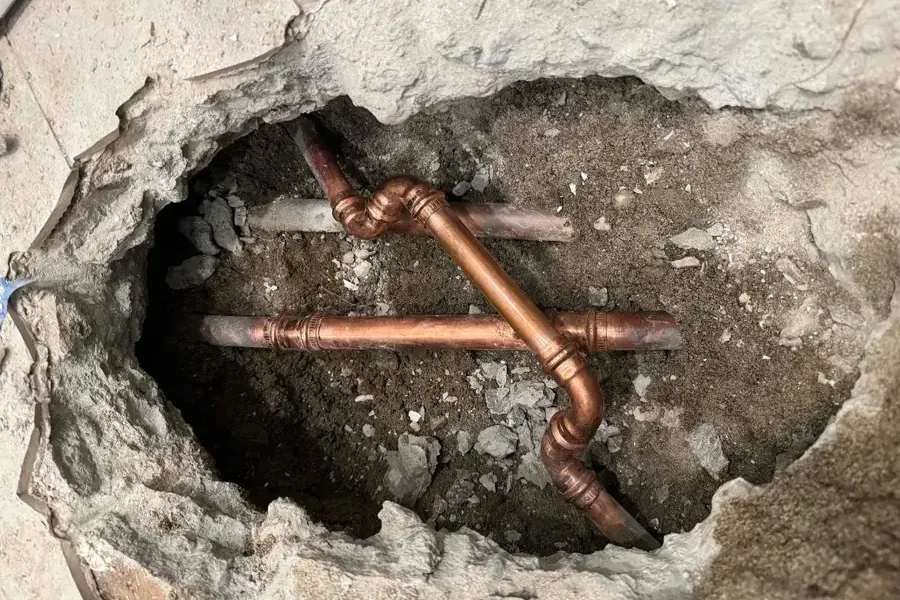
How the team handles slab leak water damage
Rapid local response
The response team treats active water as urgent and asks about the source, electrical hazards and occupied rooms. Dispatch planning starts with safe access and a clear description of the loss.
IICRC S500 drying standard
The drying team sets a moisture goal for each material, then balances extraction, airflow and dehumidification. Daily readings show where equipment needs adjustment and when drying can finish.
Claim-ready documentation
The restoration contractor records the water source, affected materials and work sequence. Photographs and moisture records explain the scope to the property owner and insurer without promising a coverage decision.
Local water experts
The mitigation team checks the actual building and follows water beyond the visible puddle. Adjoining rooms, floor edges and concealed cavities receive attention before finishes close over the structure.
First steps for slab leak water damage
Limit new water
The owner uses a safe, reachable shutoff when a supply leak is suspected. A plumber confirms the isolation and handles the damaged pipe.
Protect the room
The household avoids wet outlets and moves light belongings only from a dry route. Heavy cabinets and glued flooring stay in place until assessment.
Describe the pattern
The response team asks where moisture appears, whether the floor feels warm and whether the damp area returns. Those details guide inspection without proving the source.
Keep the records
The property owner preserves photographs and any plumbing test results. The contractor uses them alongside current readings to document the affected floor and adjoining walls.
Keep people away from a wet electrical appliance or outlet. A warm floor, damp seam or unexplained water use needs a plumbing assessment, but no single symptom identifies the failed pipe. The mitigation team coordinates safe access and source control before disturbing the floor.
What does slab leak water damage cost in Somerset, NJ?
Typical slab-leak water mitigation ranges from $1,000 to $3,500 for a contained accessible area and $3,500 to $9,000 where flooring and wall bases need broader opening. Plumbing repair and replacement finishes are separate scope items.
Limited floor area
- Surface extraction and mapping
- Accessible floor drying
- Progress measurements
Layered flooring
- Selective covering removal
- Wall-base moisture checks
- Dehumidification and records
Extended moisture
- Several assemblies affected
- Additional access and equipment
- Longer monitored drying
Typical ranges depend on water category, wet area, access and material layers. The inspection defines the scope. Compare inputs with the Somerset water damage cost calculator.
The slab leak water damage process
Locate and isolate
The repair professional investigates the supply system. The mitigation technician independently maps moisture in the room so the drying boundary follows the released water, not only the pipe opening.
Expose wet layers
The contractor explains which coverings obstruct drying and documents their condition. Selective removal gives air access while preserving evidence of the initial damage and the agreed scope.
Manage evaporation
The drying team places air movers and dehumidifiers for the exposed assembly. Daily readings show whether concrete, wall bases and nearby materials are moving toward the established goal.
Release for repair
The completion record separates dry materials from items awaiting replacement. The flooring professional checks installation conditions before the room receives a new finish or the access opening closes.
Finding the moisture path beneath a finished floor
Floor coverings can hide water traveling across concrete and into nearby wall bases. The technician maps readings on both sides of a damp seam, checks the room perimeter and compares unaffected materials. A pressure test or other plumbing diagnosis belongs with the repair professional; extraction alone cannot stop a buried supply leak.
A property near Hamilton Street may need access through an occupied room, while a building around Easton Avenue may need a manager to authorize opening a finish. The work starts with the actual floor assembly. For a home near Van Wickle House, the source location and floor access are established before cutting begins.
- Record where dampness first appeared and whether it returns after wiping.
- Keep removed flooring samples and photographs with the loss record.
- Identify any active underfloor heating before equipment or access work.
- Record the plumbing test result and the exact assembly exposed at the source opening.
- Keep the flooring product requirements with final substrate measurements for the installer.
- Identify remaining access repairs so the owner can coordinate closing work without covering wet layers.
A damp seam can hide moisture beneath the finish. Describe the wet area, any recent plumbing repair and the rooms next to it before the floor is closed.
(888) 471-9821Discuss concealed floor moistureDrying concrete, adhesives and the wall base
Concrete can retain moisture after standing water disappears. The drying team considers the finish above it, adhesive condition and the path vapor can take out of the assembly. Some coverings require removal to expose the wet surface. Cabinets, base trim and adjoining drywall also need readings when water has traveled laterally.
Air movement and dehumidification support evaporation, but the equipment plan must match the material. A technician follows drying trends rather than assuming the slab is ready because the room feels comfortable. Flooring installation has its own moisture requirements; the installer checks suitability before applying new adhesive or closing the assembly.
- Separate plumbing access from the drying opening in the written scope.
- Compare wet wall bases with a dry reference inside the same building.
- Confirm the floor finish requirements before scheduling replacement.
Avoiding a second loss when the room closes
The contractor keeps photographs of access openings and records the source-repair status. Drying completion should identify which layers were tested and any remaining limitations for replacement work. If water returns during monitoring, the team pauses the closing plan and requests further source investigation.
The EPA moisture control guidance explains why managing water in building assemblies matters. The Ready.gov flood preparation information also helps distinguish outside water emergencies from a contained plumbing loss. Neither reference replaces inspection of the actual floor.
- Ask for the initial and final moisture locations in the documentation.
- Keep pipe repair records separate from flooring replacement invoices.
- Check adjoining rooms again before removing the last drying equipment.
Coordinate the opening with the replacement plan
The owner should identify the flooring product and any known embedded services before an access opening is selected. A plumber locates the repair area, while the mitigation technician records surrounding moisture that may require a wider drying boundary. Those decisions are coordinated before work starts so the opening remains useful to both trades.
At the repair handoff, the contractor explains which materials reached their drying goal and what still needs installation preparation. The owner can then arrange substrate checks, patching and finish work in the right sequence. A clear record reduces confusion when several trades visit the same room at different times, particularly when furniture or occupied spaces limit access.
Slab leak water damage in Somerset
Service covers Somerset ZIP 08873, including homes around Easton Avenue, Hamilton Street and Franklin Boulevard. The response team checks access, active water and affected rooms before planning equipment. Somerset is a community within Franklin Township.
Nearby service areas include New Brunswick, Piscataway, Somerville, Middlesex and South Plainfield.
A damp seam can hide moisture beneath the finish. Describe the wet area, any recent plumbing repair and the rooms next to it before the floor is closed. Call (888) 471-9821.
Related water damage services in Somerset



Slab Leak Water Damage questions in Somerset, NJ
Discuss the wet area
A damp seam can hide moisture beneath the finish. Describe the wet area, any recent plumbing repair and the rooms next to it before the floor is closed.
(888) 471-9821Discuss concealed floor moistureDoes a warm floor prove a slab leak?
A warm patch can justify checking a hot-water supply, but it is not a diagnosis by itself. A plumbing professional uses the system layout and testing to locate a failure. The restoration team measures the moisture footprint so cleanup reaches beyond the visible symptom and follows any spread into adjoining materials.
Can the floor dry without removing its covering?
Sometimes an accessible, clean-water assembly can dry with the finish retained. Impermeable coverings, failed adhesive or wet underlayment may block that approach. The technician evaluates the layers and contamination before recommending removal. The plan should state what can dry in place and which readings support that decision.
Who repairs the pipe below the floor?
The plumbing repair professional locates and repairs the source. The mitigation contractor removes escaped water and dries the affected building materials. Those tasks need coordination, especially when an access opening changes the drying route. A written scope helps the owner understand which trade handles each part.
When can new flooring be installed?
Installation follows documented drying and the flooring system requirements. A room can look dry while concrete or underlayment still holds excess moisture. The drying team records its findings, and the installer checks the substrate before replacement. Scheduling by appearance alone can trap moisture beneath the new covering.
Is a slab leak always covered by insurance?
Coverage depends on the policy and cause. The owner should discuss the leak history, discovery date and repair scope with the insurer. The contractor can provide photographs, measurements and mitigation invoices. The insurer reviews those records and determines payment for pipe repair, mitigation and replacement finishes under the policy.
What if the damp patch returns during drying?
Returning moisture calls for another source check. The technician compares readings and equipment conditions, then coordinates with the repair professional if water is still entering. Closing the floor too early hides that warning. Keep the affected area accessible until the source status and drying trend are clear.
Get the wet floor layers assessed
The mitigation team coordinates source status, material access and measured drying before replacement work starts.
(888) 471-9821Arrange a floor assessment