Frozen Pipe Water Damage in Somerset, NJ
A frozen section can split and release water during thawing. The response team coordinates safe plumbing isolation, follows the escaped water into surrounding materials and dries the affected structure after repair.
(888) 471-9821Assess thaw-related damage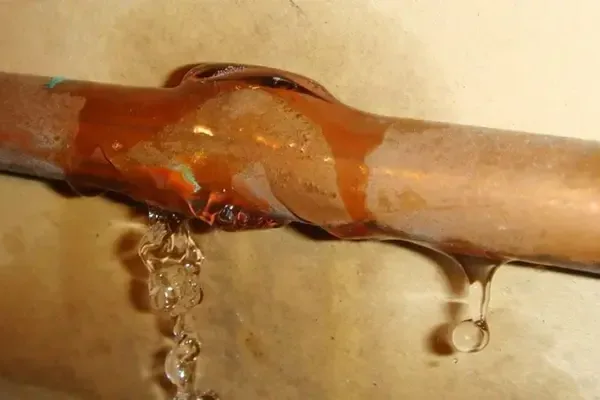
How the team handles frozen pipe water damage
Rapid local response
The response team treats active water as urgent and asks about the source, electrical hazards and occupied rooms. Dispatch planning starts with safe access and a clear description of the loss.
IICRC S500 drying standard
The drying team sets a moisture goal for each material, then balances extraction, airflow and dehumidification. Daily readings show where equipment needs adjustment and when drying can finish.
Claim-ready documentation
The restoration contractor records the water source, affected materials and work sequence. Photographs and moisture records explain the scope to the property owner and insurer without promising a coverage decision.
Local water experts
The mitigation team checks the actual building and follows water beyond the visible puddle. Adjoining rooms, floor edges and concealed cavities receive attention before finishes close over the structure.
First steps for frozen pipe water damage
Avoid unsafe thawing
The household does not apply flame or improvised heaters to suspected frozen plumbing. A repair professional assesses the pipe and chooses an appropriate safe approach.
Limit a visible leak
A dry, accessible shutoff can reduce new water when safely operated. Wet controls and unknown plumbing arrangements require professional assistance rather than household experimentation.
Describe the sequence
The response team needs to know whether flow stopped, thawing occurred and water appeared later. That sequence helps the source assessment and the mitigation documentation.
Check connected rooms safely
Occupants report stains or damp floors visible from safe areas. The technician performs the detailed moisture checks inside cavities and around electrical or overhead hazards.
Never use an open flame to thaw a pipe. Occupants avoid wet electrical equipment and unfamiliar controls. A plumbing professional handles a suspected frozen or split section and confirms safe isolation. The mitigation crew checks the building damage without asking the household to heat or open a concealed pipe cavity.
What does frozen pipe water damage cost in Somerset, NJ?
Frozen-pipe water mitigation typically ranges from $900 to $3,000 for a contained leak, $3,000 to $7,500 for wet cavities and several rooms, and $7,500 to $15,000 for extensive concealed spread. Pipe repair and prevention improvements are separate.
Contained thaw leak
- Water extraction
- Initial material mapping
- Targeted drying
Cavity and room damage
- Selective finish access
- Insulation assessment
- Daily moisture readings
Extended concealed loss
- Multiple assemblies affected
- Additional removal and equipment
- Detailed repair handoff
Typical ranges depend on water category, wet area, access and material layers. The inspection defines the scope. Compare inputs with the Somerset water damage cost calculator.
The frozen pipe water damage process
Review source history
The plumber investigates the frozen or split section. The mitigation technician records the interruption and thaw sequence alongside current moisture readings in the affected rooms.
Recover and expose
The crew removes accessible water and documents damaged layers. Selective openings follow the observed moisture path, which may extend beyond the plumber’s repair access.
Control the dry-out
The drying team balances equipment and indoor conditions for the wet materials. Repeated measurements reveal cavities needing better access or further source investigation.
Close with records
Final readings and source-repair documentation support the handoff. The owner can coordinate insulation, finish replacement and separate freeze-prevention work without covering a still-wet assembly.
A thaw can reveal damage that was not visible earlier
A pipe may stop delivering water while frozen, then leak when the blockage thaws and pressure returns. The owner should report both the interruption and the later water appearance. The plumber checks the system, while the restoration technician follows moisture through the surrounding wall, floor or ceiling.
Somerset has cool to cold winters. Around Easton Avenue, JFK Boulevard and Hamilton Street, the inspection still needs the actual pipe location and exposure. The plumber checks exposed sections and the reported loss of flow, while the mitigation technician maps the water released during thawing.
- Record when water flow changed and when leakage appeared.
- Identify exposed plumbing already known to the owner.
- Keep failed pipe sections or repair photographs when practical.
- Preserve the reported interruption, thaw and leak sequence alongside the plumber findings.
- Record wet insulation or framing exposed beyond the original pipe repair opening.
- Separate freeze-prevention improvements from the scope needed to dry the current water loss.
A thaw can release water into hidden cavities. Explain the loss of flow, the timing of the leak and any wet rooms so inspection follows the full sequence.
(888) 471-9821Discuss the thaw-leak sequenceThe pipe repair opening may be smaller than the wet area
Water from a thawed break can travel along framing and collect in another room. The technician measures beyond the repair location and checks adjacent finishes. Wet insulation, layered flooring or a concealed cavity may require additional access even after the plumber has completed the pipe repair.
The contractor documents why each opening is needed and protects dry spaces during removal. Controlled drying then addresses the exposed materials. Material readings show the remaining moisture in insulation-adjacent framing and subfloor layers as the room warms.
- Include rooms below a suspected upstairs pipe route.
- Check the back of baseboards and nearby cabinet bases.
- Separate source repair from finish removal in the written scope.
Finish the loss before returning to normal use
The repair professional confirms the pipe system status. The drying team records moisture progress and reports any renewed entry. Cold-season occupancy or heating interruptions should be discussed because they can affect safe building conditions and the ability to maintain the drying setup.
The Ready.gov winter-weather information covers seasonal preparation. The EPA moisture-control guidance explains wet-building concerns. Prevention changes and the completed dry-out remain separate decisions in the owner’s repair plan.
- Share repair testing results with the mitigation contractor.
- Maintain the agreed drying environment safely.
- Confirm cavity readings before insulation and finishes return.
Frozen pipe water damage in Somerset
Service covers Somerset ZIP 08873, including homes around Easton Avenue, Hamilton Street and Franklin Boulevard. The response team checks access, active water and affected rooms before planning equipment. Somerset is a community within Franklin Township.
Nearby service areas include New Brunswick, Piscataway, Somerville, Middlesex and South Plainfield.
A thaw can release water into hidden cavities. Explain the loss of flow, the timing of the leak and any wet rooms so inspection follows the full sequence. Call (888) 471-9821.
Related water damage services in Somerset


Frozen Pipe Water Damage questions in Somerset, NJ
Discuss the wet area
A thaw can release water into hidden cavities. Explain the loss of flow, the timing of the leak and any wet rooms so inspection follows the full sequence.
(888) 471-9821Discuss the thaw-leak sequenceCan a pipe leak only after it thaws?
Yes. A split may release water when thawing allows flow and pressure to return. Report the earlier interruption and later leak to the plumber. The restoration technician checks the resulting water path, including rooms and materials beyond the place where the pipe was repaired.
Is an open flame a safe way to thaw the pipe?
No. An open flame creates additional danger around the building and concealed materials. A plumbing professional should assess a suspected frozen section and choose safe methods. Occupants should focus on safe isolation and describing the condition rather than applying uncontrolled heat or opening a wall themselves.
Will repairing the split pipe dry the wall?
No. Source repair stops new water when successful, but insulation, framing and finishes can retain the released water. The mitigation team measures those layers and plans access and drying. The plumber’s opening may not expose the full area needing attention before the wall is patched.
Should other nearby rooms be checked?
Yes, when the water route could reach them. Supply water can travel along framing or floor layers before appearing elsewhere. The technician uses measurements to define the boundary. Report any visible stains below the break or dampness across a threshold so those areas receive assessment.
Does cold outdoor weather make drying impossible?
The drying team manages indoor conditions and selects equipment for the affected materials. Safe heating and access conditions still matter, particularly in an unoccupied building. Discuss any heating interruption with the contractor. Material readings determine progress rather than a simple assumption based on outdoor temperature.
How can the owner distinguish repair and prevention costs?
Ask for separate descriptions of the failed-pipe repair, water mitigation, finish replacement and proposed freeze-prevention changes. Each addresses a different need. Keep the documentation together for the insurer, which determines coverage under the policy. The restoration record explains damage and drying without promising reimbursement for improvements.
Check the structure after a frozen pipe breaks
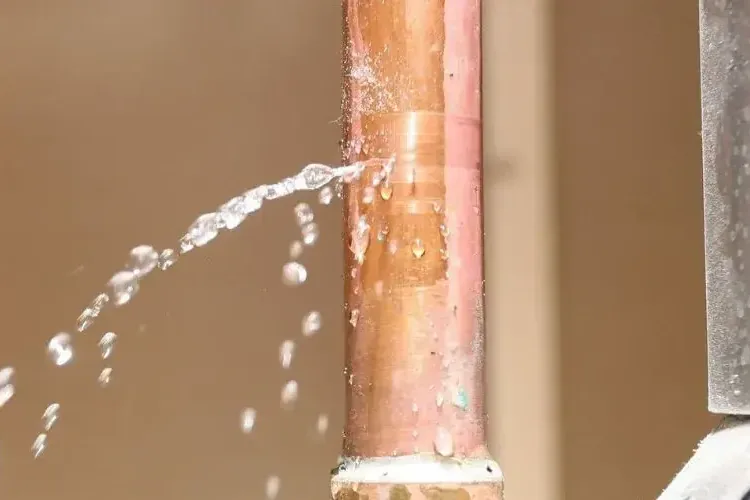
The repair professional controls the source while the mitigation crew maps, extracts and dries the escaped water.
(888) 471-9821Plan winter pipe-leak cleanup