Crawl Space Water Removal in Somerset, NJ
Pooled water beneath a raised floor needs a safe access plan. The restoration crew assesses the entry source, pumps accessible water and checks joists, insulation and the underside of the floor for retained moisture.
(888) 471-9821Discuss underfloor water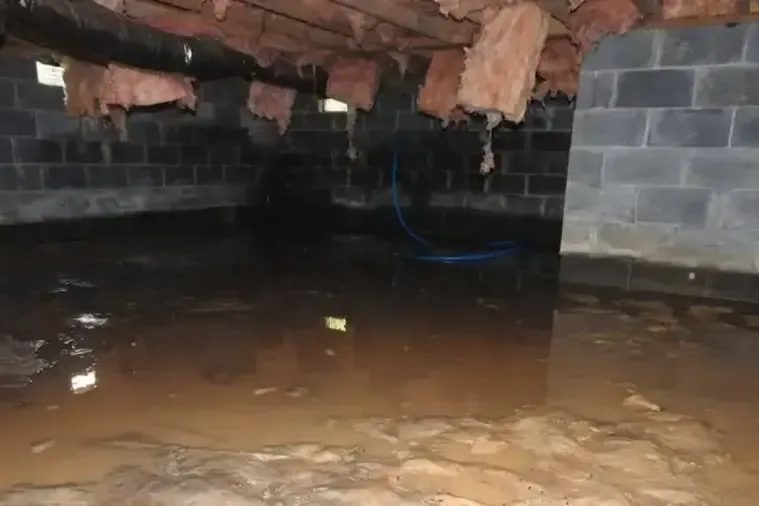
How the team handles crawl space water removal
Rapid local response
The response team treats active water as urgent and asks about the source, electrical hazards and occupied rooms. Dispatch planning starts with safe access and a clear description of the loss.
IICRC S500 drying standard
The drying team sets a moisture goal for each material, then balances extraction, airflow and dehumidification. Daily readings show where equipment needs adjustment and when drying can finish.
Claim-ready documentation
The restoration contractor records the water source, affected materials and work sequence. Photographs and moisture records explain the scope to the property owner and insurer without promising a coverage decision.
Local water experts
The mitigation team checks the actual building and follows water beyond the visible puddle. Adjoining rooms, floor edges and concealed cavities receive attention before finishes close over the structure.
First steps for crawl space water removal
Stay outside the opening
The household avoids entering a wet confined area. Photographs from a safe exterior position can show access without exposing someone to underfloor electrical or contamination hazards.
Identify known plumbing trouble
The owner reports any fixture or supply leak already diagnosed. The plumber handles isolation and repair while the mitigation technician evaluates the wet structure.
Clear a dry work route
Stored objects around the access can move if the area is safe. The crew decides how equipment and removed material travel between the opening and disposal area.
Watch for continued entry
The response team needs to know whether water keeps collecting after rain or plumbing use. That pattern helps direct inspection and the source-repair discussion.
Occupants should not crawl into standing water under a building. Restricted entry, electrical components, unstable ground and contamination can make the space hazardous. The contractor evaluates safe access before pumping or handling insulation. The response team can work from a description of the access opening and visible conditions outside it.
What does crawl space water removal cost in Somerset, NJ?
Crawl-space water mitigation typically ranges from $1,200 to $3,500 for accessible pumping and drying, $3,500 to $7,500 with wet insulation handling, and $7,500 to $14,000 for larger or restricted-access losses. Plumbing and drainage correction are separate.
Accessible pooled water
- Safe access setup
- Pumping and moisture map
- Underfloor drying
Wet insulation and framing
- Selective insulation removal
- Protected handling route
- Joist monitoring
Complex underfloor loss
- Restricted equipment access
- Larger wet area
- Extended measurement plan
Typical ranges depend on water category, wet area, access and material layers. The inspection defines the scope. Compare inputs with the Somerset water damage cost calculator.
The crawl space water removal process
Plan the entry
The contractor assesses access, hazards and the water source. Safe conditions and a handling route are established before workers enter or move equipment beneath the floor.
Pump and expose
The crew removes pooled water and identifies material that obstructs drying. Insulation removal and disposal follow the assessed condition, with records showing the original wet areas.
Dry the floor structure
The technician controls airflow and humidity around accessible joists and subfloor. Repeated measurements reveal slow areas and guide equipment adjustments across the underfloor space.
Document source and structure
The final record states moisture results and any outstanding entry issue. Replacement insulation or other closing work follows the drying status and the appropriate repair professional’s scope.
Start with the access and the source
A crawl space can conceal leaking plumbing or water entering from outside. The assessment distinguishes those sources and checks whether inflow continues. The team also considers the opening, clearance, discharge route and ability to move equipment without exposing occupants to the wet area.
The service applies to inspected raised-floor spaces around Easton Avenue, Hamilton Street and Franklin Boulevard. The technician checks the opening and identifies the underfloor structure before arranging access. The actual foundation arrangement determines whether underfloor pumping and joist drying belong in the scope.
- Describe the access opening without entering the wet space.
- Mention any known plumbing leak or recent outside water entry.
- Keep the opening clear for the authorized assessment.
- Record the access restriction and any wet utility that affected the entry plan.
- Map joist testing locations so later readings compare the same underfloor material.
- Document the source correction before replacement insulation hides the floor structure again.
Underfloor water needs a safe entry plan. Describe the opening, visible pooling and any known leak while keeping occupants outside the affected space.
(888) 471-9821Plan safe underfloor accessWater removal is only the first underfloor task
Pumping clears free water but leaves moisture in insulation, joists and subfloor layers. Wet insulation can prevent air from reaching wood and may require removal based on contamination and condition. The crew documents those decisions before bagging material or changing the appearance of the space.
Drying beneath a building requires attention to airflow paths and vapor removal. Simply venting humid outside air through the opening may not improve drying. The technician monitors material readings and conditions in the work area, adjusting the plan when a bay or concealed surface remains wet.
- Check the underside of rooms showing soft or damp flooring.
- Assess wet insulation separately from sound framing.
- Keep contamination handling away from indoor living areas.
Address recurring entry before closing access
The restoration contractor identifies the observed water route, while the responsible repair professional handles plumbing or drainage work. A pump-out cannot prevent another loss if the source remains active. The owner needs a clear distinction between removing existing water and correcting the reason it collected.
The EPA moisture-control guidance covers water in building assemblies. The Ready.gov flooding information reinforces caution around standing water. The inspected space and its safe-access conditions set the job requirements.
- Document the source correction and any remaining entry concern.
- Retain measurements at wet joists and a dry reference.
- Confirm insulation replacement follows completion of the dry-out.
Crawl space water removal in Somerset
Service covers Somerset ZIP 08873, including homes around Easton Avenue, Hamilton Street and Franklin Boulevard. The response team checks access, active water and affected rooms before planning equipment. Somerset is a community within Franklin Township.
Nearby service areas include New Brunswick, Piscataway, Somerville, Middlesex and South Plainfield.
Underfloor water needs a safe entry plan. Describe the opening, visible pooling and any known leak while keeping occupants outside the affected space. Call (888) 471-9821.
Related water damage services in Somerset


Crawl Space Water Removal questions in Somerset, NJ
Discuss the wet area
Underfloor water needs a safe entry plan. Describe the opening, visible pooling and any known leak while keeping occupants outside the affected space.
(888) 471-9821Plan safe underfloor accessCan a homeowner crawl in to place a pump?
A wet crawl space can contain electrical, contamination and access hazards that are difficult to assess from outside. Occupants should stay out and describe the visible conditions. The contractor plans safe entry and equipment placement rather than relying on a household member to prepare the wet area.
Does pumping remove the need to dry joists?
No. Wood and insulation can retain water after the ground or floor clears. The technician checks the underside of the building and sets drying goals for affected materials. Pumping reduces free water, while the monitored drying stage addresses moisture already absorbed into the structure.
Will all underfloor insulation need replacement?
The scope depends on contamination, saturation, physical condition and access. The contractor identifies affected sections rather than assuming every piece must leave. Material that holds contamination or obstructs necessary drying may require removal. Replacement follows the condition of the framing and the completed moisture checks.
Can opening vents solve the problem?
Ventilation alone may not control humidity or reach wet materials, particularly when incoming air is humid. The drying team evaluates the space and balances air movement with moisture removal. Source control remains necessary so new water does not collect while the existing structure is drying.
What if water returns after the pump-out?
Recurring water calls for source investigation. The entry may involve plumbing or outside water, and the responsible professional needs to address that route. The mitigation contractor records the observation and protects the drying plan. Repeated pumping without source correction does not resolve the underlying condition.
Does every Somerset property need crawl-space service?
No. This service applies where the building actually has an accessible underfloor space with water damage. The inspection confirms construction and the wet area. The technician examines the foundation arrangement and selects equipment for the accessible wet materials.
Remove pooled water and check the floor structure
The crew assesses joists, insulation and recurring entry before deciding how the underfloor space should dry.
(888) 471-9821Discuss crawl-space drying