Burst Pipe Water Damage in Somerset, NJ
A broken supply pipe can wet several assemblies before anyone sees a puddle. The mitigation team checks the full water path, extracts accessible water and dries the structure after the source is isolated.
(888) 471-9821Assess the pipe damage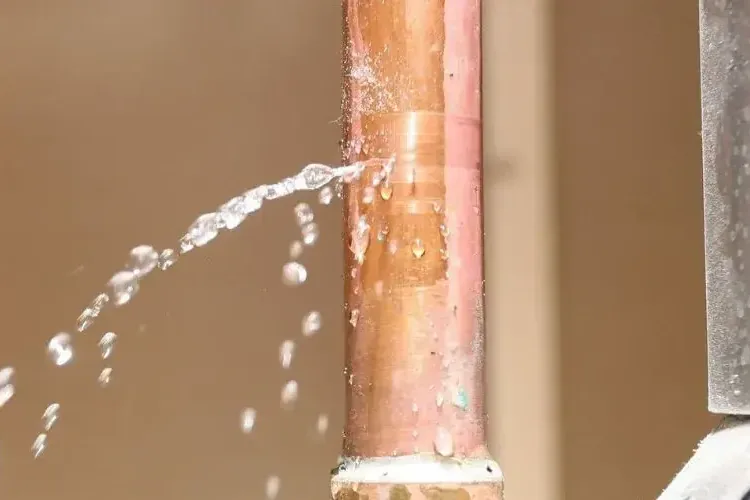
How the team handles burst pipe water damage
Rapid local response
The response team treats active water as urgent and asks about the source, electrical hazards and occupied rooms. Dispatch planning starts with safe access and a clear description of the loss.
IICRC S500 drying standard
The drying team sets a moisture goal for each material, then balances extraction, airflow and dehumidification. Daily readings show where equipment needs adjustment and when drying can finish.
Claim-ready documentation
The restoration contractor records the water source, affected materials and work sequence. Photographs and moisture records explain the scope to the property owner and insurer without promising a coverage decision.
Local water experts
The mitigation team checks the actual building and follows water beyond the visible puddle. Adjoining rooms, floor edges and concealed cavities receive attention before finishes close over the structure.
First steps for burst pipe water damage
Isolate safely
The owner operates an accessible water shutoff from a dry position. A plumber handles the break and any system testing before normal use resumes.
Keep rooms clear
Occupants avoid sagging ceilings and wet electrical equipment. The response team needs those hazards described before workers move extraction equipment through the space.
Locate connected damage
The manager identifies rooms above or below the break and provides authorized access. Hidden moisture often crosses the boundaries of the initially reported room.
Save the evidence
Discovery photographs, the broken pipe and repair notes can explain the cause. The contractor adds moisture readings and material-removal records to the loss file.
A leaking supply needs safe isolation. The household stays clear of wet fixtures and electrical controls, while the plumber handles the failed pipe. A bulging ceiling or water near energized equipment requires professional safety assessment before the extraction crew enters or starts opening materials.
What does burst pipe water damage cost in Somerset, NJ?
Burst-pipe mitigation commonly ranges from $900 to $3,000 for one accessible room, $3,000 to $7,000 for several wet assemblies and $7,000 to $14,000 for extensive spread. Pipe repair and rebuilding are separate from extraction and drying.
One room
- Water recovery
- Initial cavity checks
- Targeted drying
Walls and floors
- Selective material access
- Several drying zones
- Daily measurements
Multi-level spread
- Broader moisture mapping
- Additional wet layers
- Completion documentation
Typical ranges depend on water category, wet area, access and material layers. The inspection defines the scope. Compare inputs with the Somerset water damage cost calculator.
The burst pipe water damage process
Map the route
The technician locates affected finishes and checks connected rooms. The first measurements establish a baseline for the structure while the plumbing professional confirms source control.
Remove free water
The extraction crew recovers pooled water and identifies damaged material that blocks access. Photographs explain the removal scope before debris leaves the building.
Dry the assemblies
Air movers and dehumidifiers work on the exposed wet layers. The drying team tracks cavities and floor edges so comfortable room air does not conceal persistent moisture.
Record the handoff
The contractor documents the drying endpoint and remaining repairs. The owner receives separate information about the source fix, completed mitigation and replacement work.
Tracing the break beyond the plumbing opening
The first visible puddle may sit well away from the failed pipe. Water follows framing, penetrations and floor layers, so the technician checks above, below and alongside the reported location. The moisture map records those findings before fans or demolition change the room.
Around Hamilton Street, the owner may need to provide access to a neighboring room. A property near Franklin Boulevard or Easton Avenue needs the same attention to concealed paths. Each inspection follows the actual pipe route, connected cavities and materials holding the escaped water.
- Identify the shutoff used and whether water flow stopped.
- Photograph the failed section before the plumber removes it when safe.
- Tell the team about wet rooms on another level.
- Identify the failed pipe section and the rooms reached by escaped supply water.
- Keep the plumber test results with the cavity moisture map and finish-removal photographs.
- Document any inaccessible wall bay before scheduling the final patch or insulation replacement.
The pipe may be repaired while the surrounding structure remains wet. Describe every affected room so the assessment follows the escaped water through the building.
(888) 471-9821Check the rooms around the breakDeciding which finishes need an opening
Clean-source water does not automatically mean every finish can stay. The contractor considers saturation, physical damage and whether a cavity can dry with the existing access. Wet insulation may obstruct evaporation; a swollen baseboard can conceal damp drywall and framing.
Selective removal should have a reason in the scope. The crew records conditions before opening walls and explains what the drying equipment can reach afterward. A pipe repair patch is not permission to close an otherwise wet cavity.
- Check the back of cabinets beside the leak.
- Include the ceiling below an upstairs failure in the moisture map.
- Separate damaged finishes from sound material needing only drying.
Completing the dry-out after source repair
The plumber confirms the source repair, and the drying team tracks building moisture independently. Air movement and dehumidification continue until the affected materials reach their targets. New dampness calls for another inspection before replacement work covers the area.
The EPA moisture-control material supports attention to concealed wet assemblies. The Ready.gov home emergency information reinforces safe decisions around standing water. The actual room readings determine the restoration sequence.
- Keep repair invoices with the mitigation report.
- Record initial and final testing locations.
- Confirm remaining finish repairs before equipment removal.
Burst pipe water damage in Somerset
Service covers Somerset ZIP 08873, including homes around Easton Avenue, Hamilton Street and Franklin Boulevard. The response team checks access, active water and affected rooms before planning equipment. Somerset is a community within Franklin Township.
Nearby service areas include New Brunswick, Piscataway, Somerville, Middlesex and South Plainfield.
The pipe may be repaired while the surrounding structure remains wet. Describe every affected room so the assessment follows the escaped water through the building. Call (888) 471-9821.
Related water damage services in Somerset



Burst Pipe Water Damage questions in Somerset, NJ
Discuss the wet area
The pipe may be repaired while the surrounding structure remains wet. Describe every affected room so the assessment follows the escaped water through the building.
(888) 471-9821Check the rooms around the breakDoes shutting off the pipe stop the damage immediately?
It stops new supply water when isolation is effective, but water already inside the building continues moving and soaking materials. Extraction and moisture mapping address that remaining loss. The technician checks neighboring surfaces even after the puddle stops growing, then defines the drying area.
Can the plumber close the wall after fixing the pipe?
The wall should not close over wet material. Source repair and cavity drying are separate checks. The restoration contractor tests the surrounding assembly and records its condition, while the repair trade coordinates patching after the moisture goal and any material-removal needs are addressed.
Will every wet wall need demolition?
No. The decision depends on contamination, material damage and drying access. Some clean-water assemblies can dry with limited openings. Wet insulation or damaged board may need removal. The contractor should explain the reason for each opening and document the condition before cutting.
How long is the equipment needed?
Equipment duration follows the amount of absorbed water and the material layers. A shallow surface loss can differ greatly from a concealed wall or multi-level leak. Daily readings show progress and guide adjustments. The team should explain the measured endpoint instead of promising a fixed number of days.
What if the break happened while the home was empty?
Report the discovery time and the last time the area was known to be dry. The team evaluates exposure and water condition during inspection. Avoid guessing an exact start time. Photos, utility information and source-repair findings can help establish the sequence for the owner and insurer.
Can a claim include both the pipe and wet rooms?
The insurer decides what the policy covers. Pipe repair, mitigation and finish replacement can receive different treatment. Keep the plumber diagnosis and invoices separate from the cleanup scope. Photographs and drying records explain the building damage without promising that a particular item receives payment.
Dry the building after the pipe stops leaking
The mitigation crew follows the water route and documents each affected assembly before finishes close.
(888) 471-9821Discuss post-break drying