South Plainfield Water Damage Restoration
A puddle beside a cabinet can hide a much larger wet area. South Plainfield water damage cleanup follows the moisture into adjoining floors, wall edges and enclosed spaces before repairs begin.
(888) 471-9821Discuss the wet roomsThe initial assessment separates the source repair, water removal and drying work into a clear scope.
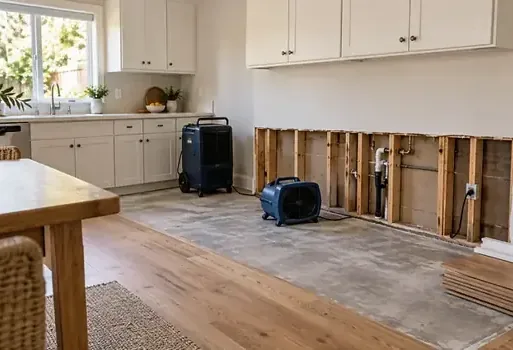
Cleanup that follows the water's path
The visible damage is a starting point. Compare water removal and material drying, then select the problem below for information about affected surfaces and the work involved.

Water Extraction and Removal
Standing water needs an accessible removal route, appropriate equipment and follow through where liquid has reached flooring seams or wall bases.
Water Extraction and Removal details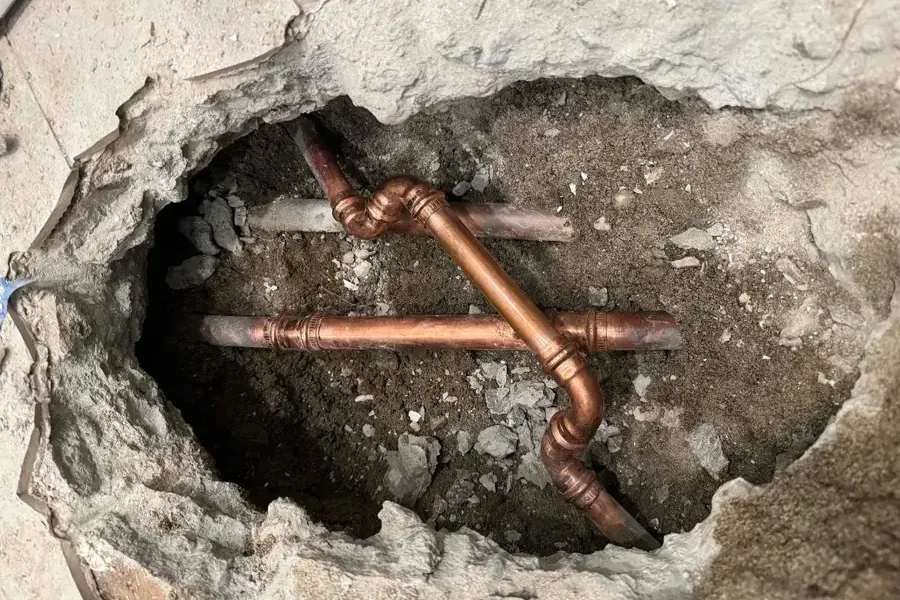
Slab Leak Water Damage
Persistent moisture above concrete calls for pipe diagnosis and separate checks of the slab, adhesive, underlayment and finished flooring.
Slab Leak Water Damage details
Sewage Backup Cleanup
Wastewater returning through a drain changes the cleanup approach, including access restrictions, contaminated contents handling and removal of affected porous finishes.
Sewage Backup Cleanup details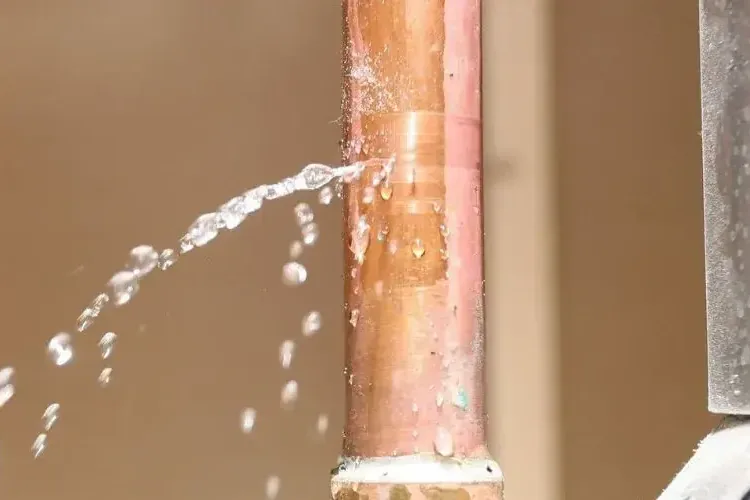
Burst Pipe Water Damage
A split supply pipe can wet several rooms before discovery. Cleanup tracks the release through cavities, doorways and floor transitions.
Burst Pipe Water Damage details
Storm and Flood Cleanup
Outdoor water brings sediment indoors. Flood cleanup considers the entry point, safe access and material condition before drying equipment is arranged.
Storm and Flood Cleanup details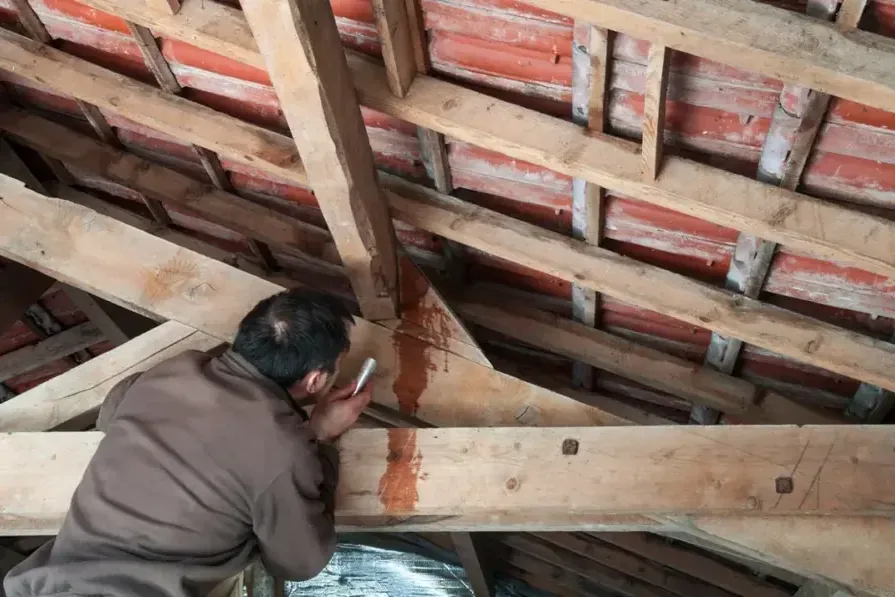
Roof Leak Water Damage
Rain entering overhead can travel along framing. Interior restoration checks attic materials and room surfaces after the roof opening is controlled.
Roof Leak Water Damage details
Ceiling Leak Water Damage
A swelling ceiling needs room restrictions and source tracing. Stained paint alone cannot show the condition of concealed insulation or framing.
Ceiling Leak Water Damage details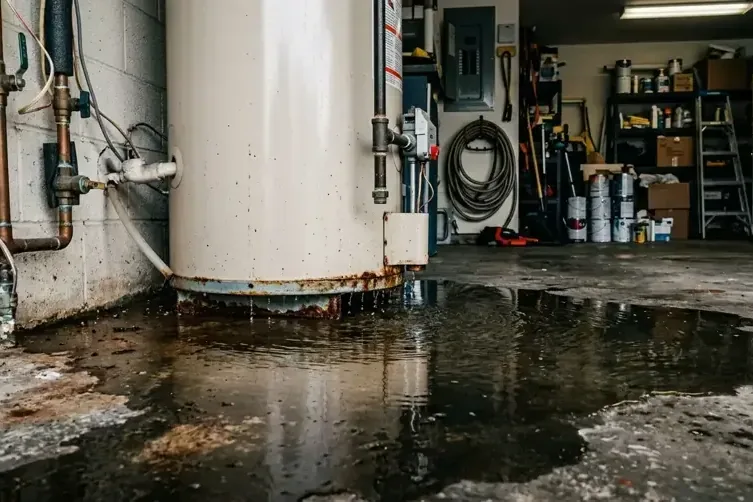
Water Heater Leak Cleanup
Tank leaks can soak closet bases and adjoining floors. Water removal and building drying accompany separate work on the failed equipment.
Water Heater Leak Cleanup details
Appliance and Supply Hose Leaks
A hose drip may escape beneath cabinets. Inspection follows the moisture behind appliances and into floor layers before the surface is closed.
Appliance and Supply Hose Leaks details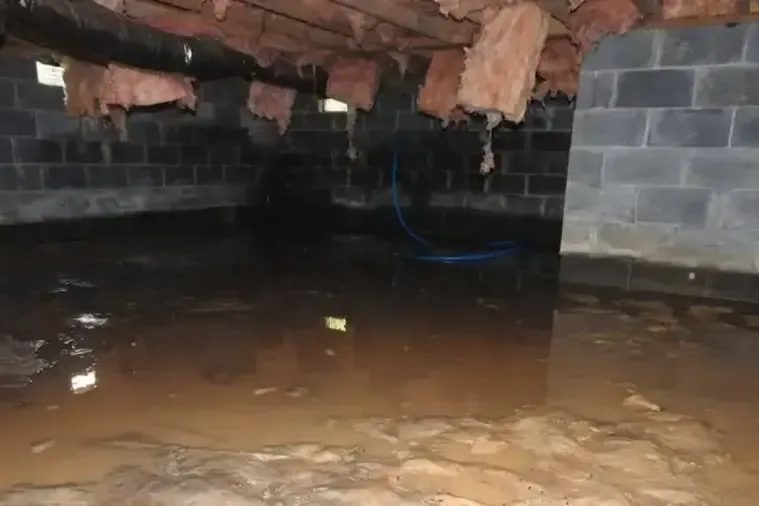
Crawl Space Water Removal
Water underneath a house requires an access assessment, controlled pumping and checks of exposed framing, insulation and the underside of flooring.
Crawl Space Water Removal details
Structural Drying and Dehumidification
Measured drying targets moisture retained in building assemblies. Repeat readings show how materials respond and where equipment or access needs adjustment.
Structural Drying and Dehumidification details
Basement Water Removal
Lower level cleanup starts by identifying the inflow and hazards, then examines storage, finished walls and concealed edges after water removal.
Basement Water Removal details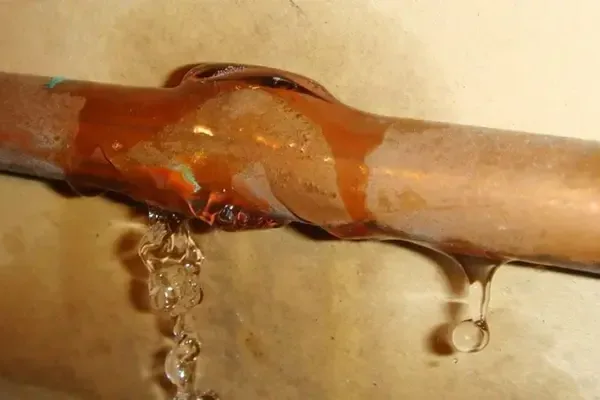
Frozen Pipe Water Damage
A thaw can reveal an unseen split. Source isolation and cavity inspections help separate an active plumbing problem from residual wet materials.
Frozen Pipe Water Damage details
Hardwood Floor Water Damage
Wet boards need more than a surface check. Floor recovery depends on the wood, subfloor, fastening system and measured drying response.
Hardwood Floor Water Damage details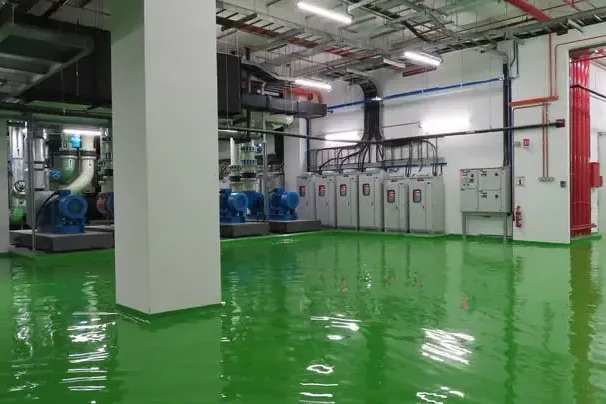
Commercial Water Damage
Wet business premises need a defined work boundary and coordinated access so equipment, stock and unaffected activities can be considered together.
Commercial Water Damage detailsHelp for wet rooms nearby
A dry surface is only one checkpoint
Restoration needs a record of affected materials, accessible cavities and drying progress so the next repair stage begins with a clear understanding.
Defined wet boundary
Inspection extends past visible discoloration to compare adjoining materials, identify trapped moisture and explain which areas belong in the proposed drying scope.
Source and cleanup separation
A plumber or roofer addresses the failure itself. Building cleanup has a different scope covering water, affected finishes and the remaining moisture.
Material decisions
Solid framing, layered flooring and absorbent insulation behave differently. The plan identifies what can remain in place and what needs controlled removal.
Recorded progress
Repeat checks connect equipment changes to actual material response, giving the owner a useful record instead of relying on appearance or elapsed time.
How water damage restoration is handled
Survey each connected surface
The first moisture map includes room edges, floor transitions and adjacent spaces so an isolated looking stain receives an inspection of its surrounding assembly.
Remove water and obstructions
Extraction clears accessible liquid while affected contents and unsalvageable finishes are addressed in a sequence that opens the remaining materials to drying.
Adjust the drying setup
Air movement and dehumidification are matched to the exposed materials. Readings reveal areas that need repositioned equipment or additional access for trapped moisture.
Record the closing condition
Final checks compare material readings with the drying goal and explain remaining repair work before coverings, trim or cabinetry conceal the inspected surfaces.
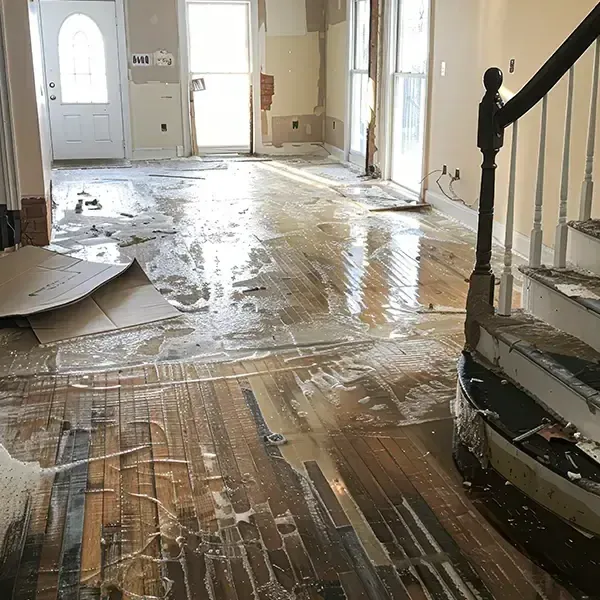
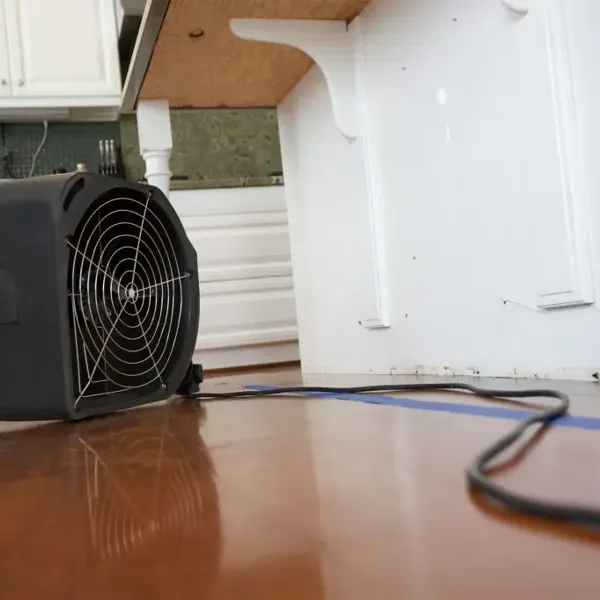
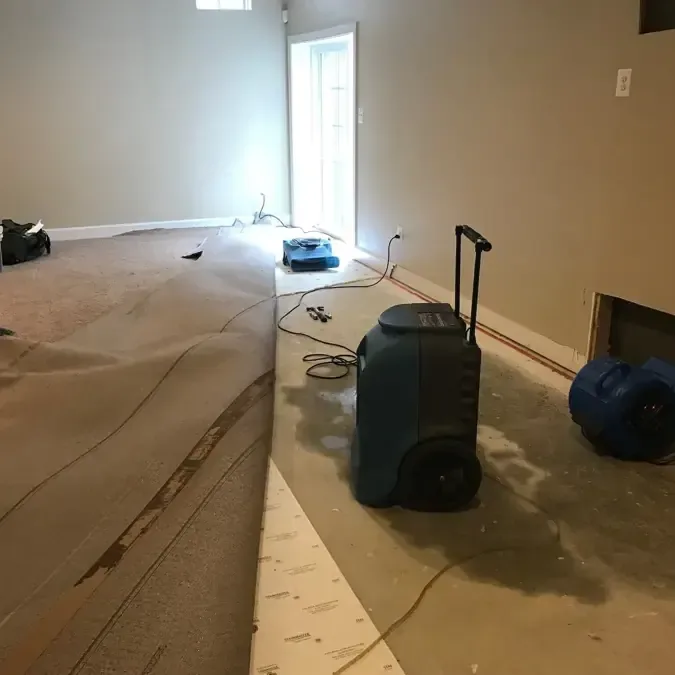
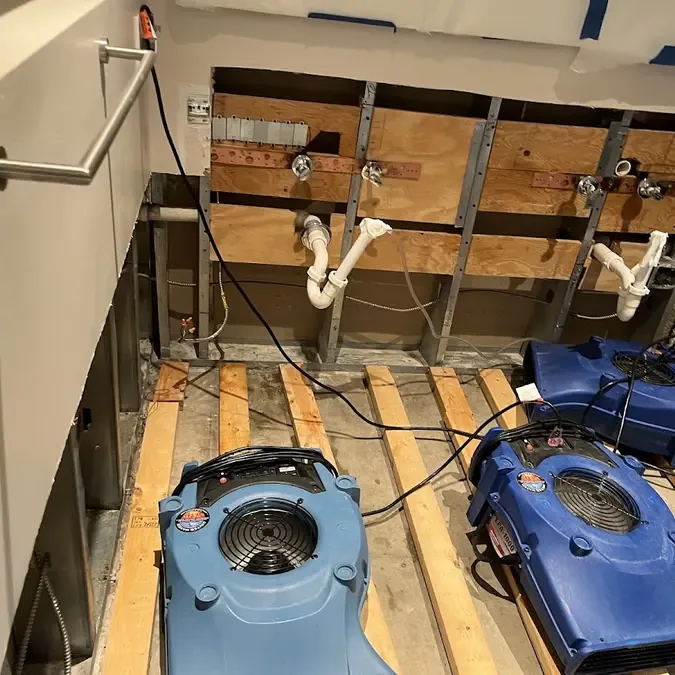
Water removal, material access and controlled drying
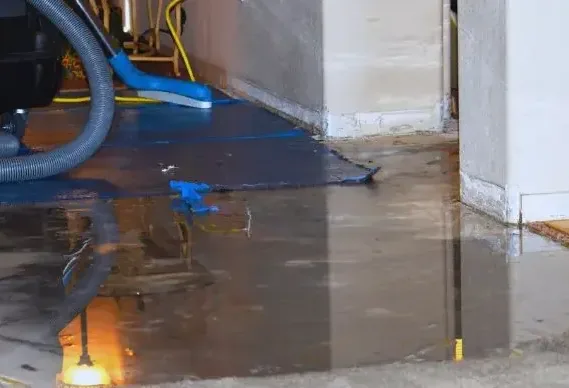
Water cleanup across South Plainfield
Describe the property before the damage
A request from Samptown may involve a utility closet, while another near Park Avenue may involve an upstairs room. The actual water route determines the inspection.
Include the affected floor, access restrictions and whether the source is still active. Property details help organize the cleanup discussion before equipment and material decisions are made.
South Plainfield, NJ · [email protected]
(888) 471-9821Explain the affected spacesLocalities and familiar corridors
Listed borough ZIP
Other service areas
South Plainfield restoration cost factors
Restoration pricing depends on the amount of water, affected materials, contamination, access and drying complexity. These planning ranges describe building cleanup. Plumbing repairs, roof work and replacement finishes may require separate estimates after the wet area is examined.
Small accessible loss
- Limited wet footprint
- Accessible surface removal
- Focused moisture checks
Several affected assemblies
- Floor and wall inspection
- Multiple drying positions
- Selective material access
Broader building damage
- Connected room assessment
- Complex extraction access
- Expanded material handling
A written scope should identify equipment, removal work, monitoring and exclusions. The estimate can change when inspection reveals wet materials behind a finish or beneath a floor.
The drying record follows the building
An effective plan links the source, wet materials and final checks. The work proceeds through accessible water removal, material assessment and monitored drying, with changes explained as concealed conditions become visible during cleanup.
Safe observations make the first discussion useful
Keep access controlled
Children and pets should stay outside wet rooms, especially where outlets, unstable ceilings or wastewater make an apparently small spill unsafe to approach.
Locate the active source
A reachable supply shutoff can limit a plumbing release. Nobody should cross standing water or enter a hazardous utility area to operate a valve.
Record from dry ground
Photographs of the wet boundary, damaged belongings and visible source help establish the initial condition before extraction or material removal changes the scene.
Protect unaffected belongings
Dry possessions can be relocated along a clear route. Items exposed to sewage should remain separated from clean rooms until their handling is assessed.
Describe hidden routes
Mention water beside a doorway, inside a cabinet or beneath an upstairs bathroom. Those observations help direct checks beyond the obvious puddle.
Different water needs different handling
Supply water
A broken supply pipe may begin with relatively clean water, but elapsed time and contact with dirty materials affect the cleanup assessment.
Explore water removalUsed appliance water
A washer discharge or dishwasher overflow can carry residues into cabinets and flooring, requiring evaluation beyond the visible amount on the surface.
Inspect appliance pathwaysWastewater intrusion
Sewage needs a restricted work area, protective handling and careful decisions about porous belongings before ordinary room use can safely resume.
Explore backup cleanupDocuments for the claim discussion
Coverage depends on the policy and cause of loss. A clear cleanup record helps the owner explain what happened, what was wet and which work was completed.
- Photographs showing the initial wet room boundaries
- Notes about discovery and the visible source
- Itemized list of affected household belongings
- Receipts for emergency work and source repairs
- Drying records and the final cleanup scope
When paying for work directly
A self funded project still benefits from an itemized scope. Water removal, material disposal and equipment monitoring should be clear before finish repairs are selected.
Priority decisions can focus on stopping the release and stabilizing wet materials first. Decorative replacement choices follow the assessment of what is damaged and recoverable.
Plan before you call
Rain entry and indoor releases
Bound Brook runs through South Plainfield, and Cedar Brook joins it southwest of Spring Lake. Indoor plumbing failures require attention alongside water entering during severe weather.
September 2, 2021: During the remnants of Ida, the National Weather Service recorded a South Plainfield rainfall report of 9.00 inches at midnight.
Rain driven entry
After heavy rain, a wet room needs an entry assessment covering doors, lower walls and overhead openings. The entry route determines which concealed surfaces need attention.
Drainage setting
Cedar Brook and Bound Brook are local waterways. At a wet property, visible sediment, entry marks and ongoing inflow help establish the practical cleanup sequence.
Household supply releases
New Jersey American Water serves customers in the borough. Inside a building, a leaking supply pipe calls for isolation and examination of adjoining finishes.
Wastewater returning indoors
A drain backup can affect storage and porous floor coverings. Keeping that area separate prevents contaminated footwear and belongings from spreading the cleanup boundary.
Emergency access changes
Everbridge provides local alerts covering severe weather, road closures and evacuations. Current instructions should shape access decisions before anyone returns to a damaged property.
Questions about wet property
An unclear source still matters
A visible puddle, stain or dripping fixture is enough to begin a discussion about inspection and the next appropriate action.
(888) 471-9821Talk through the observationsWhat should be mentioned during the initial call?
The useful details are the affected room, when the water was discovered, whether it is still entering and any electrical or ceiling hazards. Access limitations also matter. Photographs can support the description, but nobody should enter an unsafe space to obtain them.
Does South Plainfield have a single common water problem?
The borough includes different properties and localities, including Avon Park and Holly Park. The assessment should follow the actual building and source. A supply leak, wastewater backup and rain entry have different cleanup needs even when the visible floor damage looks similar.
Is water removal enough to finish the job?
Extraction removes accessible liquid, while absorbent materials can retain moisture after the floor looks clear. Wall bases, subfloors and enclosed cavities need checks. Drying continues according to the materials and readings, followed by decisions about which finishes can be repaired or replaced.
Can belongings stay inside an affected room?
Some contents can be moved to a dry protected area, while others need separate cleaning or disposal assessment. Water source, material and exposure influence that decision. Keeping an inventory before movement helps connect damaged items with their original location and condition.
Who repairs the plumbing that caused a release?
Plumbing diagnosis and repair are separate from restoring the wet building. The cleanup scope should explain how source control is coordinated and when testing is appropriate. A repaired pipe does not remove moisture already absorbed by insulation, flooring or adjoining walls.
When should wet drywall be opened?
Opening decisions depend on stability, contamination and moisture inside the assembly. A ceiling that sags needs immediate access restrictions. For other areas, inspection determines whether useful drying access can be created while preserving sound material and protecting concealed electrical or plumbing components.
Will an insurance policy pay for restoration?
The insurer applies the policy terms to the cause and circumstances of the loss. Owners can preserve photographs, source repair records and an itemized cleanup estimate. The restoration record helps explain damage and work performed, but payment decisions remain with the insurer.
Can occupied rooms remain in use during drying?
That depends on the affected area, contamination and safe separation of equipment from occupants. Cords, hoses and removed finishes can change normal movement through a room. The work plan should identify usable spaces and any restrictions before household routines resume around the drying setup.
What shows that a room is ready for rebuilding?
Completion should include material readings, an account of removed finishes and a record of the remaining assembly. Appearance alone is insufficient. The repair plan can then address floor coverings, trim or wall finishes with the moisture condition documented before those surfaces are enclosed.
Start with the room that changed
Describe the water, the affected surfaces and the active source to begin planning the appropriate cleanup work.
(888) 471-9821Discuss a property water loss