New Brunswick Roof Leak Water Damage
A roof leak can travel along framing before a ceiling reveals it. New Brunswick interior restoration follows that route so soaked insulation, hidden wood and room finishes receive attention alongside the roof repair.
(888) 471-9821Trace rainwater through the ceiling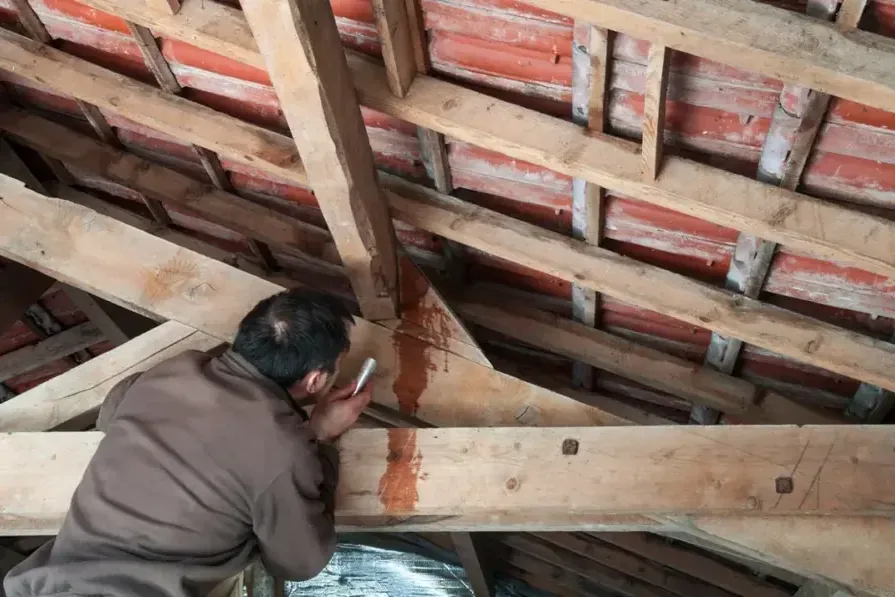
How the team handles roof leak water damage
Rapid local response
The response team treats active water as urgent and asks about the source, electrical hazards and occupied rooms. Dispatch planning starts with safe access and a clear description of the loss.
IICRC S500 drying standard
The drying team sets a moisture goal for each material, then balances extraction, airflow and dehumidification. Daily readings show where equipment needs adjustment and when drying can finish.
Claim-ready documentation
The restoration contractor records the water source, affected materials and work sequence. Photographs and moisture records explain the scope to the property owner and insurer without promising a coverage decision.
Local water experts
The mitigation team checks the actual building and follows water beyond the visible puddle. Adjoining rooms, floor edges and concealed cavities receive attention before finishes close over the structure.
First steps for roof leak water damage
Avoid climbing onto the roof
A wet roof or uncertain attic access is not a safe inspection route for residents. Roofing assessment should be arranged while occupants describe interior signs from accessible rooms.
Keep clear beneath deformation
A sagging ceiling can release material without warning. The area below should remain unused until a qualified assessment determines how to handle the wet overhead assembly safely.
Note the rain relationship
Recording when dripping began and whether it changed with rainfall helps the source investigation. Photos should show the affected interior surface without requiring contact with wet fixtures.
Coordinate repair and drying access
The roof contractor and restoration provider need the relevant findings from each task. Access openings should remain available until wet materials and the entry problem have been addressed.
A ceiling mark after rain is a starting point for inspection, not a complete map of the loss. Water may follow a rafter or collect above insulation before becoming visible indoors. The restoration assessment needs to connect that mark with the affected roof assembly and the materials between them. Covering the stain alone leaves those questions unanswered.
What does roof leak water damage cost in New Brunswick, NJ?
Roof leak restoration costs in New Brunswick depend on the interior water path, wet insulation and ceiling condition. A localized stain differs from a damp attic and several rooms below. Roofing work and replacement finishes should be separated from the interior cleanup estimate.
Small ceiling area
- Localized interior damage
- Limited material access
- Targeted moisture checks
Attic and room damage
- Wet insulation decisions
- Framing drying needs
- Connected ceiling assessment
Wider rain spread
- Several affected surfaces
- Expanded cavity access
- Broader equipment placement
Typical ranges depend on water category, wet area, access and material layers. The inspection defines the scope. Compare inputs with the water damage cost calculator.
The roof leak water damage process
Connect the stain with its source
Interior signs are mapped alongside the reported rain entry and roofing findings. Inspection follows accessible framing and ceiling areas to trace water into the room below.
Assess insulation and overhead finishes
Wet insulation, wallboard and trim receive separate material decisions. Safe access and controlled handling allow damaged surfaces to be removed where necessary without exposing occupants beneath unstable finishes.
Dry the retained roof assembly
Suitable equipment manages moisture in accessible framing and other retained materials after ongoing entry is controlled. Checks at several affected points help show whether the wet assembly is responding across its full extent.
Prepare an informed repair handoff
The completion notes describe remaining ceiling or insulation replacement and relevant moisture findings. Roofing correction and interior drying are kept connected so final decoration follows a resolved water path and an assessed assembly.
Follow the rain path inside
New Brunswick receives rainfall throughout the year without a marked wet or dry season. Repeated wetting can interrupt interior repairs unless the roof entry has been corrected. A roofing professional addresses the exterior defect, while the interior assessment identifies wet insulation, framing and finishes that remain after the rain stops.
Feaster Park, Lincoln Park and Fifth Ward are neighborhood references for arranging property access. The inspection at a particular home must use its actual roof and attic arrangement. Roof type, concealed access and insulation condition need to be established on site before choosing how to reach the damp assembly.
A rain stain can hide wet material above the room. Describe when dripping occurred, the ceiling condition and any roof repair already completed to focus the interior assessment.
(888) 471-9821Discuss the rain path indoorsInspect overhead materials without exposing occupants
Sagging wallboard and wet electrical fixtures require separation from the room below. Residents should not climb into an uncertain attic or press on a bulging ceiling to check it. Appropriate access lets the assessor evaluate the damage while protecting occupants from falling debris and electrical hazards.
- Record where rain first appeared and which nearby surfaces became stained.
- Keep furniture away from the area beneath visibly distorted ceiling finishes.
- Share roof repair details with the interior restoration provider before closure.
Insulation can hold water against neighboring materials and limit airflow. Its condition and exposure determine whether it can remain. Selective removal may reveal framing that needs drying and help distinguish an isolated stain from a wider wet cavity. That decision should be explained rather than hidden inside a general painting scope.
Connect drying with the final ceiling repair
A roof that no longer leaks does not instantly dry everything below it. Moisture readings in accessible framing and ceiling materials help assess progress. Where the assembly remains enclosed, planned openings may be needed to inspect or dry it effectively. Equipment placement should serve the wet materials rather than merely circulate room air.
The handoff to the repair contractor should identify removed insulation, damaged finishes and drying findings. If the loss involves a ceiling cavity, ceiling leak restoration explains the overhead safety and access issues. A connected sequence helps prevent replacement paint or wallboard from concealing moisture that remains after the exterior repair.
Roof leak water damage in New Brunswick
Roof leak assessments in New Brunswick focus on accessible interior damage and coordination with the roofing repair. Property contacts should describe attic access, ceiling changes and occupied rooms beneath the leak before restoration work is planned.
The same service nearby: roof leak water damage in Somerset, Piscataway, South Plainfield.
Water damage restoration in New Brunswick · every town covered
A rain stain can hide wet material above the room. Describe when dripping occurred, the ceiling condition and any roof repair already completed to focus the interior assessment. Call (888) 471-9821.
Related water damage services in New Brunswick



Roof Leak Water Damage questions in New Brunswick, NJ
Discuss the wet area
A rain stain can hide wet material above the room. Describe when dripping occurred, the ceiling condition and any roof repair already completed to focus the interior assessment.
(888) 471-9821Discuss the rain path indoorsWhy does the ceiling stain appear away from the roof defect?
Rainwater can run along framing, insulation or another concealed surface before dripping into the room. The visible mark therefore needs investigation beyond its immediate outline. Interior moisture checks and the roofer's findings should be considered together when establishing which materials need drying or selective access.
Can a ceiling be repainted after the roof is repaired?
Painting should follow assessment of the wet ceiling materials and any concealed moisture. A corrected roof stops new entry, but retained water may remain below it. The repair scope should address damaged finishes and drying readiness before stain treatment or new paint covers the affected surface.
Does all attic insulation need to be removed?
The decision depends on the wet area, material condition and ability to restore the assembly effectively. Inspection should identify affected insulation rather than assuming the entire attic is involved. Where removal is needed, the scope should explain its purpose and how surrounding framing will be checked afterward.
Should a bucket be placed beneath the drip?
A container may limit a small drip only when the location is safely accessible and the ceiling is stable. Residents should not stand beneath a bulging surface or near wet electricity to position it. Safety conditions take priority over protecting the floor from another small amount of water.
Who investigates whether rain or plumbing caused the stain?
The source assessment considers timing, nearby plumbing and the roof assembly. A stain alone cannot identify the responsible component. Relevant roofing or plumbing professionals may be needed to resolve the source, while restoration follows the resulting interior moisture and coordinates access for the necessary repair work.
What if the leak returns during drying?
Renewed entry changes the restoration conditions and should be reported promptly. The source repair needs reassessment, and moisture readings may need to be updated where new water traveled. Closing a cavity should wait until the ongoing problem and the condition of the affected materials have been addressed.
Look above the stain before repairing it
An interior moisture assessment can identify wet insulation and framing that still need attention after the exterior roof problem has been corrected.
(888) 471-9821Arrange an interior roof leak assessment