Water Damage Restoration Somerset, NJ
24/7 water damage restoration starts with safe access and stopping the spread. The restoration team extracts standing water, checks concealed moisture and dries affected materials to the IICRC S500 standard.
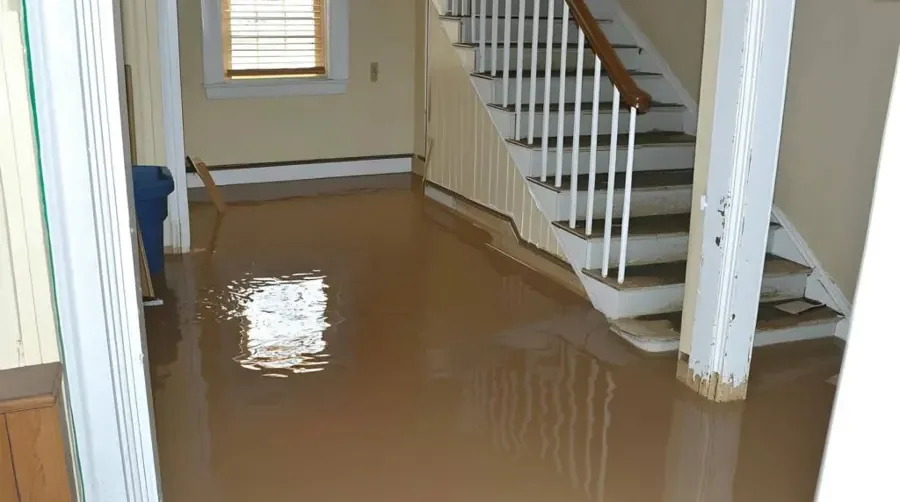
(888) 471-9821Get wet rooms assessedA wet floor needs more than a surface wipe. The drying team checks the layers underneath.
Water Damage Restoration Services in Somerset, NJ
A broken pipe, outside runoff and a sewage backup need different cleanup decisions. Each service starts with the source, the affected materials and safe access.
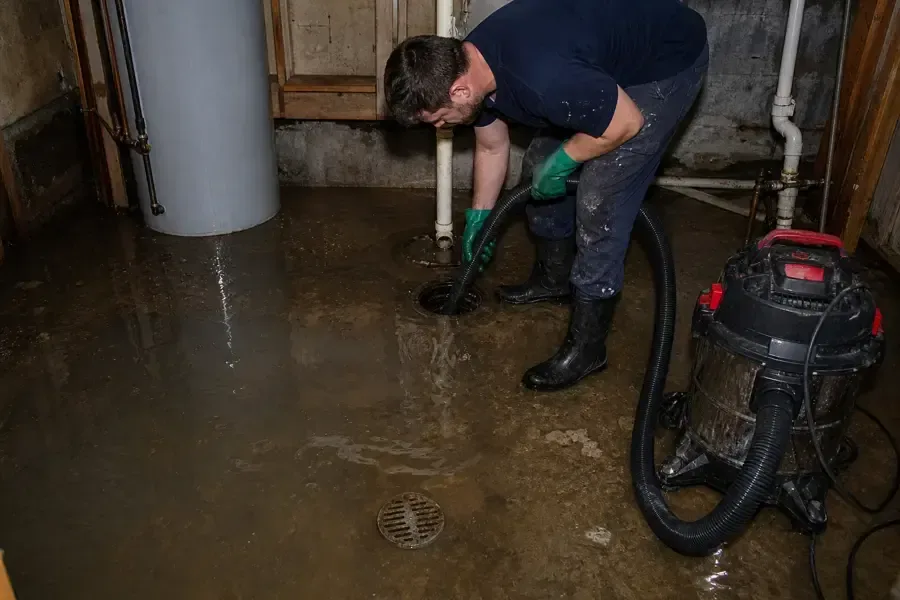
Water Extraction and Removal
Pumps and extraction tools remove standing water from floors before the drying team addresses moisture absorbed into surrounding materials.
Water Extraction and Removal details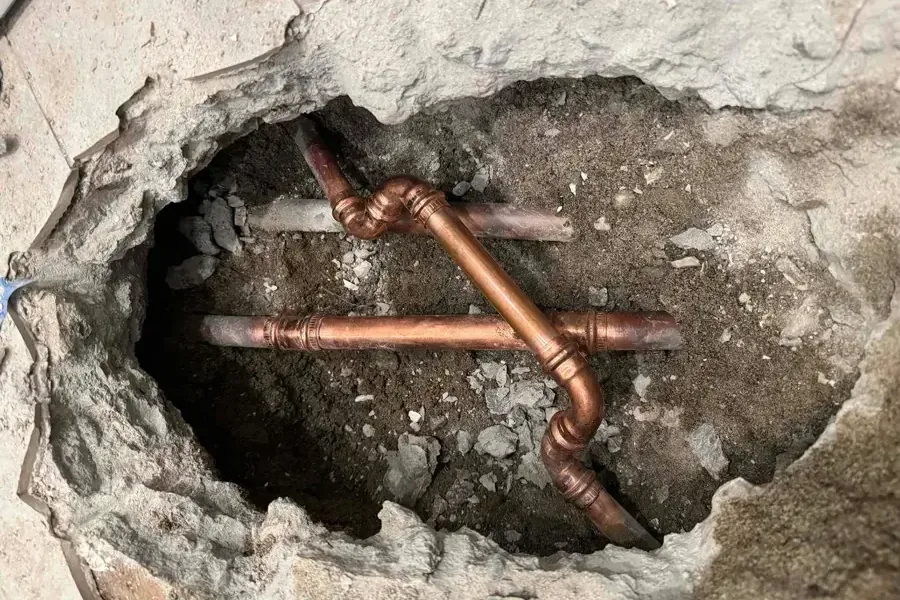
Slab Leak Water Damage
Persistent floor moisture calls for leak location, source repair and a drying plan that reaches beneath the finished surface.
Slab Leak Water Damage details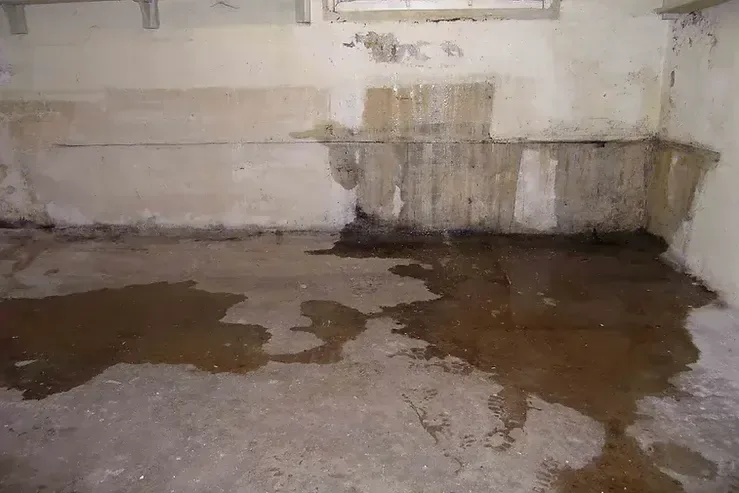
Sewage Backup Cleanup
Contaminated rooms need isolation, protected handling and removal of affected porous materials before cleaning and controlled drying.
Sewage Backup Cleanup details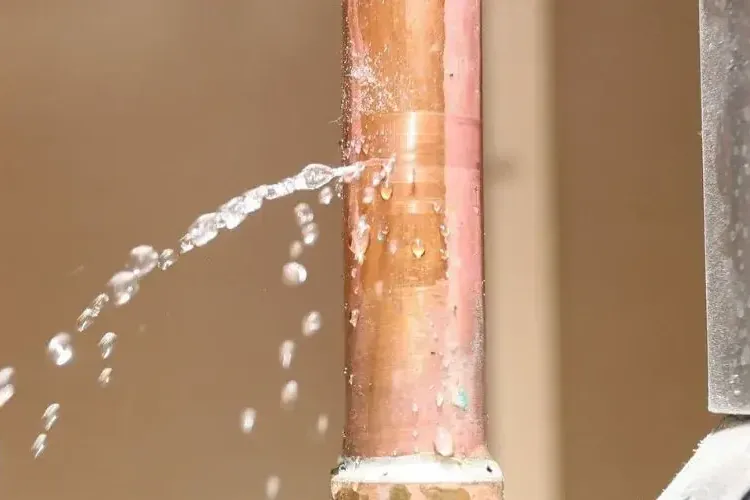
Burst Pipe Water Damage
A supply break can wet several rooms. The mitigation team follows the path through walls, ceilings and flooring.
Burst Pipe Water Damage details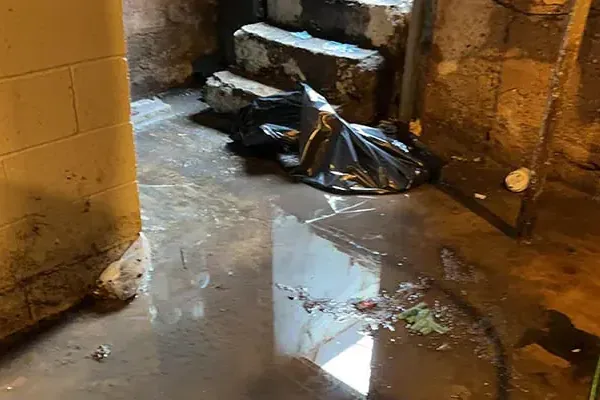
Storm and Flood Cleanup
Water entering from outside brings a different contamination problem. Safe reentry comes before pumping, removal and structural drying.
Storm and Flood Cleanup details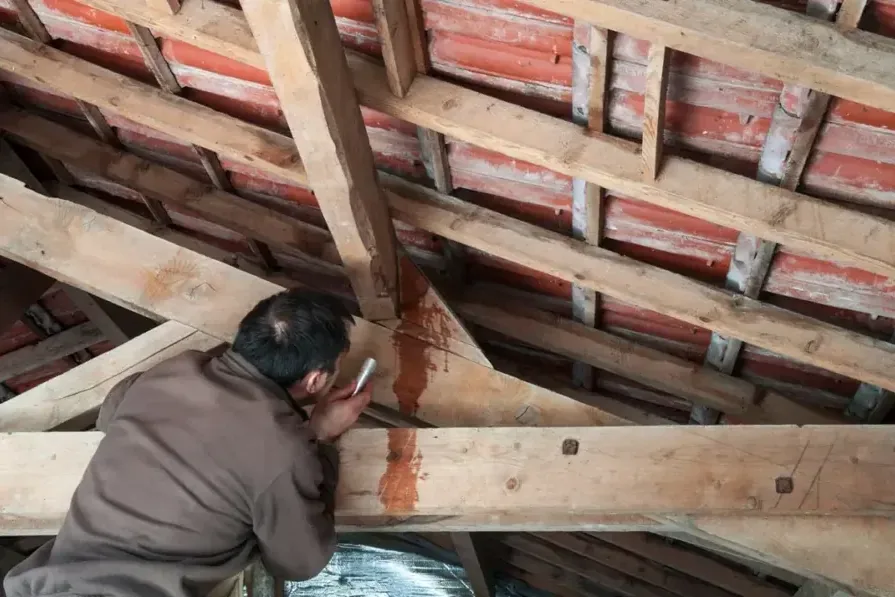
Roof Leak Water Damage
Rain can travel along rafters before appearing indoors. The assessment connects the attic path with the wet ceiling below.
Roof Leak Water Damage details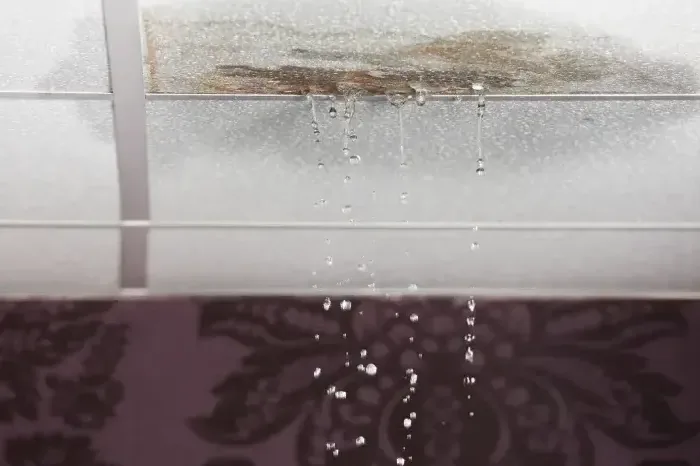
Ceiling Leak Water Damage
A ceiling stain can hide wet insulation and joists. The team coordinates source access before opening compromised material.
Ceiling Leak Water Damage details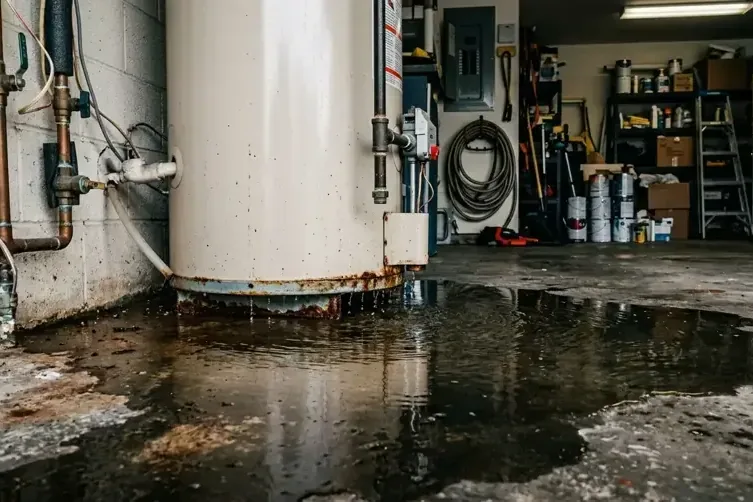
Water Heater Leak Cleanup
A tank leak spreads beyond the appliance footprint. Extraction and moisture readings include nearby wall bases and storage areas.
Water Heater Leak Cleanup details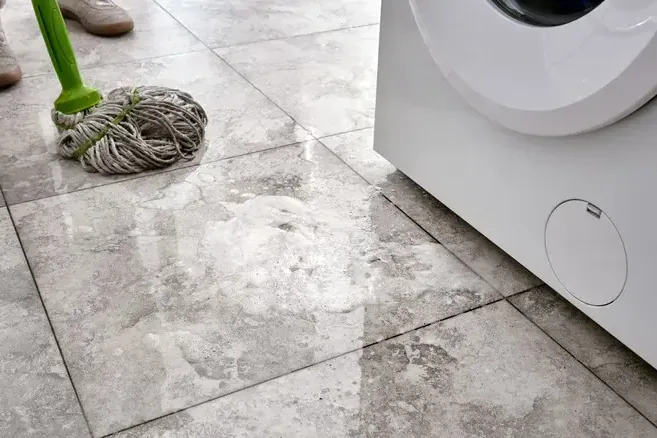
Appliance and Supply Hose Leaks
Water behind a washer or dishwasher can reach cabinets and adjoining flooring. Access matters as much as the visible puddle.
Appliance and Supply Hose Leaks details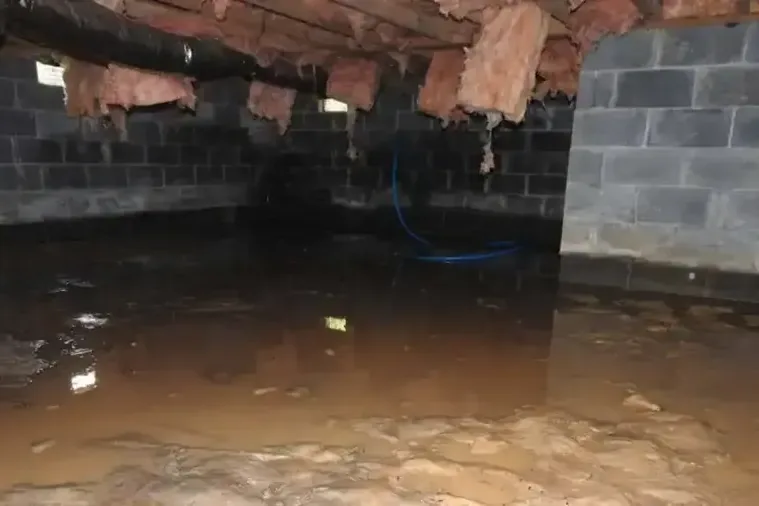
Crawl Space Water Removal
Underfloor water needs safe access, controlled removal and attention to wet insulation, joists and the source of recurring entry.
Crawl Space Water Removal details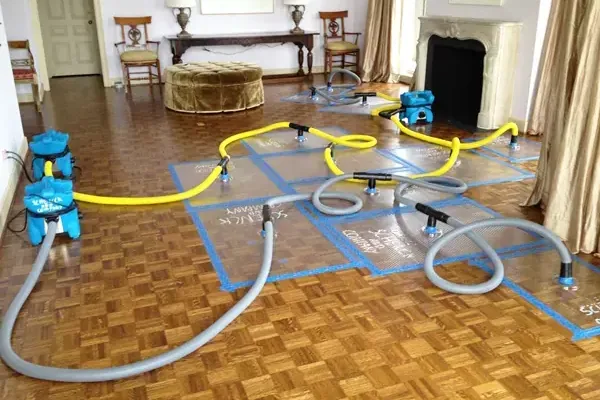
Structural Drying and Dehumidification
Airflow, dehumidification and moisture readings work together until the affected structure reaches its material-specific drying goal.
Structural Drying and Dehumidification details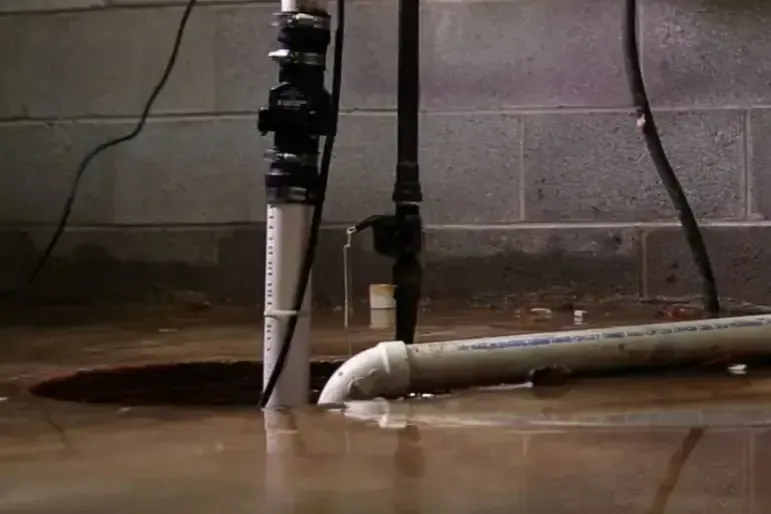
Basement Water Removal
Lower-level flooding requires electrical and structural checks before pumping, then drying at wall bases and beneath floor finishes.
Basement Water Removal details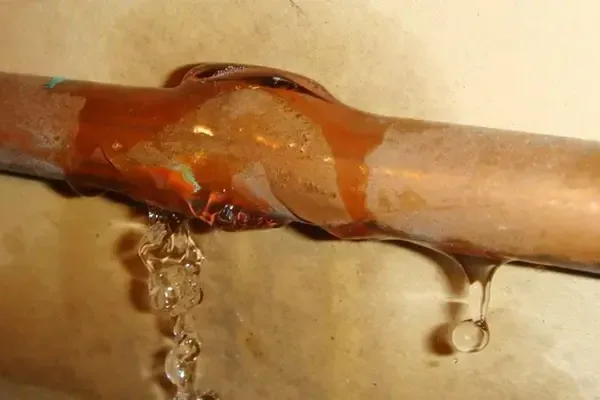
Frozen Pipe Water Damage
A split pipe may leak as it thaws. The response separates safe pipe repair from cleanup of wet building materials.
Frozen Pipe Water Damage details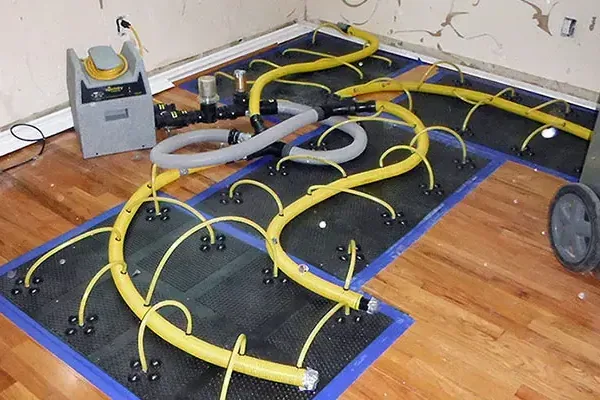
Hardwood Floor Water Damage
Wood and subfloor readings reveal absorbed moisture. Controlled drying supports a repair decision after the floor has stabilized.
Hardwood Floor Water Damage details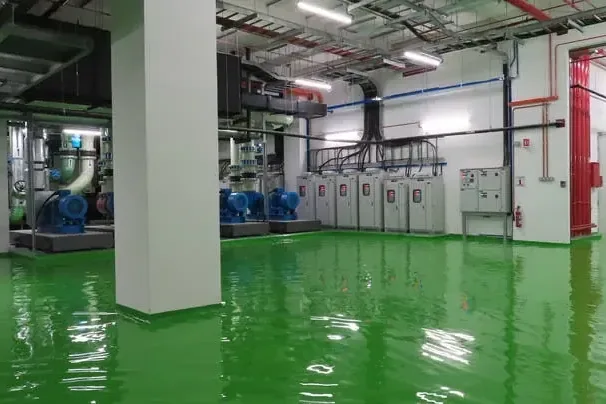
Commercial Water Damage
Building managers need a documented scope, protected access routes and a drying sequence coordinated around occupied and affected spaces.
Commercial Water Damage detailsHelp for wet rooms nearby
A practical response to a wet home
The mitigation team follows water into hidden layers, explains what needs removal and keeps drying decisions tied to readings from the building.
Rapid local response
The response team treats active water as urgent. Clear details about the source and safe access help organize extraction and the initial assessment.
IICRC S500 drying standard
The drying crew measures materials, selects equipment for the wet assembly and compares progress against a dry reference in the building.
Claim-ready documentation
The contractor records affected rooms, moisture readings and removal decisions. A clear scope supports the property owner during an insurance discussion.
Local water experts
The walkthrough looks at the actual property, whether it is near Hamilton Street, Easton Avenue or elsewhere in Somerset. The construction and the damage decide the scope.
How water damage restoration is handled
Assess the loss
The technician identifies the source, water category and affected materials. Moisture readings extend past visible stains to define the working area.
Remove bulk water
The extraction crew selects pumps and surface tools for the depth and flooring. Unsalvageable wet material comes out under the agreed scope.
Control the dry-out
The drying team balances air movement with dehumidification. Equipment placement changes when readings reveal a slow cavity or a wet floor layer.
Document the finish
Final readings show the condition of the structure. The contractor separates completed mitigation from remaining plumbing, roof or finish repairs.
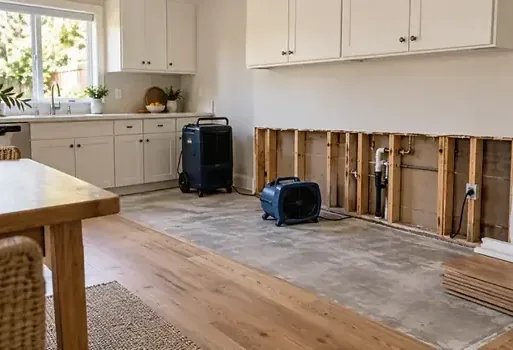
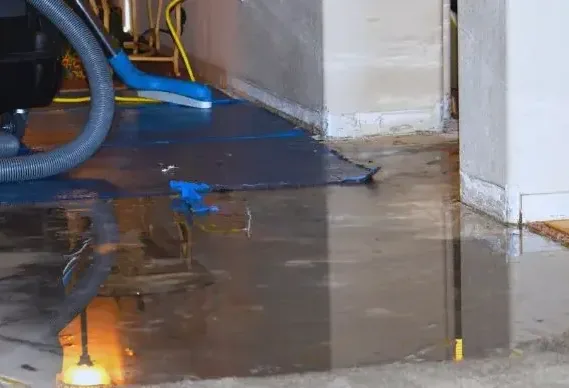
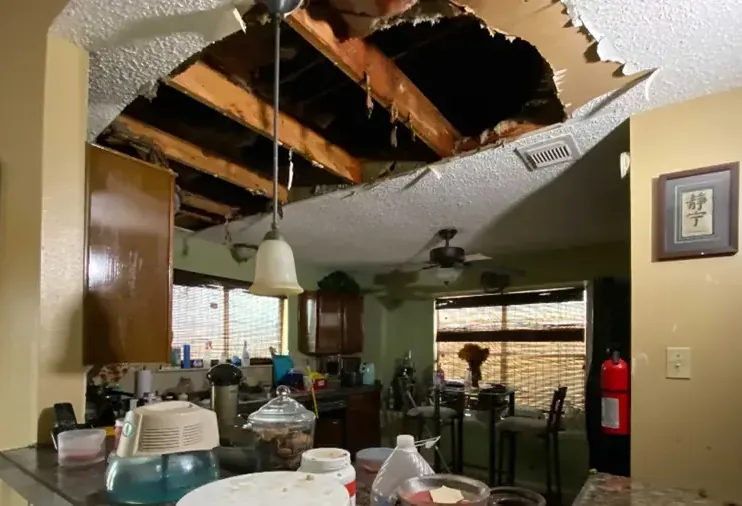
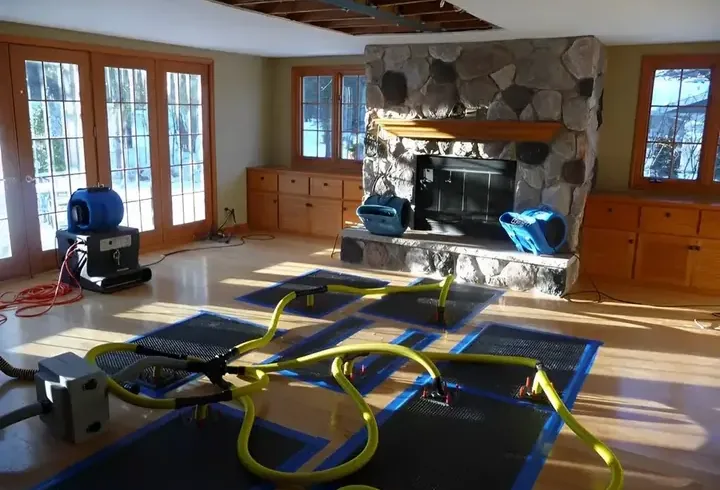
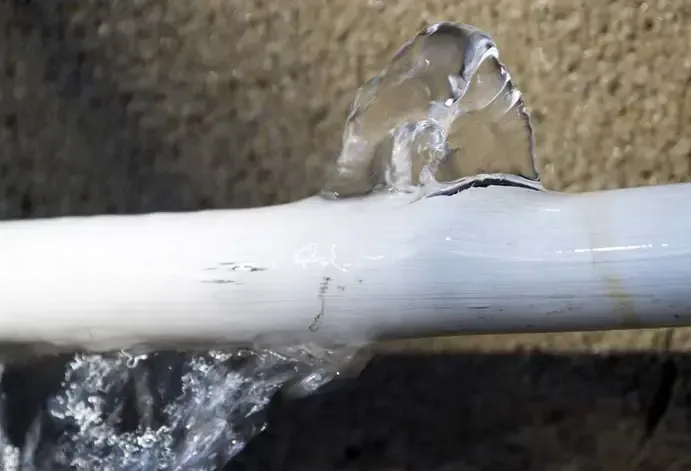
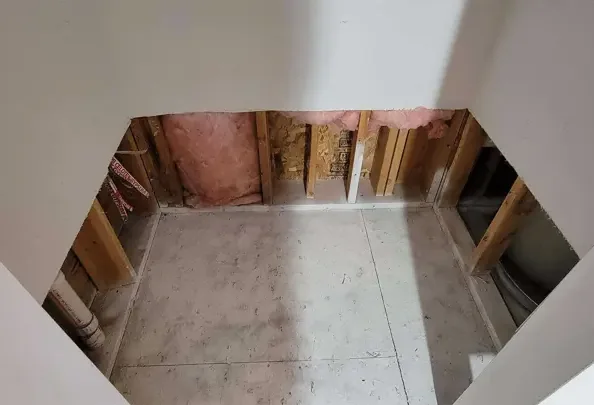
What a water damage dry-out looks like in Somerset
Water damage help across Somerset and nearby areas
Reach Somerset water damage help, 24/7
The community sits within Franklin Township in Somerset County. A description of the wet rooms and the water source helps the response team plan the assessment.
For a rented home or shared building, include the person who can authorize access. A clear entry plan helps the contractor inspect adjoining spaces safely.
Somerset, NJ · [email protected]
(888) 471-9821Discuss the wet propertyStreets and familiar places
Somerset service ZIP
Nearby communities
What does water damage restoration cost in Somerset, NJ?
Typical mitigation ranges from about $700 to $2,500 for a contained clean-water room, $2,500 to $7,000 for several wet rooms, and $7,000 to $18,000 for extensive or contaminated damage. The inspection determines the actual scope.
Contained room
- Accessible clean-water extraction
- Limited wet material layers
- Targeted equipment and checks
Several rooms
- Broader moisture mapping
- More equipment and monitoring
- Selective material removal
Complex loss
- Contamination or difficult access
- Multiple assemblies affected
- Documented removal and drying
The water category, wet area, building materials and delay before drying all affect the scope. The cost calculator provides a planning range; it does not replace an inspection.
Water damage dried to the IICRC S500 standard
The drying team maps moisture before choosing equipment. Extraction removes bulk water, air movers support evaporation and dehumidifiers capture vapor. Daily material readings show whether concealed areas are improving and when the drying goal has been reached.
What to do while the water is still moving
Keep the route dry
The household stays out of standing water near outlets, appliances or the electrical panel. Emergency services handle an immediate danger.
Stop an accessible supply
A safe, reachable shutoff can limit a plumbing leak. Nobody should cross a flooded room to reach the valve.
Leave unstable materials alone
Sagging ceilings and shifting walls need professional assessment. Poking holes or pulling wet finishes can release trapped water and debris.
Record the visible damage
Photographs from a safe position preserve the starting condition. Record the discovery time and the rooms affected before moving belongings.
Explain the source
The response team needs the water origin, whether it continues and any access restrictions. Unknown-source water deserves a cautious assessment.
All water damage categories covered in Somerset, NJ
Clean-source water
A fresh supply leak starts with a different contamination concern than sewage. Time, temperature and the materials touched can change the assessment.
See extraction methodsWater with contaminants
Appliance discharge and similar losses need careful evaluation. The mitigation crew considers dissolved material, contact time and whether porous finishes remain salvageable.
Address appliance waterSewage and outside floodwater
Category 3 losses require controlled access and protective handling. Affected porous materials usually need removal before the remaining structure receives cleaning and drying.
Understand sewage cleanupDocumentation for your insurance claim
The restoration contractor builds a record of the damage and the work. Photos and measurements help explain why particular rooms, materials and equipment belong in the scope.
- Timestamped photographs before material removal
- Room-by-room moisture map and source notes
- Water category and affected material assessment
- Daily equipment and drying-progress records
- Itemized cleanup scope and completion readings
Check the policy directly
The insurer decides coverage. A sudden pipe break, recurring seepage and outside flooding can fall under different policy provisions, exclusions or separate coverage.
The property owner should preserve receipts and speak with the insurer about reporting requirements. Documentation supports that conversation without promising payment for any particular loss.
Plan before you call
Local setting, practical inspection priorities
Somerset combines homes, commercial properties and familiar corridors within Franklin Township. The restoration assessment follows the actual source and wet materials, with local weather shaping prevention priorities.
Local water setting: Van Wickle House stands beside the Delaware and Raritan Canal. The Raritan River also borders the Rutgers Preparatory School setting near Easton Avenue.
Cold-season supply leaks
Cool to cold winters make exposed plumbing worth checking. A suspected frozen section needs safe isolation and a repair professional before the thaw releases more water.
Humid summer drying
Hot, humid summers can slow evaporation into an untreated room. The drying team controls indoor humidity while tracking moisture in the affected materials.
Water beneath the finish
A small kitchen puddle can reach the cabinet base or floor layers. Inspection continues beyond the visible edge before the scope is set.
Rain entry above rooms
Roof entry can follow framing before a stain appears. The contractor traces the wet path and coordinates source repair before enclosing the cavity.
Different building uses
Homes, offices and other occupied spaces need different access arrangements. Equipment placement protects walkways while the team checks the full moisture footprint.
Water damage restoration questions
Water still spreading indoors?
The response team needs the source, affected rooms and any hazards. Describe what is visible from a safe position.
(888) 471-9821Talk through the wet areasWhat should happen first after a water leak?
Safety and source control come first. The household keeps clear of wet electrical equipment and unstable ceilings. A safe shutoff can limit a supply leak. The extraction crew then assesses the water category and affected materials before choosing removal equipment.
How long does structural drying take?
A straightforward clean-water loss often needs several days, but layered flooring, insulation and enclosed cavities can extend the work. The drying team follows material readings against a dry reference. Equipment removal depends on those readings, not a calendar promise.
Does a dry-looking floor mean the work is finished?
No. Moisture can remain beneath flooring, behind baseboards and inside wall cavities after the surface looks dry. The technician checks the affected assemblies and nearby reference materials. Drying records show whether hidden moisture has reached the target.
Can wet drywall stay in place?
The restoration contractor considers contamination, swelling, strength and access to the cavity. Some clean-water drywall can dry in place. Compromised or contaminated material needs removal. The inspection also checks insulation and framing behind the finish before a repair plan closes the wall.
How is a sewage backup different from a supply leak?
Sewage brings Category 3 contamination and requires restricted access, protective equipment and controlled disposal. The crew removes affected porous materials and cleans remaining surfaces before drying. Ordinary fans should not spread contamination from the affected room into occupied areas.
What does the insurance record include?
The contractor records the source description, affected rooms, initial photographs, moisture map and drying progress. An itemized scope explains removal and equipment decisions. The insurer reviews coverage under the policy; a restoration record documents the work without deciding the claim.
Is Somerset a separate city?
Somerset is an unincorporated community and census-designated place in Franklin Township, Somerset County. Service here includes ZIP 08873. The property location and access details help the response team identify the building while the walkthrough determines the cleanup scope.
Can cleanup begin before the pipe or roof repair is complete?
The mitigation contractor coordinates with the source-repair trade. Safe extraction and protection may begin while repair arrangements proceed, but ongoing entry can undo drying progress. The written scope should distinguish stopping the leak, drying materials and replacing damaged finishes.
What should a tenant tell the property manager?
Report the discovery time, affected rooms, visible source and any water reaching another unit. Keep photographs taken safely and share access restrictions. The manager and restoration contractor coordinate permission, neighboring spaces and the repair trades needed to stop the loss.
A soaked room needs a clear next step
Describe the source and wet materials. The response team plans safe extraction and a measured dry-out.
(888) 471-9821Start with the water source