Water Heater Leak Cleanup in Somerset, NJ
Water around a tank can reach wall bases, storage and nearby floor layers. The restoration crew removes escaped water and checks the surrounding structure while the appliance professional isolates and repairs or replaces the heater.
(888) 471-9821Assess the tank-area water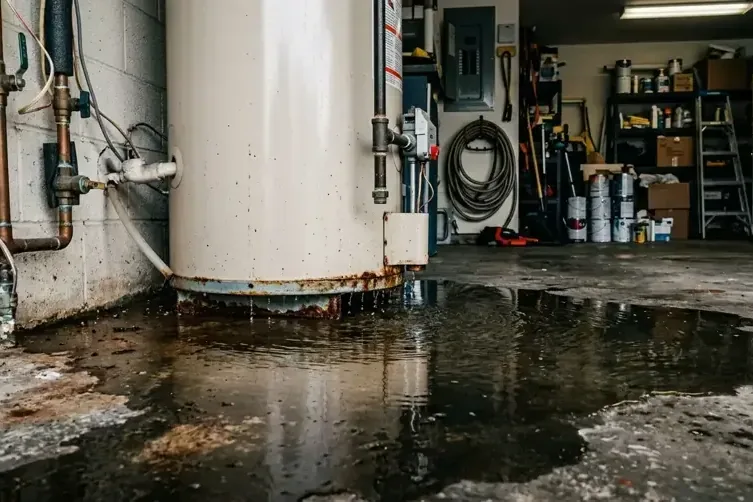
How the team handles water heater leak cleanup
Rapid local response
The response team treats active water as urgent and asks about the source, electrical hazards and occupied rooms. Dispatch planning starts with safe access and a clear description of the loss.
IICRC S500 drying standard
The drying team sets a moisture goal for each material, then balances extraction, airflow and dehumidification. Daily readings show where equipment needs adjustment and when drying can finish.
Claim-ready documentation
The restoration contractor records the water source, affected materials and work sequence. Photographs and moisture records explain the scope to the property owner and insurer without promising a coverage decision.
Local water experts
The mitigation team checks the actual building and follows water beyond the visible puddle. Adjoining rooms, floor edges and concealed cavities receive attention before finishes close over the structure.
First steps for water heater leak cleanup
Stay clear of controls
The household avoids wet electrical connections and hot water. A service professional handles unfamiliar shutoff or fuel controls and confirms the safe work conditions.
Describe the spread
The response team asks where water has traveled from the tank. Mention wet storage, a nearby doorway and any room sharing the equipment-space wall.
Protect dry contents
Light belongings can move from an unaffected route when safe. The crew assesses wet boxes and heavy items that could conceal water around the base.
Coordinate the trades
The owner gives the appliance professional and cleanup contractor access to each other’s scope. That coordination prevents a new tank from blocking necessary material drying.
A water heater combines water with electrical or fuel connections. Occupants should not handle wet wiring, hot discharge or unfamiliar controls. The appliance professional establishes safe isolation. The cleanup team needs that status before working around the tank, removing wet material or placing equipment in a confined closet.
What does water heater leak cleanup cost in Somerset, NJ?
Water-heater leak mitigation usually ranges from $700 to $2,000 for an accessible hard floor, $2,000 to $5,000 with wet walls or flooring, and $5,000 to $9,000 when water reaches several spaces. Tank repair or replacement is additional.
Accessible spill
- Water extraction
- Base-area inspection
- Limited drying
Closet and finishes
- Wall-base access
- Layered-floor assessment
- Monitored dehumidification
Spread into rooms
- Expanded moisture map
- Several drying locations
- Completion records
Typical ranges depend on water category, wet area, access and material layers. The inspection defines the scope. Compare inputs with the Somerset water damage cost calculator.
The water heater leak cleanup process
Confirm safe isolation
The appliance professional addresses energy and water connections. The restoration technician documents surrounding moisture and checks whether water is still entering the affected space.
Recover the escaped water
The extraction crew clears accessible water and inspects beneath removable contents. The contractor identifies wet finishes or platforms that require additional access before drying.
Dry around the appliance area
The team balances air movement and dehumidification with service access. Measurements include adjacent wall bases and floor edges so the work does not stop at the tank outline.
Coordinate the replacement finish
Final readings and photographs show the condition around the appliance footprint. The owner can schedule remaining tank, platform or finish work with a clear record of completed mitigation.
Look beyond the puddle at the tank
A tank or connection leak can send water behind trim and into the adjoining room before it becomes obvious at the base. The technician checks the closet threshold, wall bases and any stored items that kept water against a finish. The inspection also distinguishes an active leak from water remaining after isolation.
Whether the property is around Easton Avenue, Hamilton Street or Guglielmo Marconi Memorial Park, equipment access starts with the actual heater location. The team does not assume a garage, basement or closet arrangement from a neighborhood name. The appliance layout and wet material layers determine the scope.
- Tell the team whether the tank has been isolated.
- Identify water reaching a nearby room or cabinet.
- Keep discharge and appliance service access unobstructed.
- Photograph the platform and wall condition before replacement equipment blocks the view.
- Identify wet storage items that held water against the room perimeter or appliance base.
- Keep the appliance isolation and replacement details with the separate structural drying report.
Water at a tank can hide in the platform and adjoining walls. Explain the appliance status and where the spill traveled so the whole affected area receives attention.
(888) 471-9821Discuss the heater-room damageDrying a confined heater space
A small equipment space can contain wet drywall, a wood platform or layered flooring that holds moisture. The crew may need selective access to dry around the base safely. Equipment placement must preserve the appliance professional’s access and avoid creating an obstruction in the household route.
The drying technician measures the wall and floor beyond the visible ring of water. Dehumidification controls vapor while air movement reaches exposed wet surfaces. A replacement tank should not conceal an unresolved moisture problem in the platform or wall behind it.
- Record the condition beneath stored boxes before moving them.
- Check both sides of a shared closet wall when accessible.
- Coordinate replacement timing with the drying work.
Keeping appliance work and mitigation clear
The appliance professional handles the tank failure and connections. The restoration contractor documents extraction, removal and drying. The owner benefits from a scope that identifies each responsibility, especially if replacing the tank changes access to the wet platform.
The EPA household moisture guidance explains the importance of drying affected materials. The Ready.gov flood safety information covers electrical hazards around water. Specific heater controls and repairs belong with the qualified service professional.
- Retain the heater diagnosis and replacement record.
- Ask for moisture readings around the old tank footprint.
- Check adjoining floors before the cleanup equipment leaves.
Water heater leak cleanup in Somerset
Service covers Somerset ZIP 08873, including homes around Easton Avenue, Hamilton Street and Franklin Boulevard. The response team checks access, active water and affected rooms before planning equipment. Somerset is a community within Franklin Township.
Nearby service areas include New Brunswick, Piscataway, Somerville, Middlesex and South Plainfield.
Water at a tank can hide in the platform and adjoining walls. Explain the appliance status and where the spill traveled so the whole affected area receives attention. Call (888) 471-9821.
Related water damage services in Somerset



Water Heater Leak Cleanup questions in Somerset, NJ
Discuss the wet area
Water at a tank can hide in the platform and adjoining walls. Explain the appliance status and where the spill traveled so the whole affected area receives attention.
(888) 471-9821Discuss the heater-room damageDoes replacing the heater finish the cleanup?
A new heater corrects the appliance problem but does not remove moisture already absorbed into the building. Wall bases, platforms and adjacent flooring may still need extraction or drying. The restoration assessment should occur before replacement equipment makes those materials harder to inspect or reach.
Can water travel into the next room?
Yes. Door thresholds, wall bases and floor layers can carry water beyond the equipment space. The technician checks connected areas rather than only the visible puddle. Report any damp carpet, swollen trim or water appearing on the other side of a shared wall.
Should the household operate the heater controls?
Only a safe, familiar action should be considered. Wet electrical components, fuel connections and hot discharge require professional handling. The response team needs to know whether isolation has been completed. Nobody should enter standing water or touch unfamiliar controls to help the cleanup start sooner.
Can the new tank sit on a damp platform?
The platform condition needs assessment before it is covered or loaded again. The drying technician documents moisture and physical damage, while the appliance professional determines installation requirements. Coordinating both scopes helps avoid placing new equipment over material that still needs drying or replacement.
What makes the cleanup price increase?
Water spreading into several rooms, layered flooring, damaged wall bases and restricted equipment access all add work. The estimate should distinguish mitigation from heater replacement. Moisture mapping and documented removal needs explain why the cleanup boundary may extend beyond the small area around the tank.
Which records belong in the claim file?
Keep the appliance diagnosis, discovery photos, replacement or repair invoice, and mitigation measurements together. The insurer reviews the cause and policy terms. The contractor records affected materials and drying work, but the presence of a failed tank alone does not decide whether each expense receives coverage.
Dry the space around the failed tank
The restoration team checks the appliance footprint, nearby walls and connected floors after safe source isolation.
(888) 471-9821Plan tank-area drying