Water Heater Leak Cleanup in Piscataway
Water around a heater can disappear under a closet wall before it forms a large puddle. Piscataway cleanup checks the tank area and connected floor edges after the equipment is safely isolated for repair.
(888) 471-9821Discuss the wet heater area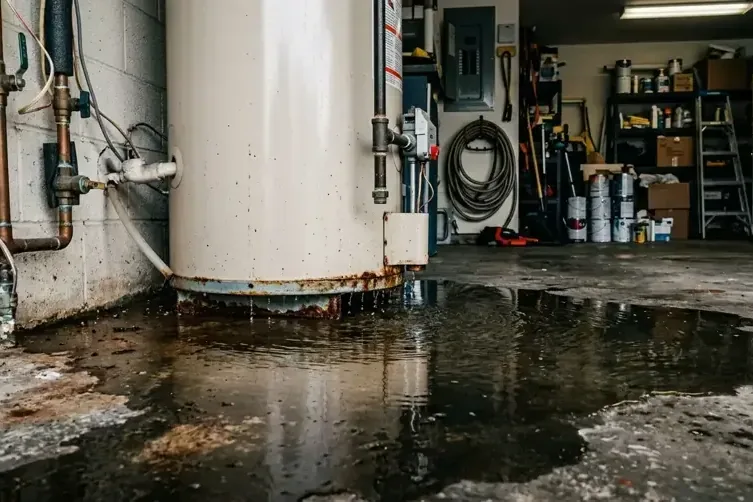
How the team handles water heater leak cleanup
Rapid local response
The response team treats active water as urgent and asks about the source, electrical hazards and occupied rooms. Dispatch planning starts with safe access and a clear description of the loss.
IICRC S500 drying standard
The drying team sets a moisture goal for each material, then balances extraction, airflow and dehumidification. Daily readings show where equipment needs adjustment and when drying can finish.
Claim-ready documentation
The restoration contractor records the water source, affected materials and work sequence. Photographs and moisture records explain the scope to the property owner and insurer without promising a coverage decision.
Local water experts
The mitigation team checks the actual building and follows water beyond the visible puddle. Adjoining rooms, floor edges and concealed cavities receive attention before finishes close over the structure.
First steps for water heater leak cleanup
Avoid wet equipment controls
Keep clear of components that cannot be reached safely from dry ground. Describe the water around the heater and arrange appropriate source assessment before operating unfamiliar controls.
Note where water has traveled
Look from safe positions at the closet threshold and adjoining room. Photograph wet floor edges and any belongings that were touching the affected surface around the tank.
Prepare access information
Explain whether the heater is enclosed, crowded by storage or beside an occupied room. Those details help coordinate repair access with removal of water and affected materials.
Keep replacement timing connected
Ask that exposed floor and wall materials be assessed while equipment access is available. Drying needs should be understood before a replacement heater limits entry to the enclosure again.
A heater leak in Randolphville, Arbor or Fieldville needs attention to the room around the equipment, not just the tank. Water may collect inside the enclosure and then travel through a threshold or beneath nearby trim. Inspection should include those connected surfaces even when the central puddle has already been wiped away.
What does water heater leak cleanup cost in Piscataway, NJ?
Piscataway heater leak cleanup estimates reflect enclosure access, wet floor layers and spread beyond the utility area. These ranges concern water damage recovery. Heater repair or replacement, reconnection and new finishes should be listed separately so the owner can assess the full sequence of work.
Accessible spill
- Open tank surroundings
- Limited floor moisture
- Focused extraction work
Closet and finishes
- Restricted enclosure access
- Wet trim removal
- Adjacent layer checks
Spread into rooms
- Connected flooring damage
- Wider drying arrangement
- More contents handling
Typical ranges depend on water category, wet area, access and material layers. The inspection defines the scope. Compare inputs with the water damage cost calculator.
The water heater leak cleanup process
Assess heater access and runoff
Inspection considers safe entry around the equipment and the water route out of its enclosure. The source repair plan helps determine when hidden floor and wall areas can be reached.
Extract and uncover affected edges
Accessible water is removed while stored contents are evaluated for movement. Selective access reveals damp materials behind trim or along the transition into an adjoining occupied room.
Use the equipment access window
When repair work exposes the tank footprint, the underlying surfaces are checked. Findings determine whether additional removal or drying is needed before equipment again occupies the utility space.
Record enclosure drying and repairs
The final assessment describes retained material conditions and remaining finish work. Equipment installation and restoration completion are coordinated so unresolved moisture is not hidden behind the repaired or replaced heater.
Make room for safe source work
The heater's fuel or electrical components and the temperature of escaped water can affect access. Leave equipment controls alone when wet conditions make them unsafe to reach. A qualified repair trade should evaluate isolation and the failed component. Restoration work can then address water already released without treating tank replacement as a substitute for drying.
Stored belongings often crowd a utility space. Items can hide wet wall bases or prevent inspection behind the tank. Light dry contents may be relocated through a safe route, but heavy equipment should stay in place until the repair and removal sequence is arranged. The cleanup plan needs to account for that restricted access.
Water around a heater may have reached beyond its enclosure. Describe the tank location, nearby flooring and replacement plans so cleanup can use the available repair access effectively.
(888) 471-9821Assess the utility spaceInspect the enclosure before closing it again
A drain pan or visible concrete surface may show only part of the escape. Check the surrounding floor, closet walls and doorway for moisture travel. If a heater must be removed, the exposed space can provide access to previously hidden surfaces. Coordinating that moment helps avoid reinstalling equipment over materials that still need attention.
- Inspect wall bases behind stored items beside the heater enclosure.
- Check the doorway transition for water beneath connected floor coverings.
- Photograph concealed damage revealed when equipment access becomes available.
Swollen trim, damaged flooring or wet insulation may require selective removal. The decision should reflect the material's condition and the ability to dry it. Water extraction clears accessible liquid, while the enclosure and adjacent assemblies may need additional moisture control after the tank area looks clean.
Coordinate drying with replacement access
A new heater can restrict access to the same wall and floor surfaces that were just exposed. The owner should understand whether those materials are ready before installation proceeds. Drying measurements, source repair timing and the room's access needs belong in the same discussion so necessary work is not covered prematurely.
Completion should distinguish the equipment repair from the interior damage recovery. Keep the repair invoice, photographs of the tank area and the drying findings together. Any damaged floor covering or trim can then be addressed as finish work, with a clear record of the retained material condition beneath and beside the replacement equipment.
Water heater leak cleanup in Piscataway
Heater leak damage assessments in Piscataway include enclosed utility spaces and adjoining rooms. Mention equipment access limits, stored belongings and any damp flooring beyond the tank area when discussing the cleanup and drying scope.
The same service nearby: water heater leak cleanup in Somerset, Middlesex, South Plainfield.
Water around a heater may have reached beyond its enclosure. Describe the tank location, nearby flooring and replacement plans so cleanup can use the available repair access effectively. Call (888) 471-9821.
Related water damage services in Piscataway



Water Heater Leak Cleanup questions in Piscataway, NJ
Discuss the wet area
Water around a heater may have reached beyond its enclosure. Describe the tank location, nearby flooring and replacement plans so cleanup can use the available repair access effectively.
(888) 471-9821Assess the utility spaceDoes replacing the heater remove the water damage?
Replacement addresses the failed equipment, while escaped water can remain in surrounding floors and walls. Those materials need their own inspection. Coordinating the work while the tank area is accessible helps identify concealed dampness before new equipment limits access to the enclosure and its adjoining finishes.
Can the tank be moved to reach the puddle?
A heater should be handled by the appropriate repair trade because connections, weight and equipment condition affect safe movement. Describe the access problem during the assessment. Restoration work can then be sequenced around planned removal or repair instead of attempting to shift connected equipment for cleanup.
Why check the room outside the utility closet?
Water can pass beneath a threshold or partition before it becomes obvious in the next room. Adjacent floor coverings may absorb it at their edges. Inspecting those connections helps define the actual damage footprint and identify material moisture that a quick cleanup around the tank would miss.
What if the visible floor is concrete?
Inspect the concrete tank area together with the surrounding materials. Wall bases, stored items and connected floor coverings may still be wet. The inspection should consider all contacted surfaces and check whether the water escaped beyond the open concrete area before deciding that only surface extraction is needed.
Should a wet storage box remain beside the heater?
Move through a dry route only and avoid handling contents exposed to unsafe equipment conditions. A saturated box may need separate contents assessment and should not block inspection of the wall or floor behind it. Photograph affected items before relocation so their original contact with the water is recorded.
What should be checked before the enclosure is finished?
The water source needs resolution, retained materials need suitable moisture conditions and any damaged substrate must be identified for repair. The closing record should include surfaces exposed during equipment work. That information helps coordinate replacement trim, flooring or enclosure panels without hiding a wet or physically damaged layer.
Dry the enclosure before finishes hide it
Inspection around the tank and connected rooms establishes the material work that remains after the leaking equipment is repaired or replaced.
(888) 471-9821Arrange heater area cleanup