Burst Pipe Water Damage in Piscataway
Pressurized water can cross a room before the leak is discovered. In Piscataway, burst pipe cleanup follows spray, runoff and concealed wet edges after the failed supply has been safely isolated.
(888) 471-9821Discuss the pipe escape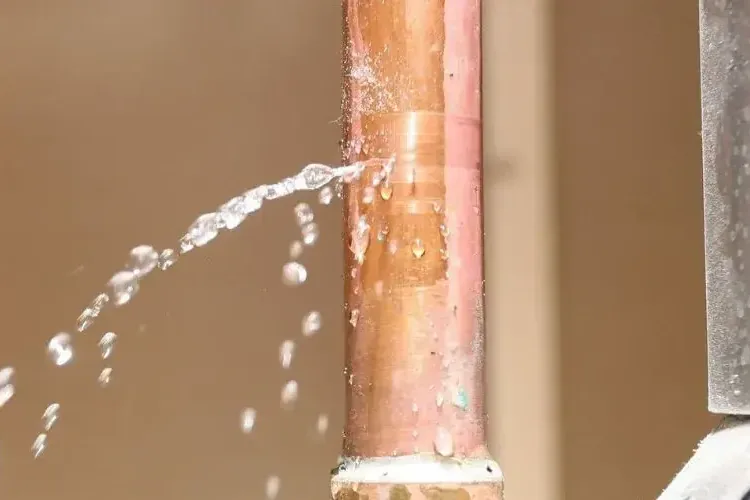
How the team handles burst pipe water damage
Rapid local response
The response team treats active water as urgent and asks about the source, electrical hazards and occupied rooms. Dispatch planning starts with safe access and a clear description of the loss.
IICRC S500 drying standard
The drying team sets a moisture goal for each material, then balances extraction, airflow and dehumidification. Daily readings show where equipment needs adjustment and when drying can finish.
Claim-ready documentation
The restoration contractor records the water source, affected materials and work sequence. Photographs and moisture records explain the scope to the property owner and insurer without promising a coverage decision.
Local water experts
The mitigation team checks the actual building and follows water beyond the visible puddle. Adjoining rooms, floor edges and concealed cavities receive attention before finishes close over the structure.
First steps for burst pipe water damage
Locate safe supply isolation
Identify an accessible shutoff from a dry position. If reaching it requires contact with standing water or wet equipment, keep clear and describe the access problem.
Keep the spray area empty
Do not stand beneath wet ceiling material or beside damaged electrical fixtures. Move people away while the source and room condition are assessed.
Mark the visible spread
Photograph walls, floor edges and contents from safe positions. Include rooms below or beside the break if water has appeared outside the original space.
Retain repair information
Keep the damaged component record and repair invoice when available. These details help connect the cause with the separate cleanup, drying and finish repair work.
A supply failure in Newtown may spray a wall, while a concealed break in Bound Brook Heights may first appear at a floor edge. The cleanup response follows the observed escape. Arbor is another township area where the property layout, pipe location and wet materials shape the inspection rather than the neighborhood name.
What does burst pipe water damage cost in Piscataway, NJ?
Burst pipe restoration in Piscataway varies with the water path, cavity access and number of affected levels. The planning ranges below address interior water damage. Pipe repair and replacement finishes should be identified separately so the owner can assess the complete recovery cost.
One room
- Localized wet finishes
- Accessible extraction area
- Focused material checks
Walls and floors
- Cavity access needs
- Layered floor drying
- Broader removal scope
Multi-level spread
- Connected ceiling damage
- Several drying zones
- Expanded moisture tracking
Typical ranges depend on water category, wet area, access and material layers. The inspection defines the scope. Compare inputs with the water damage cost calculator.
The burst pipe water damage process
Connect the break to damage
Inspection starts at the pipe location and follows spray and runoff. Adjacent rooms are checked where water could cross a threshold or enclosed partition.
Recover water from reachable areas
Extraction addresses pooled liquid while contents are evaluated for movement. The room layout determines how equipment reaches wet surfaces without obstructing essential dry access.
Expose moisture that remains trapped
Openings are proposed where retained assemblies cannot otherwise be assessed or dried. Their purpose and extent are explained before affected finishes are removed.
Track drying through the assembly
Consistent readings show changes in the remaining materials. Final observations identify completed drying, repair access areas and any finish work still needed after equipment removal.
Separate pipe repair from the water footprint
Stopping pressure prevents fresh water from enlarging the loss. An accessible valve can be identified from a dry area, but nobody should reach across wet electrical equipment to operate it. The repair trade evaluates the damaged pipe. Restoration then checks the surfaces reached before isolation, including elevated spray marks and low collection points.
The first room may hide connections to other wet spaces. Water can pass beneath doors, enter wall bases or drip through a ceiling below. Note which fixtures or rooms were in use when the failure was noticed. That history helps organize the inspection without replacing direct checks of the affected assemblies.
A repaired break can leave a complicated wet footprint. Describe where the pipe failed and where water appeared so the cleanup discussion includes connected rooms and hidden materials.
(888) 471-9821Map the pipe damageFollow both the spray and the runoff
High contact areas may include shelves, insulation and wall finishes above the floor. Runoff can then collect in carpeting, closets or beneath cabinets. The material assessment should consider both paths before extraction ends. Contents near the pipe need separate inspection because a dry looking exterior may conceal moisture inside an absorbent object.
- Check adjoining closets and recesses along the wet room boundary.
- Record openings that provide access to damp enclosed building materials.
- Protect dry furniture before moving wet items through the room.
Selective openings can expose trapped water without removing every finish in the room. The proposed scope should explain why a section needs access and what will remain. If the escape reached another level, ceiling leak cleanup may be part of the restoration plan for the space below.
Keep the drying record tied to the damaged materials
After extraction, airflow and humidity control address moisture still held by the building. Repeat readings belong at consistent locations along the affected path. Equipment may need adjustment as open surfaces dry faster than enclosed edges. A room that feels comfortable can still contain damp material requiring further access or monitoring.
Before finish repairs, the owner should understand the pipe repair status, the condition of retained materials and any areas left open for drying. Photographs of the failure and its spread help distinguish the source work from restoration. The final scope should also identify damaged belongings and repairs that remain outside the drying work.
Burst pipe water damage in Piscataway
Burst pipe damage work in Piscataway considers the actual building layout, including adjoining rooms and affected lower levels. Mention any inaccessible valve, wet ceiling or shared service area when describing the loss.
The same service nearby: burst pipe water damage in Somerset, Middlesex, South Plainfield.
A repaired break can leave a complicated wet footprint. Describe where the pipe failed and where water appeared so the cleanup discussion includes connected rooms and hidden materials. Call (888) 471-9821.
Related water damage services in Piscataway



Burst Pipe Water Damage questions in Piscataway, NJ
Discuss the wet area
A repaired break can leave a complicated wet footprint. Describe where the pipe failed and where water appeared so the cleanup discussion includes connected rooms and hidden materials.
(888) 471-9821Map the pipe damageIs a repaired pipe enough to make the room usable?
The repair stops the source, but water already released may remain in flooring, walls and contents. Those materials need a separate assessment. The room's return to use depends on safe access, the drying setup and any damaged finishes that still require removal or repair after plumbing work ends.
Why inspect above the wet floor?
A pressurized break may spray insulation, shelving or wall surfaces before water reaches the floor. Those higher contact areas can retain moisture independently of the puddle. Inspection should follow visible spray marks and the pipe location as well as low points where runoff gathered during the escape.
Can a small break cause concealed damage?
The opening size alone does not describe the amount of water released or where it traveled. A leak concealed in a cavity can wet several materials before becoming visible. The assessment uses the observed spread and material condition to define the scope instead of relying on the appearance of the break.
Should damaged belongings be discarded immediately?
Photograph them first when safe and keep an inventory of the affected room. Some items may be recoverable while others have absorbed too much water or suffered physical damage. Assess handling and disposal decisions before contents leave the property so the damage record remains useful for later discussions.
How is water beneath a cabinet checked?
Accessible cabinet edges, toe spaces and adjacent flooring can provide inspection points. If moisture is trapped beyond reach, selective access may be needed. The plan should explain whether the cabinet can remain, what material is wet beneath it and how drying progress will be measured in that area.
What if another damp spot appears during drying?
A newly visible spot should be assessed before the work boundary is considered final. It may reveal an overlooked water path or an unresolved source problem. Record its location and timing, then include the affected material in the inspection so the drying plan reflects the full loss.
Follow the escape beyond the broken pipe
Source isolation, careful inspection and measured drying turn a sudden pipe failure into a defined sequence of recovery work.
(888) 471-9821Arrange burst damage assessment