Frozen Pipe Water Damage in Piscataway
A thaw can reveal a pipe split that was previously hidden by ice. Piscataway cleanup follows the released water into wall cavities, floor edges and rooms below after the supply is isolated safely.
(888) 471-9821Discuss water after thawing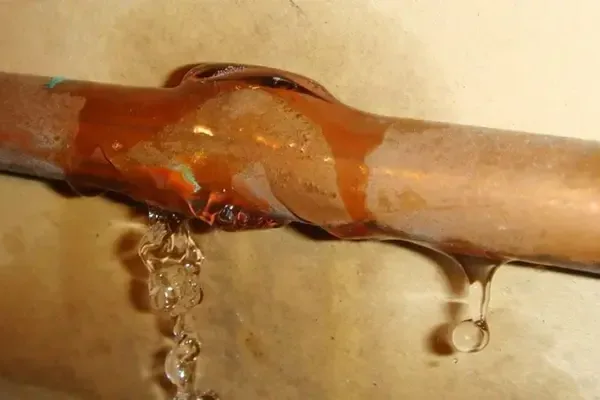
How the team handles frozen pipe water damage
Rapid local response
The response team treats active water as urgent and asks about the source, electrical hazards and occupied rooms. Dispatch planning starts with safe access and a clear description of the loss.
IICRC S500 drying standard
The drying team sets a moisture goal for each material, then balances extraction, airflow and dehumidification. Daily readings show where equipment needs adjustment and when drying can finish.
Claim-ready documentation
The restoration contractor records the water source, affected materials and work sequence. Photographs and moisture records explain the scope to the property owner and insurer without promising a coverage decision.
Local water experts
The mitigation team checks the actual building and follows water beyond the visible puddle. Adjoining rooms, floor edges and concealed cavities receive attention before finishes close over the structure.
First steps for frozen pipe water damage
Avoid improvised pipe heating
Do not use an open flame or reach into wet concealed spaces to warm plumbing. Arrange appropriate source evaluation and describe any flow change or water appearing during thawing.
Identify a safe shutoff route
Mention whether a supply valve can be reached from a dry area. Keep clear when wet electrical components or unstable materials block access to the isolation point.
Record the first wet location
Photograph the room edge, cabinet or ceiling where water appeared. Note connected rooms and any period when the affected space was unoccupied before the leak became visible.
Keep repair openings accessible
Coordinate the plumbing visit with inspection of wet insulation and framing. The surrounding assembly may need drying after the pipe is repaired and before wall finishes close the cavity.
For a property in New Market, Randolphville or Society Hill, a suspected freeze related leak should be assessed at the damaged supply and its surrounding construction. The visible drip may begin only after water moves again. Cleanup needs to account for moisture released inside enclosed spaces before it reaches the occupied room.
What does frozen pipe water damage cost in Piscataway, NJ?
Frozen pipe cleanup costs in Piscataway depend on the concealed water path, affected room finishes and access after plumbing repair. These ranges describe the interior damage work. Pipe replacement, changes around the pipe and reconstruction should be itemized separately from extraction, removal and monitored material drying.
Contained thaw leak
- Limited water escape
- Accessible pipe surroundings
- Focused material recovery
Cavity and room damage
- Wet insulation access
- Connected finish damage
- Broader drying checks
Extended concealed loss
- Several hidden sections
- Multiroom moisture mapping
- Expanded removal work
Typical ranges depend on water category, wet area, access and material layers. The inspection defines the scope. Compare inputs with the water damage cost calculator.
The frozen pipe water damage process
Assess the thaw and escape history
The assessment records when flow changed and where water appeared. Isolation and repair access are coordinated before the wet footprint is traced through surrounding materials.
Inspect the concealed supply area
Open repair locations provide access to insulation and framing beside the failure. Adjoining rooms and lower ceilings are checked where the released water may have traveled farther.
Remove liquid and dry retained layers
Extraction and selective removal prepare the affected assembly for moisture control. Equipment reaches the remaining surfaces while repeat readings identify progress in enclosed edges and connected flooring.
Coordinate closure with source recovery
The final assessment separates completed material drying from plumbing and finish work. Openings remain part of the repair plan until the source status and retained assembly condition are understood.
Handle the supply problem before testing the room
Restricted flow or a suspected frozen section needs appropriate plumbing evaluation. Avoid using an open flame or applying improvised heat to concealed pipework. If a safe accessible shutoff can be operated from dry ground, isolation can limit further escape. Wet electrical components or uncertain access require the area to remain clear while help is arranged.
Once the failure is exposed, the repair trade evaluates the damaged supply. The restoration inspection follows water from that point into nearby materials. An opened wall for pipe access may reveal damp insulation, while the floor below can show a separate spread. Both areas need consideration even if only one produced a visible puddle.
Water appearing during a thaw can hide a larger cavity loss. Describe the first drip, supply repair status and connected rooms so inspection follows the escape beyond the exposed pipe.
(888) 471-9821Assess the thaw leak pathCheck spaces that received water before discovery
An unoccupied room or enclosed cabinet may conceal a leak until it reaches a threshold. Ask which areas were last checked and when the first change appeared. That history supports the inspection of wall bases, closets and adjoining rooms. The cleanup footprint should reflect material findings rather than the length of pipe that needed replacement.
- Check insulation beside the repaired pipe for absorbed escaped water.
- Inspect the ceiling below if the break occurred above another room.
- Document damp floor edges before replacement trim closes the access.
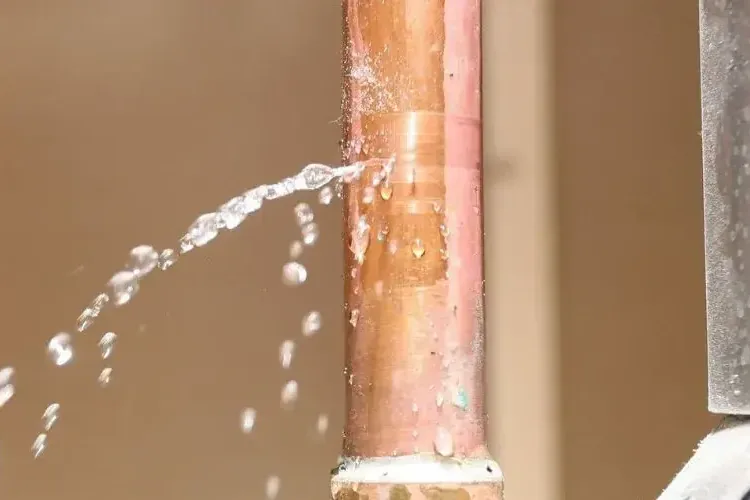
Burst pipe restoration addresses the broader escape pattern when pressurized water sprays after thawing. The freeze related assessment also needs to consider whether other sections remain inaccessible or await plumbing evaluation. The owner should know the limits of the repaired source before interpreting a stopped drip as a complete recovery.
Dry the cavity and plan the permanent repair
Extraction removes reachable liquid while wet insulation and damaged finishes are evaluated for removal. Retained framing and connected floor layers require repeat moisture checks. Equipment should have a path to those surfaces; blowing air at the outside of a closed wall may leave the damp layer untouched inside the assembly.
Reconstruction belongs after the source is resolved and retained materials are ready. The repair trade can address the conditions surrounding the damaged pipe, while restoration records show the interior drying results. Keep those tasks coordinated so insulation or new wall finishes do not hide an unresolved leak or moisture that still needs access.
Frozen pipe water damage in Piscataway
Frozen pipe damage assessments in Piscataway follow the repaired supply and adjoining building materials. Mention inaccessible sections, unoccupied rooms and any ceiling or floor change that appeared as water flow returned during thawing.
The same service nearby: frozen pipe water damage in Somerset, Middlesex, South Plainfield.
Water appearing during a thaw can hide a larger cavity loss. Describe the first drip, supply repair status and connected rooms so inspection follows the escape beyond the exposed pipe. Call (888) 471-9821.
Related water damage services in Piscataway


Frozen Pipe Water Damage questions in Piscataway, NJ
Discuss the wet area
Water appearing during a thaw can hide a larger cavity loss. Describe the first drip, supply repair status and connected rooms so inspection follows the escape beyond the exposed pipe.
(888) 471-9821Assess the thaw leak pathWhy did water appear only after the weather warmed?
A damaged pipe may not release visible water until frozen sections thaw and flow resumes. The appearance of a drip should prompt source assessment and inspection of surrounding materials. Water may already have entered the cavity before it becomes visible at a ceiling seam or floor edge in the room.
Can the pipe be heated with a torch?
An open flame is not an appropriate household response to a suspected frozen pipe. Concealed construction and nearby materials create additional hazards. Arrange a qualified plumbing assessment and keep the area clear if water or electrical conditions make access unsafe, while documenting visible changes from a safe position.
Does the repaired section show the whole wet footprint?
The plumbing opening identifies the source work, but escaped water can travel beyond it. Insulation, floor layers and rooms below may also be affected. Restoration should trace those materials and establish where moisture remains after the supply is repaired, rather than ending the inspection at the new pipe connection.
What if the leak happened in an unused room?
The time of discovery may differ from the start of the escape. Describe when the room was last checked and which surfaces first showed a change. That information helps organize inspection of concealed edges and adjoining spaces, while material readings establish the damage that is actually present during assessment.
Can new insulation be installed immediately after repair?
The surrounding retained materials should be assessed for moisture before insulation closes access. Wet framing or remaining damaged layers may need drying or removal first. Coordinate the repair sequence so the plumbing work, moisture findings and replacement insulation are understood together before the wall or other enclosure is finished.
What helps prevent a drying opening from being closed too early?
A clear handoff should identify the material locations still being monitored and the work remaining around the pipe. Keep photographs and drying observations with the repair records. The reconstruction plan can then account for both the resolved source and suitable conditions in the retained assembly before new finishes are installed.
Restore the materials surrounding the repaired supply
A coordinated plan keeps wet insulation, framing and floor layers accessible until their condition supports the next stage of permanent repairs.
(888) 471-9821Arrange thaw damage assessment