South Plainfield Water Heater Leak Cleanup
A wet utility floor may be the first sign of a tank problem, while the surrounding walls have already absorbed water. South Plainfield heater leak cleanup examines that spread alongside safe equipment isolation and separate plumbing repair.
(888) 471-9821Discuss water around the tank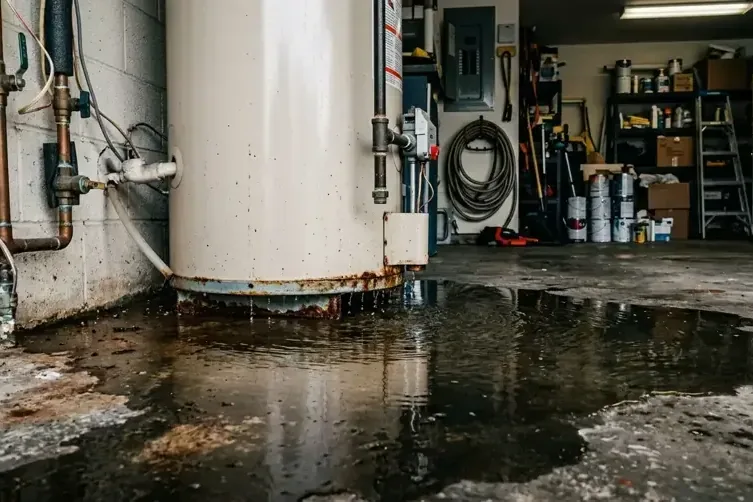
How the team handles water heater leak cleanup
Rapid local response
The response team treats active water as urgent and asks about the source, electrical hazards and occupied rooms. Dispatch planning starts with safe access and a clear description of the loss.
IICRC S500 drying standard
The drying team sets a moisture goal for each material, then balances extraction, airflow and dehumidification. Daily readings show where equipment needs adjustment and when drying can finish.
Claim-ready documentation
The restoration contractor records the water source, affected materials and work sequence. Photographs and moisture records explain the scope to the property owner and insurer without promising a coverage decision.
Local water experts
The mitigation team checks the actual building and follows water beyond the visible puddle. Adjoining rooms, floor edges and concealed cavities receive attention before finishes close over the structure.
First steps for water heater leak cleanup
Stay outside unsafe equipment areas
Observe the leak from dry ground and keep occupants clear of hot water or wet utility components. Unfamiliar controls should be left for the appropriate equipment professional.
Describe the tank surroundings
Mention whether the heater sits in a closet, garage or another accessible space. Include shelving, storage and adjoining floor coverings that may limit inspection or water removal.
Track the doorway spread
Note any wet hallway, room edge or wall beside the equipment area. Those observations help define the moisture inspection beyond the pool immediately surrounding the tank.
Coordinate access before replacement
Discuss cleanup access with the source professional so a replacement tank does not conceal wet material that still needs inspection, removal or a usable drying surface behind it.
Water around a heater can come from the tank or a connected component, and the surrounding building needs attention regardless of which part failed. South Plainfield water heater cleanup begins with safe access to the equipment area, then checks how far the release has reached beyond the visible pool.
What does water heater leak cleanup cost in South Plainfield, NJ?
South Plainfield heater leak restoration costs reflect the release footprint, closet access and affected floor layers. These ranges cover building cleanup. Tank diagnosis, replacement equipment and plumbing work should be listed separately so the owner can understand what remains after the water is removed.
Accessible spill
- Open utility floor
- Limited edge inspection
- Focused water removal
Closet and finishes
- Enclosed material access
- Wet wall assessment
- Threshold drying work
Spread into rooms
- Connected flooring checks
- Broader contents handling
- Multiple drying positions
Typical ranges depend on water category, wet area, access and material layers. The inspection defines the scope. Compare inputs with the water damage cost calculator.
The water heater leak cleanup process
Assess equipment safety
Source information and utility access are assessed before restoration work begins around the tank, keeping building cleanup coordinated with the professional handling isolation and heater repair.
Map the surrounding materials
Moisture checks follow the release into closet edges, adjoining thresholds and floor layers, identifying where equipment placement or storage could conceal surfaces requiring further inspection.
Recover and expose
Accessible liquid is removed and affected finishes are evaluated. Necessary openings are planned around the equipment work so wet materials remain reachable during the drying stage.
Record the final condition
Repeat material checks establish the remaining cleanup needs and document repair readiness, with heater work, building restoration and replacement finishes clearly separated in the closing scope.
Treat the utility area as a restricted work space
Hot water, electrical components and fuel equipment can make a utility room unsuitable for casual entry. A qualified professional should assess isolation and source repair. Nobody should reach through water around the tank to operate unfamiliar controls. The owner can report the visible condition from dry ground and identify affected adjoining rooms.
At a property in Samptown, a heater in an enclosed closet would create different handling needs from a tank in an open utility space. The cleanup plan needs the actual access width and surrounding materials. Wet storage or shelving can obstruct inspection and hold water against wall bases even after the floor is cleared.
Explain where the heater sits and which surrounding surfaces became wet. Mention utility concerns and any planned tank replacement so cleanup access can be coordinated before equipment covers the affected area.
(888) 471-9821Assess the tank spill footprintFollow the release under the threshold
A shallow tank leak can escape through a closet doorway and travel beneath flooring. For a home in Avon Park, the moisture map should include the nearby hallway or room when the surfaces connect. Inspection at trim, floor seams and cabinet ends can reveal retained water that a quick mop around the heater leaves behind.
- Check lower wall surfaces where the tank release remained against absorbent finishes.
- Examine thresholds that separate the equipment area from occupied household rooms.
- Record wet contents before moving them away from the source compartment.
New Jersey American Water serves customers in South Plainfield. For the indoor loss, the assessment still centers on the specific tank, connections and shutoff conditions at the building. The source professional's findings help establish when continued leakage stopped, allowing the restoration record to distinguish active entry from moisture already held in the materials.
Finish the building recovery after equipment work
Replacing a failed heater can remove the source but leave the original floor and wall damage behind the new installation. Cleanup coordination should preserve access to those wet surfaces. Some materials can dry after extraction, while absorbent finishes or enclosed layers may need additional opening or removal before the new equipment blocks access.
Near Stelton Road, a utility room assessment can connect the source repair with water extraction and subsequent structural drying. The owner should receive an account of the wet boundary, material decisions and remaining repair work rather than treating the new tank as proof that the entire incident has been resolved.
Water heater leak cleanup in South Plainfield
Water heater cleanup in South Plainfield can involve Holly Park and properties near New Durham Road. The initial description should include equipment location, utility hazards and any water that has escaped into adjoining occupied rooms.
The same service nearby: water heater leak cleanup in Somerset, Piscataway, Middlesex.
Water damage restoration in South Plainfield · every town covered
Explain where the heater sits and which surrounding surfaces became wet. Mention utility concerns and any planned tank replacement so cleanup access can be coordinated before equipment covers the affected area. Call (888) 471-9821.
Related water damage services in South Plainfield



Water Heater Leak Cleanup questions in South Plainfield, NJ
Discuss the wet area
Explain where the heater sits and which surrounding surfaces became wet. Mention utility concerns and any planned tank replacement so cleanup access can be coordinated before equipment covers the affected area.
(888) 471-9821Assess the tank spill footprintDoes water beside the tank mean the tank itself failed?
Connections and other components can also release water, so the source needs a qualified equipment or plumbing assessment. The restoration inspection focuses on the wet surroundings. Recording the diagnosed failure helps coordinate cleanup, but the visible puddle alone should not determine which heater component must be repaired.
Should the heater be moved before cleanup?
Moving equipment requires coordination with the appropriate professional and safe handling of its utilities. Access underneath or behind the tank may be important for restoration, but it should be planned with the source work. The cleanup scope can identify which surfaces need exposure before reinstallation or replacement.
Can a nearby closet wall remain wet behind a new tank?
Leaving wet material inaccessible can complicate recovery after the source has been replaced. The affected wall needs inspection and a drying or removal decision before equipment blocks it again. Coordinating those tasks helps avoid reopening the utility area simply to reach surfaces overlooked during tank replacement.
Why inspect outside the utility room?
Water can flow beneath a threshold or floor covering without leaving a large puddle in the next room. Shared wall edges also absorb moisture. Checks outside the equipment footprint determine whether the restoration boundary extends into a hallway, closet or other space connected to the original release.
Can the household mop the floor and wait?
A surface cleanup may remove a small visible pool while leaving water under finishes or beside utility components. Safe access and the source status need assessment first. Continued dampness, affected walls or water beneath a covering call for material checks rather than assuming the surface condition represents the whole loss.
What belongs in the cleanup estimate?
The estimate should describe extraction, affected material handling, drying access and monitoring. Equipment replacement and plumbing repairs should be distinguishable from those building tasks. If hidden wet layers expand the scope, the reason and proposed work should be documented before the owner selects replacement finishes.
A replacement heater does not dry the room
Inspecting floor layers and closet bases helps complete the building recovery after the failed equipment receives its own repair or replacement.
(888) 471-9821Discuss heater spill restoration