South Plainfield Crawl Space Water Removal
Water beneath a floor can remain out of view while insulation and framing stay wet. South Plainfield crawl space cleanup begins with access and utility conditions, then plans removal and drying around the actual underfloor assembly.
(888) 471-9821Discuss underfloor water access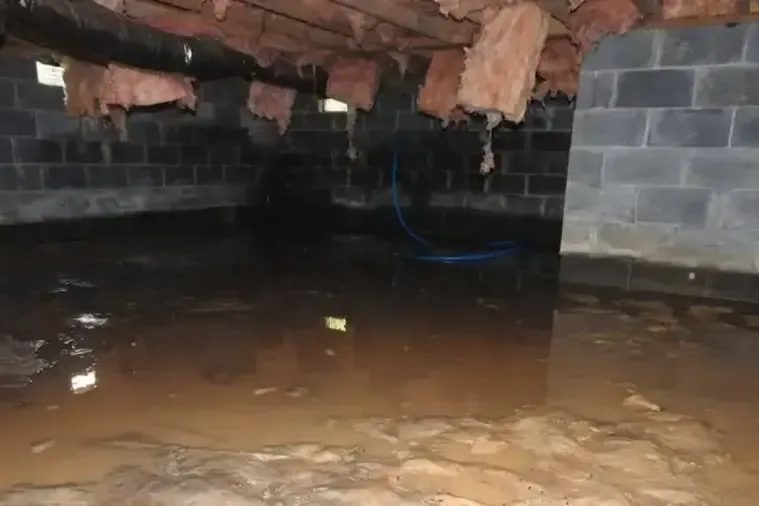
How the team handles crawl space water removal
Rapid local response
The response team treats active water as urgent and asks about the source, electrical hazards and occupied rooms. Dispatch planning starts with safe access and a clear description of the loss.
IICRC S500 drying standard
The drying team sets a moisture goal for each material, then balances extraction, airflow and dehumidification. Daily readings show where equipment needs adjustment and when drying can finish.
Claim-ready documentation
The restoration contractor records the water source, affected materials and work sequence. Photographs and moisture records explain the scope to the property owner and insurer without promising a coverage decision.
Local water experts
The mitigation team checks the actual building and follows water beyond the visible puddle. Adjoining rooms, floor edges and concealed cavities receive attention before finishes close over the structure.
First steps for crawl space water removal
Stay at a safe access point
Do not enter standing underfloor water or crawl beneath exposed wet utilities. Describe visible conditions from outside the opening so access can be assessed before equipment is introduced.
Identify the observed source
Mention recent plumbing leakage or outdoor water entry without guessing at hidden causes. The removal plan needs to distinguish ongoing inflow from water already pooled beneath the building.
Describe clearance and obstacles
Share what is known about the opening, stored objects and fixed equipment. Limited movement can affect how water is recovered and damaged insulation is handled during the work.
Include the floor above
Record changes in the occupied room, especially around penetrations and wet floor edges. Those observations help connect the underfloor moisture map with materials that may also require inspection overhead.
A crawl space combines difficult access with materials that are easy to overlook from the room above. Standing water may collect away from the access opening and leave insulation or framing wet after the visible pool changes. South Plainfield underfloor cleanup starts with the space itself before selecting extraction and drying equipment.
What does crawl space water removal cost in South Plainfield, NJ?
South Plainfield crawl space cleanup costs depend on access, water contact and the amount of wet insulation or framing. These planning ranges cover restoration work. Source correction or structural repair may require separate work after the condition beneath the floor has been assessed.
Accessible pooled water
- Usable access opening
- Contained liquid recovery
- Basic underfloor assessment
Wet insulation and framing
- Insulation handling work
- Exposed member checks
- Expanded drying access
Complex underfloor loss
- Restricted equipment movement
- Multiple wet compartments
- Broader material decisions
Typical ranges depend on water category, wet area, access and material layers. The inspection defines the scope. Compare inputs with the water damage cost calculator.
The crawl space water removal process
Assess the underfloor setting
The inspection identifies access limitations, utility concerns and the source of water before defining a practical removal route and the areas that can be examined safely.
Recover pooled water
Equipment addresses accessible liquid while the work plan accounts for low sections and obstructions that can leave water outside the view from the original access opening.
Evaluate suspended materials
Insulation and the underside of flooring are checked for wetness and condition. Necessary removal exposes recoverable members so they can be included in the drying arrangement.
Monitor the retained framing
Repeat measurements document how the exposed assembly responds, with remaining repairs and source work identified before replacement materials cover the surfaces that were inspected during restoration.
Assess the opening before entering the water
Low clearance, exposed utilities and unstable footing can make an underfloor area unsuitable for owner entry. The source and current water condition need assessment from a safe position. Nobody should crawl through standing water simply to locate a valve or photograph a wet corner beneath the house.
For a property in Holly Park that has a crawl space, the inspection would document its actual access and construction. The room above can provide useful clues, such as a soft floor edge or plumbing release, but the wet boundary underneath needs its own evaluation rather than an assumption based on the occupied room.
Describe the underfloor opening and visible water from safe ground. Include affected insulation or utilities so the assessment can plan access before selecting removal and drying equipment.
(888) 471-9821Assess the wet underfloor spaceRemove liquid and examine what hangs above it
Insulation can sag, retain water or hide damp framing. Pooled water removal improves access but does not settle those material questions. A property in Samptown may require equipment and affected material to pass through a narrow opening, so the handling route should be planned before a removal sequence is started.
- Identify low areas where pooled water remains beyond the visible access point.
- Check insulation condition and whether it prevents direct inspection of floor members.
- Record water contact around supports, plumbing penetrations and the underside of flooring.
Bound Brook runs through South Plainfield. At the individual building, the cleanup assessment follows the actual source and entry into the underfloor area, whether the report concerns outdoor water or a plumbing release. The water's contact with soil and debris influences handling and the decisions about materials that can remain.
Dry the remaining structure with usable access
Air movement above a finished floor has limited effect on enclosed wet material beneath it. The drying plan needs accessible surfaces, appropriate equipment positions and a way to repeat measurements. If insulation or another layer blocks that access, removal may be needed before the retained framing can respond effectively.
Structural drying continues after the liquid is removed, while appliance leak cleanup can address a connected indoor source. The final record should describe the inspected underfloor areas and any remaining source or repair work. Replacing insulation or closing access should follow those material checks, keeping the assembly available until the drying decisions are complete.
Crawl space water removal in South Plainfield
Crawl space cleanup in South Plainfield can address properties in Avon Park or near Stelton Road where underfloor access exists. Describe the opening, visible water and any affected utilities before arranging a below floor inspection.
The same service nearby: crawl space water removal in Somerset, Piscataway, Middlesex.
Water damage restoration in South Plainfield · every town covered
Describe the underfloor opening and visible water from safe ground. Include affected insulation or utilities so the assessment can plan access before selecting removal and drying equipment. Call (888) 471-9821.
Related water damage services in South Plainfield



Crawl Space Water Removal questions in South Plainfield, NJ
Discuss the wet area
Describe the underfloor opening and visible water from safe ground. Include affected insulation or utilities so the assessment can plan access before selecting removal and drying equipment.
(888) 471-9821Assess the wet underfloor spaceCan the owner inspect beneath the house with a flashlight?
Observation from a safe opening can help describe the problem, but entering a wet crawl space introduces access and utility hazards. Low clearance can also make retreat difficult. The initial discussion should use visible information without requiring anyone to crawl through water or beneath damaged electrical components.
Does pumping alone dry the floor framing?
Pumping removes liquid from reachable areas, while framing and insulation can retain moisture above the pool. The remaining assembly needs material checks and a drying plan. After extraction exposes the ground, the underside of the occupied floor still needs direct moisture checks to assess its condition before the assembly is enclosed.
Why might insulation need removal?
Wet insulation can hold moisture and prevent inspection or airflow around the framing it covers. Its physical condition also matters. The scope should explain whether removal is needed for damage, contamination or drying access, then identify when replacement can occur without concealing material that still requires measurement.
Should vents simply be opened to solve the dampness?
Vent position alone does not address standing water, the source or moisture retained inside the assembly. Drying should be planned around actual conditions and monitored results. The technician can explain equipment placement and access needs rather than assuming that an unmeasured change in airflow completes the recovery.
Can a leak in the room above reach the crawl space?
Water can pass through floor penetrations and layers into the area beneath. The inspection should connect both sides of that route, including the underside of affected flooring. Repairing the indoor source leaves the underfloor materials to assess, particularly where insulation has hidden or held the released water.
What belongs in the completion record?
The record should identify inspected sections, removed material, drying readings and any areas that remain inaccessible or need repair. Source correction should also be distinguished from restoration. This information helps the owner coordinate replacement insulation or other work without losing track of the underfloor assembly's condition.
Reach the moisture beneath the room
Controlled removal and exposed material checks help connect the water below the floor with the structure that still needs drying.
(888) 471-9821Discuss crawl space recovery