South Plainfield Slab Leak Water Damage
A floor that repeatedly becomes damp needs more than another wipe. Slab leak restoration in South Plainfield separates the concealed plumbing diagnosis from the moisture retained in concrete, flooring and nearby wall bases.
(888) 471-9821Discuss persistent floor moisture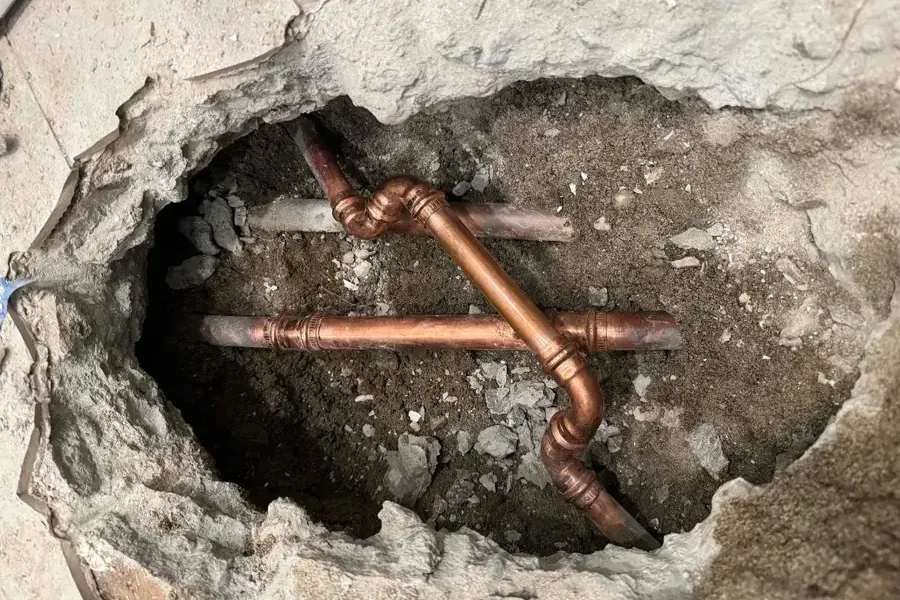
How the team handles slab leak water damage
Rapid local response
The response team treats active water as urgent and asks about the source, electrical hazards and occupied rooms. Dispatch planning starts with safe access and a clear description of the loss.
IICRC S500 drying standard
The drying team sets a moisture goal for each material, then balances extraction, airflow and dehumidification. Daily readings show where equipment needs adjustment and when drying can finish.
Claim-ready documentation
The restoration contractor records the water source, affected materials and work sequence. Photographs and moisture records explain the scope to the property owner and insurer without promising a coverage decision.
Local water experts
The mitigation team checks the actual building and follows water beyond the visible puddle. Adjoining rooms, floor edges and concealed cavities receive attention before finishes close over the structure.
First steps for slab leak water damage
Track recurring dampness
Record which floor area becomes wet and whether the symptom returns after surface cleanup. Photographs can preserve the pattern before coverings or trim are disturbed.
Avoid speculative cutting
The pipe location and moisture boundary should be assessed before opening concrete. Unplanned access can damage concealed components and leave the actual source unresolved.
Reduce use of the area
Keep weight and movable belongings away from loose, swollen or lifting finishes. A clear room also makes the full floor perimeter easier to inspect.
Separate the work scopes
Ask for the plumbing repair, material access and drying tasks to be explained individually so the estimate shows what happens after the concealed pipe is addressed.
Moisture appearing in the middle of a finished room creates a difficult question: where is the water entering the assembly? A suspected slab leak needs plumbing diagnosis before demolition is selected. South Plainfield cleanup then addresses the water already absorbed by the concrete, adhesive, underlayment and finishes around the affected area.
What does slab leak water damage cost in South Plainfield, NJ?
South Plainfield slab leak cleanup pricing reflects the affected floor layers and access needed to dry them. The pipe repair and concrete reinstatement may be separate. A small visible patch can involve additional substrate work beneath an otherwise intact covering.
Limited floor area
- Focused moisture mapping
- Accessible finish edges
- Contained drying footprint
Layered flooring
- Covering removal decisions
- Underlayment condition checks
- Additional substrate access
Extended moisture
- Broader floor inspection
- Enclosed perimeter work
- Expanded drying monitoring
Typical ranges depend on water category, wet area, access and material layers. The inspection defines the scope. Compare inputs with the water damage cost calculator.
The slab leak water damage process
Compare source findings
Plumbing observations are considered alongside moisture readings to distinguish the repair location from the area of flooring and adjoining finishes that actually require restoration work.
Expose purposeful access
Selected floor sections or trim are opened where necessary to evaluate trapped moisture, with the reason for each opening recorded before additional material is removed.
Monitor the substrate
Drying equipment is arranged around accessible wet layers. Repeat checks assess whether concrete and nearby materials respond or whether the arrangement needs a different access strategy.
Prepare installation information
The final restoration record identifies the remaining substrate condition and repaired areas so the flooring installer can assess product requirements before closing the floor assembly again.
Start with the symptom rather than a demolition outline
Loose flooring, persistent dampness or a recurring wet edge can direct an inspection, but the visible location may differ from the plumbing failure. The owner can record when the symptom appeared and whether it changes with water use. The plumbing assessment and moisture map should inform each other without treating every damp patch as the same fault.
For a property in Holly Park with a concrete floor, the inspection would follow that particular assembly. Floor construction must be established at the building itself. A room with a floating covering needs different access decisions from an adhered finish, and the presence of cabinets or partition walls can conceal the extent of moisture.
- Identify the floor covering and any accessible information about layers beneath it.
- Record damp edges around thresholds before moving trim or lifting damaged flooring.
- Separate the suspected plumbing location from the full boundary of wet materials.
A floor that becomes damp again deserves a source and material assessment. Describe the recurring location, floor covering and any completed plumbing tests when discussing the next cleanup step.
(888) 471-9821Discuss moisture beneath flooringCoordinate pipe access with the restoration scope
The opening needed for a pipe repair can reveal wet fill or adjacent material, but it may not expose the entire affected floor. After the plumbing work, cleanup still needs to examine areas beyond that opening. Water can remain under a covering where air movement across the room has little direct effect.
New Durham Road follows the borough's southern border with Piscataway. When describing a property along that corridor, useful details include the room's use, access to the floor and any fixed cabinetry. Those details help plan material handling and equipment placement while the source repair and restoration tasks are coordinated.
Evaluate the assembly from the covering downward
A finish may look intact while the layer beneath it remains wet. Inspection considers adhesive condition, swelling, separation and the suitability of drying in place. Selective lifting may be needed to reach trapped moisture. Removal decisions should explain the purpose of access and distinguish recoverable materials from portions that have already lost their usefulness.
In Samptown, a hypothetical wet kitchen floor would require checks at cabinet ends as well as the open walking area. That is a pathway question: enclosed edges can retain water after the exposed surface improves. Hardwood floor assessment is relevant where wood boards are part of the affected assembly.
Make replacement depend on material condition
Concrete can hold moisture after the leak is repaired, and a new covering can restrict further release. Drying and appropriate substrate testing therefore precede installation decisions. The flooring professional's requirements belong in that discussion, particularly when an adhesive or a moisture sensitive product will cover the slab again.
The closing record should identify inspected locations, drying progress and the surfaces still requiring repair. It should also explain any limitation caused by inaccessible materials. Structural drying provides the monitored stage between source repair and finish replacement, giving the owner a clear account of what happened beneath the visible floor.
Slab leak water damage in South Plainfield
Slab related cleanup in South Plainfield includes property discussions in Avon Park and near Stelton Road. Describe the floor construction, recurring wet location and any plumbing diagnosis already completed before arranging the material assessment.
The same service nearby: slab leak water damage in Somerset, Piscataway, Middlesex.
Water damage restoration in South Plainfield · every town covered
A floor that becomes damp again deserves a source and material assessment. Describe the recurring location, floor covering and any completed plumbing tests when discussing the next cleanup step. Call (888) 471-9821.
Related water damage services in South Plainfield



Slab Leak Water Damage questions in South Plainfield, NJ
Discuss the wet area
A floor that becomes damp again deserves a source and material assessment. Describe the recurring location, floor covering and any completed plumbing tests when discussing the next cleanup step.
(888) 471-9821Discuss moisture beneath flooringDoes a damp concrete floor always mean a pipe leak?
Several moisture pathways can affect a concrete floor. Plumbing testing and inspection are needed to identify the source before the restoration scope is settled. The cleanup record should distinguish the diagnosed failure from observations such as damp seams, loose adhesive or wet material around a wall base.
Can drying begin before the pipe is repaired?
Accessible water may need removal while source work is arranged, but ongoing leakage prevents stable drying progress. The sequence depends on access and the active release. Coordination lets the plumber address the failure while the restoration team records and manages the materials already affected around the repair area.
Must the whole floor be taken up?
Removal should follow the wet boundary, material condition and access needed for drying. Some assemblies permit focused work, while moisture trapped beneath a continuous covering can require a larger opening. An inspection should explain why a specific section needs removal instead of treating the entire room as identical.
Will room air movement dry beneath glued flooring?
Air moving above an adhered covering may have little access to moisture underneath. The assembly must be assessed to determine whether lifting material or using another drying approach is necessary. Surface appearance is a poor basis for deciding that concealed adhesive and substrate layers have reached a suitable condition.
When can concrete receive a replacement covering?
That decision depends on appropriate moisture testing and the requirements of the planned floor product. Repairing the pipe does not automatically make the substrate suitable. The restoration record and installer assessment should work together before adhesive, underlayment or a new finish limits moisture movement from the slab.
What records help explain the loss?
Useful records include the original damp pattern, plumbing diagnosis, photographs of opened sections and material readings during drying. An itemized scope can distinguish source repair from restoration and replacement work. Keeping those records together makes it easier to explain changes when hidden floor layers expand the original estimate.
Resolve the water beneath the finish
A coordinated assessment connects the pipe repair with the floor layers that still need access, drying or replacement decisions.
(888) 471-9821Arrange a slab moisture assessment