South Plainfield Frozen Pipe Water Damage
A pipe may reveal its split only when water begins moving again. South Plainfield frozen pipe cleanup follows that release through the surrounding cavity and into connected rooms while the plumbing problem receives separate attention.
(888) 471-9821Discuss a thaw related release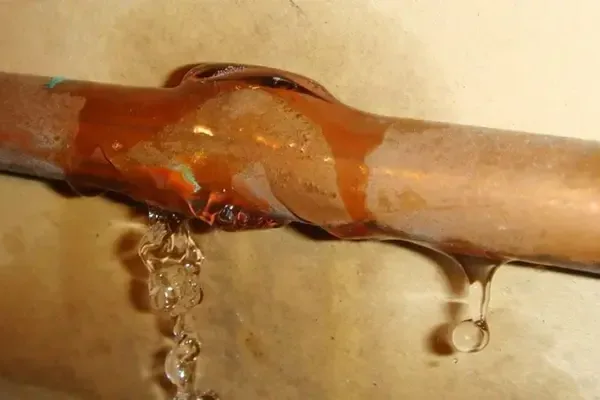
How the team handles frozen pipe water damage
Rapid local response
The response team treats active water as urgent and asks about the source, electrical hazards and occupied rooms. Dispatch planning starts with safe access and a clear description of the loss.
IICRC S500 drying standard
The drying team sets a moisture goal for each material, then balances extraction, airflow and dehumidification. Daily readings show where equipment needs adjustment and when drying can finish.
Claim-ready documentation
The restoration contractor records the water source, affected materials and work sequence. Photographs and moisture records explain the scope to the property owner and insurer without promising a coverage decision.
Local water experts
The mitigation team checks the actual building and follows water beyond the visible puddle. Adjoining rooms, floor edges and concealed cavities receive attention before finishes close over the structure.
First steps for frozen pipe water damage
Watch for newly visible water
When flow changes, note any dripping or damp finish from a safe position. A thaw can expose a damaged section that was not releasing visible liquid earlier.
Arrange safe plumbing assessment
A reachable shutoff can limit the release, but wet electrical areas should remain off limits. The plumber should assess the damaged supply and appropriate return to use.
Leave improvised heating aside
Do not use open flames or unplanned heating around a frozen pipe. Safe source work and assessment of concealed materials are necessary before the surrounding space is disturbed.
Document connected room changes
Photograph wet walls, floor edges and any lower ceiling from safe ground. The restoration scope needs the water route beyond the point where the pipe was repaired.
A pipe that stops flowing can become a water damage problem when thawing exposes a split and the supply resumes. The release may first appear inside a wall, leaving the room apparently unaffected until water reaches a seam. South Plainfield frozen pipe restoration addresses the building moisture while a plumber evaluates the damaged supply.
What does frozen pipe water damage cost in South Plainfield, NJ?
South Plainfield frozen pipe cleanup pricing follows the extent of the thaw release and concealed material damage. These ranges describe restoration. Plumbing repair and measures addressing the pipe's exposure should be considered separately from extracting water and drying the affected building assembly.
Contained thaw leak
- Limited release area
- Accessible wet materials
- Focused moisture checks
Cavity and room damage
- Wall access decisions
- Connected finish assessment
- Insulation handling needs
Extended concealed loss
- Broader pipe pathway
- Multiple affected levels
- Expanded drying access
Typical ranges depend on water category, wet area, access and material layers. The inspection defines the scope. Compare inputs with the water damage cost calculator.
The frozen pipe water damage process
Connect the source history
The assessment records changes in water flow, observed leakage and completed plumbing work so the restoration plan starts with a clear account of when the release became visible.
Inspect around the repaired section
Moisture checks extend past the pipe opening into nearby cavities, floors and lower rooms, identifying material affected before the water reached the visible part of the building.
Provide access for retained moisture
Necessary insulation or finish removal exposes wet surfaces, allowing extraction and drying to address the building assembly separately from the already completed source repair work.
Document repair readiness
Progress measurements and physical condition establish what remains for wall, ceiling or floor repair, with pipe related prevention work kept distinct from the completed material drying assessment.
Do not confuse restored flow with a sound pipe
Water moving again changes the condition of the system, so newly visible drips deserve attention. Safe isolation and plumbing inspection come before treating the event as finished. Open flames and improvised heating near concealed materials create additional hazards and should not be used to force the pipe back into service.
For a property in Holly Park, a pipe inside a wall would prompt checks on both faces of that assembly when leakage is discovered. The inspection follows the actual pipe location and water route. The damage boundary can include insulation, trim and the floor beneath a cavity even when the repaired section is small.
Describe when flow changed and where the first water appeared. Include any completed plumbing repair and wet room below so the restoration assessment can connect the thaw release with concealed material damage.
(888) 471-9821Assess the thaw release pathConnect the thaw observation with the wet materials
New Jersey American Water serves customers in South Plainfield. Within the building, the owner can report where flow changed and when water became visible. That history helps coordinate the source assessment with restoration, especially when the release occurred out of view and the duration cannot be observed directly.
In Samptown, a hypothetical leak above a finished lower room would call for inspection of its ceiling as well as the source area. Near Stelton Road, a different building might have accessible utility piping and a wet floor edge. Each plan depends on the installation and observed spread at that property.
- Check the cavity around the split for moisture beyond the plumbing opening.
- Record changes below the affected pipe before ceilings or trim are repaired.
- Assess insulation that can retain water and prevent direct access to framing.
Keep repair access useful for the drying stage
An opening made for the plumber can help inspection but may not expose every wet surface. The restoration scope should identify whether additional access is needed for retained moisture. A new pipe section does not dry the wall around it, and replacing insulation too early can conceal materials that still require checks.
Burst pipe restoration covers the broader supply release, while ceiling leak cleanup addresses any affected room below. Completion should connect source repair information with final moisture readings and the condition of the retained assembly. That record also gives the appropriate repair professional a basis for discussing prevention measures suited to the actual pipe location.
Frozen pipe water damage in South Plainfield
Frozen pipe cleanup in South Plainfield can address Avon Park and properties near Park Avenue. Describe the pipe location, newly visible leakage and any rooms below so the assessment can follow the thaw release through the building.
The same service nearby: frozen pipe water damage in Somerset, Piscataway, Middlesex.
Water damage restoration in South Plainfield · every town covered
Describe when flow changed and where the first water appeared. Include any completed plumbing repair and wet room below so the restoration assessment can connect the thaw release with concealed material damage. Call (888) 471-9821.
Related water damage services in South Plainfield


Frozen Pipe Water Damage questions in South Plainfield, NJ
Discuss the wet area
Describe when flow changed and where the first water appeared. Include any completed plumbing repair and wet room below so the restoration assessment can connect the thaw release with concealed material damage.
(888) 471-9821Assess the thaw release pathCan a pipe leak after water flow returns?
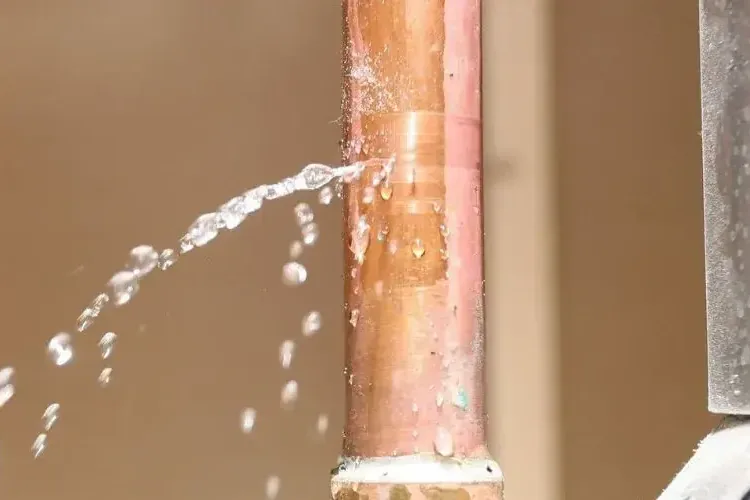
A split can become apparent as ice thaws and water moves through the damaged section. Renewed flow should be accompanied by attention to drips or wet finishes. Plumbing assessment establishes the source condition, while restoration checks the materials that may have become wet before the release was visible.
Is an exposed split the only place to inspect?
The plumber assesses the affected supply, and the restoration inspection follows water beyond the visible split. Cavities, insulation and connected lower surfaces can retain moisture. Limiting cleanup to the repair opening may leave wet areas hidden beside or below the part of the pipe that was replaced.
Should a wall be closed immediately after plumbing work?
The surrounding cavity needs a moisture and material assessment first. The plumbing opening may offer useful access, but additional wet surfaces can extend beyond it. Closing the wall too soon can block drying and conceal insulation or framing that still needs attention after the supply is repaired.
Can household heaters be used to dry the wet cavity?
Drying requires a plan for material access, moisture removal and equipment safety. Checks behind the finish reveal retained moisture, while heating choices near a damaged pipe require appropriate safety assessment before equipment is placed. The restoration arrangement should be based on measured response and the actual wet assembly.
What if the building was vacant when the pipe thawed?
The assessment should record the condition discovered and any reliable information about the source, rather than guess a release duration. A concealed loss may require broader checks around connected rooms. Photographs and plumbing findings help explain the spread and support decisions about wet materials and drying access.
Does cleanup include preventing another frozen pipe?
The restoration work addresses water and affected materials from the current release. Pipe protection, exposure and other prevention measures belong in the plumbing or building repair discussion. The cleanup findings can identify the location and opened assembly, helping the appropriate professional plan changes before the finish is replaced.
A repaired split leaves a building to inspect
The wall, insulation and floor around a frozen pipe release need their own moisture checks before the repair opening is closed.
(888) 471-9821Discuss freeze related building cleanup