South Plainfield Commercial Water Damage
A wet business needs a usable work boundary as well as water removal. South Plainfield commercial restoration coordinates access, contents and building materials so each affected zone has a defined cleanup scope and repair handoff.
(888) 471-9821Discuss affected business work zones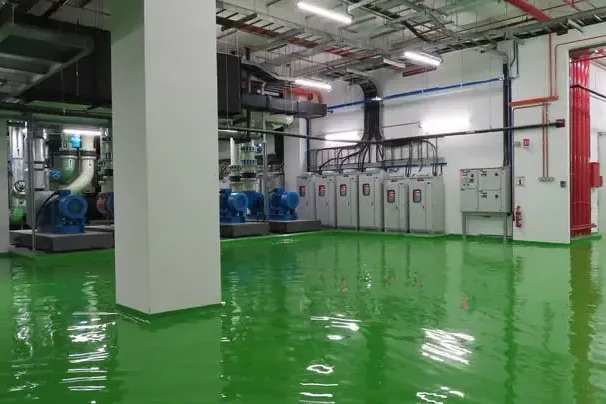
How the team handles commercial water damage
Rapid local response
The response team treats active water as urgent and asks about the source, electrical hazards and occupied rooms. Dispatch planning starts with safe access and a clear description of the loss.
IICRC S500 drying standard
The drying team sets a moisture goal for each material, then balances extraction, airflow and dehumidification. Daily readings show where equipment needs adjustment and when drying can finish.
Claim-ready documentation
The restoration contractor records the water source, affected materials and work sequence. Photographs and moisture records explain the scope to the property owner and insurer without promising a coverage decision.
Local water experts
The mitigation team checks the actual building and follows water beyond the visible puddle. Adjoining rooms, floor edges and concealed cavities receive attention before finishes close over the structure.
First steps for commercial water damage
Name the responsible building contact
Identify who can authorize access, share utility information and coordinate occupants. A clear contact helps the restoration assessment connect building conditions with the people responsible for operational decisions.
Separate the affected work zone
Keep staff and visitors outside unsafe wet areas. Note electrical concerns, ceiling changes and access restrictions so removal equipment can be planned around actual building conditions.
Record priority contents
List affected stock, records or equipment without operating wet devices. The condition and value of contents inform handling, but specialist assessments may be needed separately from building restoration.
Describe connected spaces
Mention adjoining suites, shared partitions and rooms below the release. These details help define a moisture inspection that follows the building assembly across ordinary operational boundaries.
A water loss in a working building affects more than the room where the puddle appears. Staff movement, equipment access and stored materials can change the restoration sequence. Commercial cleanup in South Plainfield begins by identifying who controls the space and how the affected zone can be assessed without confusing it with the rest of the property.
What does commercial water damage cost in South Plainfield, NJ?
Commercial restoration costs in South Plainfield depend on affected zones, access restrictions, contents handling and the complexity of wet building assemblies. These planning ranges describe cleanup scopes. Source repair, specialist equipment recovery and finish replacement should be distinguished so the responsible contact can coordinate the overall project.
Contained suite
- Defined wet footprint
- Accessible room recovery
- Focused contents coordination
Several work zones
- Multiple material boundaries
- Expanded access planning
- Staged drying arrangements
Complex building loss
- Broad assembly assessment
- Difficult equipment routes
- Coordinated recovery phases
Typical ranges depend on water category, wet area, access and material layers. The inspection defines the scope. Compare inputs with the water damage cost calculator.
The commercial water damage process
Establish the operational boundary
The initial assessment identifies responsible contacts, affected rooms and current access restrictions, giving the restoration work a defined scope within the larger building and its daily activities.
Coordinate removal and contents
Water recovery is arranged alongside inventory and staging decisions, with attention to equipment or records that need separate handling before floor and wall surfaces can be fully inspected.
Monitor by affected assembly
Drying positions and readings are recorded for each work zone. The setup is adjusted around material response while preserving safe access and clear communication about any changes.
Prepare the building handoff
The final record connects completed cleanup and moisture checks with outstanding contents or finish work, helping the responsible contact plan contractors and decisions about returning each area to use.
Define responsibility and access before equipment arrives
The building contact, occupant and source repair professional may have different information about the loss. A shared scope should establish entry permission, affected rooms and utility conditions. Clear communication also helps distinguish the immediate water removal from contents decisions and the later repair work needed to restore normal use.
Lincoln Tech has a diesel technology campus in South Plainfield. South Plainfield High School is part of the local school district. Equipment spaces and educational rooms illustrate different contents and access needs: machinery, teaching materials and occupied circulation routes each require consideration when an affected building is assessed for cleanup.
Describe the affected work zones and building contact. Include wet stock, equipment and access restrictions so the assessment can coordinate property restoration with the business requirements.
(888) 471-9821Assess the affected business spacePrioritize contents without obscuring the wet boundary
At a business near New Durham Road, stock or fixtures may conceal water along a wall or beneath shelving. Moving everything into an unaffected room can disrupt operations and transfer moisture. An organized inventory and staging plan helps separate dry belongings, affected contents and items that require specialist handling before the building surfaces are exposed.
- Identify wet storage and equipment without powering devices exposed to water.
- Keep access routes separate from hoses, removal debris and affected contents.
- Record which rooms share flooring, partitions or concealed pathways across the loss.
The restoration team should understand which items the business considers operationally important, while condition and safety govern handling. Sensitive equipment or records may need specialist assessment. Those contents tasks should be documented separately from the drying of floors, partitions and ceiling materials so the scope remains understandable.
Use zones to manage drying and the repair handoff
A larger building can contain areas at different stages of recovery. One room may need extraction while another is ready for material readings. Defined boundaries help monitoring continue and prevent equipment changes from being made without considering their effect on wet assemblies. Occupancy decisions depend on actual conditions within each area.
Water extraction clears accessible liquid, and structural drying follows the remaining material moisture. The final record should connect affected zones with removed finishes, completed monitoring and outstanding repairs. That gives the responsible building contact useful information for coordinating contractors and deciding how each space can return to service.
Commercial water damage in South Plainfield
Commercial restoration in South Plainfield includes discussions along Park Avenue, Stelton Road and near Interstate 287. Describe the business space, responsible contact and affected work zones so access and contents requirements can shape the assessment.
The same service nearby: commercial water damage in Somerset, Piscataway, Middlesex.
Water damage restoration in South Plainfield · every town covered
Describe the affected work zones and building contact. Include wet stock, equipment and access restrictions so the assessment can coordinate property restoration with the business requirements. Call (888) 471-9821.
Related water damage services in South Plainfield



Commercial Water Damage questions in South Plainfield, NJ
Discuss the wet area
Describe the affected work zones and building contact. Include wet stock, equipment and access restrictions so the assessment can coordinate property restoration with the business requirements.
(888) 471-9821Assess the affected business spaceCan an unaffected part of a business remain open?
That depends on safe separation, contamination, utility conditions and the work routes required for restoration. The building contact should discuss occupancy needs during assessment. A clear boundary can help planning, but an area should not be treated as usable merely because it sits beyond the visible puddle.
Who should coordinate access in a leased space?
The responsible tenant and property contact should clarify access and decision authority according to their arrangements. Restoration needs a reliable contact for utilities, room entry and work changes. Source repairs, building materials and business contents may involve different parties, so the scope should identify those responsibilities clearly.
Does cleanup include repair of wet business equipment?
Specialized equipment assessment can require a separate professional. The restoration scope addresses affected building materials and coordinates contents handling while wet devices remain set aside for appropriate equipment safety assessment. Keeping equipment recovery distinct from extraction and drying helps the business understand outstanding tasks before normal use resumes.
Why divide a larger loss into work zones?
Different rooms and assemblies can have different water exposure, access and drying progress. Defined zones make the scope and monitoring record easier to follow. They also help the responsible contact understand where extraction, removal or repair is occurring and which changes could affect movement through the building.
Can stock be moved directly into another occupied room?
Movement should follow an exposure assessment and staging plan. Wet or contaminated stock can transfer moisture and residue, while large quantities may block safe routes. An inventory records the initial condition and helps distinguish unaffected items from contents needing cleaning, separate evaluation or disposal decisions.
What supports the decision to reopen a repaired area?
The responsible contact needs the cleanup record, material condition and any remaining utility, contents or repair concerns. Drying completion is one part of that decision. The handoff should explain which assemblies were assessed and what work remains so operational choices reflect the actual condition of each space.
Organize recovery around the rooms and responsibilities
A defined cleanup record helps coordinate contents, drying and finish repairs while the responsible contact plans the return of each affected area.
(888) 471-9821Discuss commercial property restoration