Ceiling Leak Water Damage in Middlesex
A spreading ceiling patch needs attention above and below the board. The inspection considers the source upstairs, the condition of the overhead material and the room that must remain clear beneath it.
(888) 471-9821Discuss the overhead damage
How the team handles ceiling leak water damage
Rapid local response
The response team treats active water as urgent and asks about the source, electrical hazards and occupied rooms. Dispatch planning starts with safe access and a clear description of the loss.
IICRC S500 drying standard
The drying team sets a moisture goal for each material, then balances extraction, airflow and dehumidification. Daily readings show where equipment needs adjustment and when drying can finish.
Claim-ready documentation
The restoration contractor records the water source, affected materials and work sequence. Photographs and moisture records explain the scope to the property owner and insurer without promising a coverage decision.
Local water experts
The mitigation team checks the actual building and follows water beyond the visible puddle. Adjoining rooms, floor edges and concealed cavities receive attention before finishes close over the structure.
First steps for ceiling leak water damage
Set a clear room boundary
The area beneath sagging board or wet fixtures should remain unused until assessed. A dry observation point allows the initial condition to be described without entering the hazard.
Connect upstairs and downstairs
Details about the room above, recent water use and visible rain entry help direct the source investigation. The inspection follows the actual moisture route between those spaces.
Plan selective overhead access
The removal plan considers room contents, debris containment and the cavity that needs inspection. Construction waste requires a destination before damaged ceiling material starts leaving the room.
Check before board replacement
The exposed assembly receives moisture assessment after source correction and drying. Closing work should wait until retained materials and any remaining repairs have a documented condition.
A ceiling can show water as a stain, a softened joint or a sagging section. Each appearance needs assessment of what lies above it. Occupants should stay clear of unstable board and wet fixtures while the room boundary and source investigation are established from a safe position.
What does ceiling leak water damage cost in Middlesex, NJ?
Ceiling leak cleanup costs in Middlesex depend on overhead access, the area of damaged board and moisture in the cavity above it. Wet walls or several connected rooms broaden the work. The planning ranges below describe restoration scopes that an on site assessment can refine.
Localized ceiling
- Small overhead area
- Controlled access opening
- Targeted cavity readings
Ceiling and walls
- Connected surfaces checked
- Selective damaged removal
- Coordinated equipment placement
Multiple rooms
- Wider overhead mapping
- Several cavities evaluated
- Expanded finish planning
Typical ranges depend on water category, wet area, access and material layers. The inspection defines the scope. Compare inputs with the water damage cost calculator.
The ceiling leak water damage process
Assess overhead stability
The assessment establishes the usable room area and notes sagging surfaces or wet fixtures. Source investigation then proceeds with attention to the room above and the path into adjoining walls.
Open and document the cavity
Controlled material removal reveals the ceiling layers and supports the moisture assessment. Photographs preserve the condition before insulation, damaged board or other materials are removed from the work area.
Dry retained overhead materials
Equipment and access are arranged around exposed framing and remaining suitable components. Readings track progress above the visible ceiling surface and identify pockets requiring a change in the drying arrangement.
Prepare the closure record
The repair handoff brings together source findings, material decisions and drying checks. Replacement board and finishing can then be planned around the inspected cavity and any remaining trade work above it.
Begin with the space above the damage
The room over a ceiling patch may contain plumbing, an appliance or a bathroom. Rain entry presents another possible route. The source investigation should connect those conditions with the actual wet pattern, including any wall corner where water traveled downward before reaching the visible room.
Lincoln Park occupies the former railroad station site in the Lincoln community. East Bound Brook and Beechwood Heights are also part of the borough's recorded district history. A property described by those names still needs a precise room description so the assessment can connect upper and lower spaces.
A changing ceiling needs a description of the room above and the space below. Those details help establish safe access, source investigation and the scope of overhead cleanup.
(888) 471-9821Explain the ceiling changesCreate an opening for a defined purpose
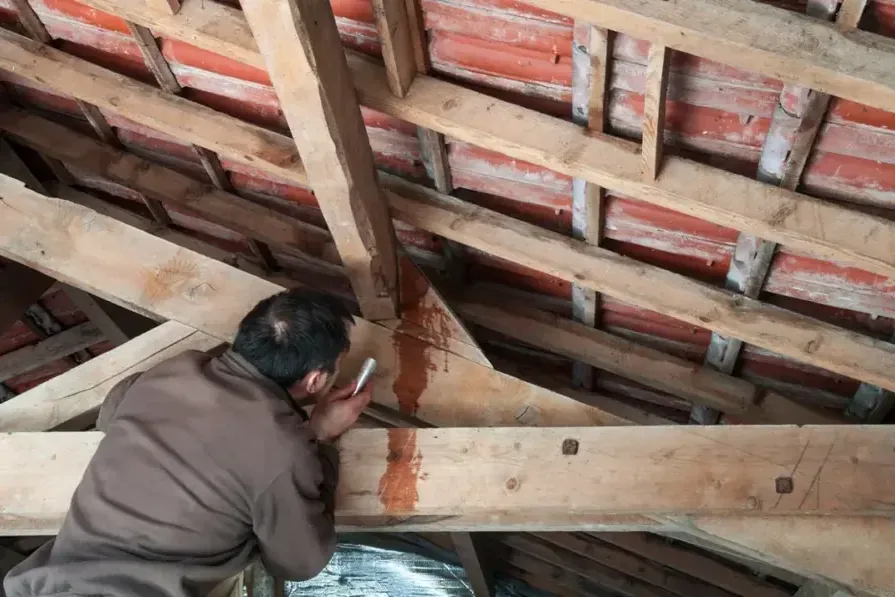
Overhead removal needs a plan for room protection, falling debris and the materials revealed behind the board. A controlled opening can expose the source route and provide drying access. It should be sized and located around those needs rather than simply following the outline of a stain.
- Move clean furnishings only when the path avoids the unstable ceiling area.
- Record wet fixture locations before electrical assessment changes the work zone.
- Keep removed ceiling debris separate from household belongings awaiting return.
Middlesex bulk pickup excludes construction materials. A ceiling removal scope therefore needs a disposal destination for damaged board and related debris. Clear handling arrangements keep bags and fragments from blocking the dry path between the work area and the exit.
Assess the cavity as an assembly
Wet insulation, framing and board respond differently to drying. Removing a damaged surface does not resolve every wet layer above it. Measurements and direct observations help decide which materials remain, where air can reach and whether another opening is needed to address moisture beyond the first access point.
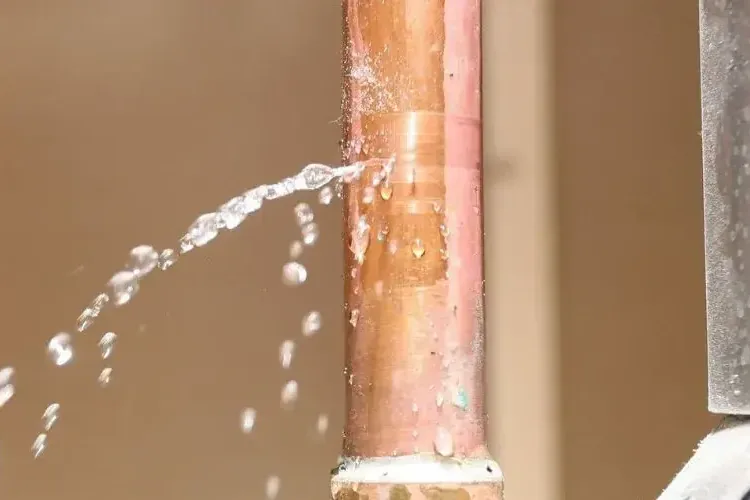
A release from a damaged supply can require burst pipe cleanup in the upper room as well. When rain is involved, roof leak restoration connects the exterior correction with interior work. The ceiling repair should follow that complete source and moisture assessment.
Document the area before closing it
Photographs of the opened cavity and the drying results help preserve information that replacement board will conceal. The handoff should identify the source correction, retained materials and remaining finish work. That record gives the repaired ceiling a clear starting condition before joints and paint cover the opening.
Ceiling leak water damage in Middlesex
Ceiling assessments serve Middlesex homes around Lincoln Park and in East Bound Brook and Beechwood Heights. The initial description should identify the damaged ceiling, the room above and any fixtures within the wet area.
The same service nearby: ceiling leak water damage in Somerset, Piscataway, South Plainfield.
A changing ceiling needs a description of the room above and the space below. Those details help establish safe access, source investigation and the scope of overhead cleanup. Call (888) 471-9821.
Related water damage services in Middlesex

Ceiling Leak Water Damage questions in Middlesex, NJ
Discuss the wet area
A changing ceiling needs a description of the room above and the space below. Those details help establish safe access, source investigation and the scope of overhead cleanup.
(888) 471-9821Explain the ceiling changesShould a bulging ceiling be punctured to release water?
Occupants should stay clear of a bulging ceiling rather than work underneath it. Water weight, unstable board and nearby electrical fixtures can make the area unsafe. The assessment should establish controlled access and a removal approach that accounts for the material above and the room below.
Can the leak come from another room upstairs?
Water can travel along floor assemblies or framing before reaching the ceiling below. The wet patch may therefore sit away from the original release. Inspection should connect the upper rooms with the visible damage and check adjoining walls where the moisture pattern continues beyond the first stain.
Does all ceiling insulation need replacement?
The decision depends on water contact, condition and access for effective drying. Saturated or damaged sections may need removal, while other material requires assessment before a retention decision. The scope should identify the affected cavity and explain what remains above the replacement ceiling rather than treating every section alike.
Why are photographs of the open ceiling useful?
An opened ceiling reveals the water path and material condition that finishes normally hide. Photographs preserve those observations before drying and repair change them. They can support coordination among the plumber, restoration work and finish repair so each task uses a clear account of the affected assembly.
Can the room remain occupied during cleanup?
Occupancy depends on overhead stability, electrical conditions, debris handling and equipment placement. A room with damaged material overhead may need restricted access. The work plan should describe which areas remain usable and how clean belongings are protected before removal or drying begins above the occupied space.
What establishes readiness for ceiling repairs?
The source should be corrected, damaged material addressed and retained components checked after drying. Remaining work above the ceiling also needs coordination before closure. A documented assessment of those conditions helps keep new board and paint from concealing an unresolved wet area or an unfinished plumbing task.
Make the cavity ready before closing it
The assessment connects controlled opening, material drying and repair records so replacement board covers an inspected and prepared assembly.
(888) 471-9821Arrange overhead moisture assessment