Crawl Space Water Removal in Middlesex
An underfloor space can hold water where ordinary room equipment cannot reach. Cleanup starts with the access opening, conditions beneath the building and a plan for moving wet material out without carrying it through occupied rooms.
(888) 471-9821Discuss underfloor water access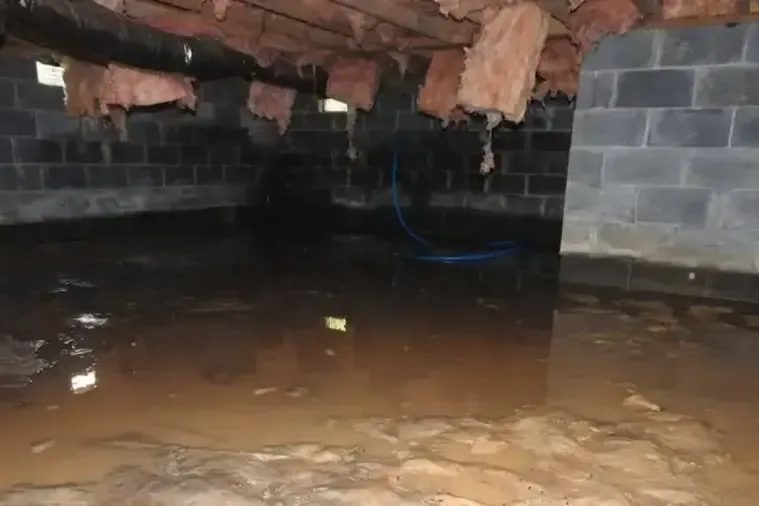
How the team handles crawl space water removal
Rapid local response
The response team treats active water as urgent and asks about the source, electrical hazards and occupied rooms. Dispatch planning starts with safe access and a clear description of the loss.
IICRC S500 drying standard
The drying team sets a moisture goal for each material, then balances extraction, airflow and dehumidification. Daily readings show where equipment needs adjustment and when drying can finish.
Claim-ready documentation
The restoration contractor records the water source, affected materials and work sequence. Photographs and moisture records explain the scope to the property owner and insurer without promising a coverage decision.
Local water experts
The mitigation team checks the actual building and follows water beyond the visible puddle. Adjoining rooms, floor edges and concealed cavities receive attention before finishes close over the structure.
First steps for crawl space water removal
Describe the opening
The first conversation should include how the space is entered and what can be observed safely from outside. Clearance and obstructions help establish the practical inspection approach.
Evaluate underfloor hazards
Water condition, electrical components and structural access need assessment before entry. The work plan should define who can enter and how equipment will reach the affected areas.
Clear pools and wet material
Removal follows the low pockets and newly exposed surfaces. Insulation and debris handling are coordinated so the access opening remains usable throughout the underfloor cleanup work.
Check retained framing
Moisture measurements address the structure after water removal. The drying arrangement should reach affected components beneath the floor and remain accessible for follow up observations before the opening closes.
An opening beneath a house may reveal pooled water without showing how far it extends. Low clearance, supports and stored material can interrupt the view. The assessment needs a safe access strategy before removal equipment or workers enter the space and begin moving water from its lowest pockets.
What does crawl space water removal cost in Middlesex, NJ?
Crawl space water removal costs in Middlesex depend on entry conditions, working clearance, separated pools and the amount of affected insulation or framing. Restricted access can change labor and equipment needs. These ranges provide planning categories for the underfloor conditions identified during inspection.
Accessible pooled water
- Usable access opening
- Reachable low pockets
- Initial framing assessment
Wet insulation and framing
- Insulation removal decisions
- Retained wood monitored
- Controlled material handling
Complex underfloor loss
- Restricted equipment routes
- Separated pools addressed
- Expanded assembly assessment
Typical ranges depend on water category, wet area, access and material layers. The inspection defines the scope. Compare inputs with the water damage cost calculator.
The crawl space water removal process
Establish the entry conditions
The opening, clearance and hazards shape entry planning. Equipment positions and debris routes must keep that opening usable throughout underfloor water removal.
Work through separated water pockets
Removal progresses into areas revealed as the level falls. Supports and changes in the ground surface receive attention where they divide the space and leave water beyond the initial extraction area.
Expose affected structural components
Insulation and damaged materials are evaluated for removal where needed. Retained framing is then assessed directly, allowing the drying arrangement to address the wet surfaces instead of only the surrounding air.
Assess source control and drying
The final checks connect the corrected entry with the underfloor moisture record. Remaining repair tasks and access needs are documented before the space is closed or insulation is installed again.
Describe access before describing equipment
The opening location, available clearance and route from the entrance to the water influence the work. Electrical components, unstable surfaces and the water's condition can further restrict entry. Occupants should avoid crawling into an unfamiliar wet space merely to identify the source or take a closer photograph.
Mountain View Park is a central open space in Middlesex, while Victor Crowell Park is commonly called Duck Pond. A property near either landmark still needs its own underfloor description. The actual access opening and affected materials determine how the cleanup can proceed beneath the occupied floor.
Underfloor water needs an access plan suited to the space. Describe the opening, visible pools and room level symptoms to begin organizing removal and material assessment.
(888) 471-9821Explain the underfloor openingRemove water without overlooking separated pockets
Supports and uneven ground can leave isolated pools after the easiest area is cleared. Removal should revisit those locations as visibility improves. The discharge arrangement also needs planning so removed water does not return to the building or interfere with the working entrance.
- Locate the safe opening and keep its approach clear for equipment.
- Identify low areas that remain wet after the initial removal pass.
- Record the source investigation separately from the underfloor material assessment.
Lincoln Park occupies a former station site in the Lincoln community. For a nearby property, room level symptoms such as a changed floor edge can help identify where the underfloor inspection should concentrate. Those observations need to be connected with the actual conditions beneath the building.
Assess insulation and framing individually
Wet insulation can obstruct inspection and hold moisture against the structure. Its condition and contact with the water affect retention decisions. Exposed framing may remain a drying candidate, but the arrangement must allow moisture to leave its surfaces rather than simply moving air near the access opening.
Borough bulk pickup excludes construction materials. Removed insulation and other building debris therefore need a planned destination and a contained route out of the space. The structural drying assessment then considers retained underfloor components and any connected wet floor layers above.
Check the source before closing access
A cleared crawl space can refill if the entry remains active. The completion assessment should connect source correction with removal and drying records. Access should remain available for the necessary checks, including pockets behind supports and framing that was concealed by saturated insulation during the initial inspection.
Crawl space water removal in Middlesex
Underfloor cleanup serves inspected crawl spaces in Middlesex near Mountain View Park, Victor Crowell Park and Lincoln Park. The property description should identify the access opening, observed water and any affected floor area above it.
The same service nearby: crawl space water removal in Somerset, Piscataway, South Plainfield.
Underfloor water needs an access plan suited to the space. Describe the opening, visible pools and room level symptoms to begin organizing removal and material assessment. Call (888) 471-9821.
Related water damage services in Middlesex



Crawl Space Water Removal questions in Middlesex, NJ
Discuss the wet area
Underfloor water needs an access plan suited to the space. Describe the opening, visible pools and room level symptoms to begin organizing removal and material assessment.
(888) 471-9821Explain the underfloor openingIs looking through the opening enough to plan removal?
A view from outside can provide useful initial information, but it may miss water behind supports or beyond changes in clearance. The assessment needs to establish safe access and the extent of the affected space before selecting equipment and deciding how materials can be removed from beneath the building.
Why can water remain after the main pool is gone?
Uneven surfaces and structural supports can divide an underfloor space into separate pockets. Clearing the easiest pool may leave water elsewhere. The removal process should revisit those areas as visibility improves and identify any remaining entry that continues feeding water into the space during the work.
Does wet insulation need to be addressed separately?
Insulation can hold water and conceal the condition of framing above it. Its contact history and physical condition determine the handling decision. Removal may be needed to expose wet structural components and create drying access, with construction debris given a planned route and destination outside the occupied rooms.
Can a fan at the opening dry everything underneath?
Air near the entrance may not reach remote or obstructed surfaces effectively. Drying needs to account for the space arrangement, retained materials and moisture measurements. Equipment placement should respond to the actual wet components rather than assuming that airflow at the opening reaches every underfloor section equally.
What should be known before entering a wet crawl space?
Entry needs assessment of clearance, electrical conditions, structural access and the water itself. Occupants should avoid entering merely to obtain a closer view. A safe description from outside, including the opening location and visible water, provides a starting point for arranging an appropriate inspection of the space.
When can insulation be installed again?
Replacement should follow the source correction and the moisture assessment of retained framing. The assembly must also be ready for any remaining repairs. Keeping the access available through those checks allows the work to be documented before new insulation conceals the components that were previously wet.
Reach the wet areas beneath the floor
A planned inspection connects safe entry, water removal and framing checks before the underfloor assembly is closed again.
(888) 471-9821Arrange crawl space assessment