Water Heater Leak Cleanup in Middlesex
A tank can hide the floor directly beneath it while water escapes into an adjoining room. Cleanup needs a plan for equipment isolation, access around the heater and the wet finishes beyond its immediate footprint.
(888) 471-9821Discuss water beside the tank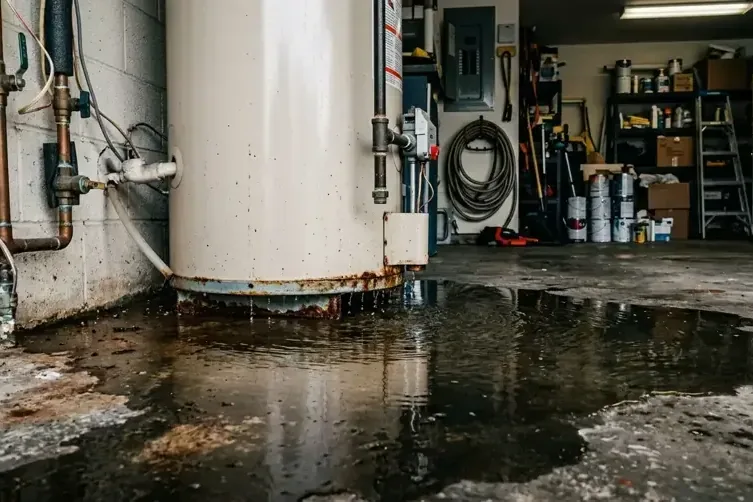
How the team handles water heater leak cleanup
Rapid local response
The response team treats active water as urgent and asks about the source, electrical hazards and occupied rooms. Dispatch planning starts with safe access and a clear description of the loss.
IICRC S500 drying standard
The drying team sets a moisture goal for each material, then balances extraction, airflow and dehumidification. Daily readings show where equipment needs adjustment and when drying can finish.
Claim-ready documentation
The restoration contractor records the water source, affected materials and work sequence. Photographs and moisture records explain the scope to the property owner and insurer without promising a coverage decision.
Local water experts
The mitigation team checks the actual building and follows water beyond the visible puddle. Adjoining rooms, floor edges and concealed cavities receive attention before finishes close over the structure.
First steps for water heater leak cleanup
Describe the equipment area
The initial account should identify the heater location, visible water and adjoining rooms. Access details help coordinate equipment service with cleanup around the tank and its connections.
Arrange safe equipment handling
Qualified service should address water and energy isolation before the heater is moved or replaced. Cleanup planning then uses the access available around the equipment footprint.
Inspect newly exposed surfaces
The floor beneath a removed unit and the wall behind it need condition checks. Those surfaces can reveal wet material that was hidden during the first inspection.
Separate return and disposal tasks
The replacement route, appliance removal and construction debris handling should each be planned. Drying records identify the retained finishes ready for the equipment area to be restored.
The visible pool around a water heater may extend under the tank, behind a partition or through a closet threshold. Those locations can remain inaccessible until equipment service is coordinated. Restoration should account for the wet footprint that becomes visible when access improves, as well as the floor already exposed.
What does water heater leak cleanup cost in Middlesex, NJ?
Water heater leak cleanup in Middlesex depends on access around the unit and how far water traveled beyond it. A clear floor differs from wet closet walls or adjoining rooms. These ranges describe cleanup work, with equipment repair or replacement detailed separately in the scope.
Accessible spill
- Open water removal
- Tank perimeter checks
- Limited drying area
Closet and finishes
- Restricted access planning
- Wall bases assessed
- Concealed footprint assessment
Spread into rooms
- Connected flooring examined
- Broader equipment placement
- Expanded material records
Typical ranges depend on water category, wet area, access and material layers. The inspection defines the scope. Compare inputs with the water damage cost calculator.
The water heater leak cleanup process
Coordinate the equipment sequence
The service and cleanup tasks are arranged around isolation, access and any tank movement. The plan identifies when hidden floor areas can be inspected before replacement equipment covers them again.
Remove accessible water
Extraction clears the reachable surfaces and exposes the perimeter of the affected area. Trim and thresholds are checked where water may have left the utility space and entered adjoining finishes.
Assess the revealed footprint
Access after tank movement allows assessment of concealed floor and wall surfaces. Material decisions account for condition, drying access and the sequence required to restore the equipment space safely.
Close the utility area record
The handoff identifies retained materials, moisture checks and remaining finish tasks. Appliance collection and debris disposal are kept separate so the room can be restored without obstructing the equipment installation route.
Connect equipment service with room cleanup
Water and energy isolation need appropriate qualified attention before work around a leaking heater proceeds. The cleanup plan should identify who handles the equipment and when the surrounding floor becomes available. A replacement tank should not conceal wet materials that still need assessment beneath or behind it.
For properties described by Route 28, Mountain View Park or Victor Crowell Park, useful scheduling details include the heater's level and the route to its enclosure. A narrow closet opening or stored belongings can affect access even when the visible puddle appears modest.
Water around a tank needs access planning as well as removal. A description of the enclosure, nearby finishes and equipment service status helps organize the cleanup around the heater.
(888) 471-9821Explain the utility spaceFollow water beyond the tank footprint
A closet wall base can absorb water while an adjoining hard floor appears easy to wipe. Inspection should extend to trim, thresholds and any finish on the other side of the partition. Water extraction addresses accessible liquid, while retained moisture requires a separate material assessment.
- Record damp areas beyond the utility space before moving clean belongings.
- Leave electrical controls and wet energy connections for qualified assessment.
- Identify flooring that continues beneath the tank or through the doorway.
When the heater is moved for service, the exposed footprint should be checked before another unit occupies it. Water beneath a base or enclosure may have been hidden during the first inspection. Photographs and readings can capture that condition while access is available.
Arrange disposal by material type
Middlesex offers large household appliance collection by appointment throughout the year. Collection arrangements for a removed heater should be checked as part of equipment replacement planning. Construction materials are excluded from borough bulk pickup, so wet wallboard and removed flooring need a separate disposal route.
That distinction helps organize the work area: the appliance, damaged finishes and household contents have different handling needs. Clear staging keeps the replacement route open while structural drying addresses retained materials around the utility space. The final handoff should record what was checked before the equipment was returned to position.
A photograph of the empty footprint can preserve useful detail about floor seams and wall edges that the replacement unit will cover.
Water heater leak cleanup in Middlesex
Water heater cleanup serves Middlesex properties near Route 28, Mountain View Park and Victor Crowell Park. The initial conversation should describe the unit's location, enclosure access and any water reaching a room beside it.
The same service nearby: water heater leak cleanup in Somerset, Piscataway, South Plainfield.
Water around a tank needs access planning as well as removal. A description of the enclosure, nearby finishes and equipment service status helps organize the cleanup around the heater. Call (888) 471-9821.
Related water damage services in Middlesex



Water Heater Leak Cleanup questions in Middlesex, NJ
Discuss the wet area
Water around a tank needs access planning as well as removal. A description of the enclosure, nearby finishes and equipment service status helps organize the cleanup around the heater.
(888) 471-9821Explain the utility spaceDoes the tank need to move for cleanup?
Movement depends on where water traveled and whether the footprint can be inspected with the unit in place. Equipment service should coordinate any relocation or replacement. The cleanup scope needs to account for surfaces exposed during that work before another tank or enclosure makes them inaccessible again.
Can a small puddle wet the adjoining room?
Water can pass beneath trim or through a threshold even when the visible pool stays close to the heater. Inspection should follow those connections into adjacent finishes. The condition of the closet wall and adjoining floor can matter more than the apparent size of the puddle around the tank.
Who should operate wet heater controls?
Wet electrical controls or energy connections require qualified attention. Occupants should avoid entering water to reach equipment or attempting to move the unit. The first useful information is the heater location, visible spread and safe access, allowing isolation and cleanup tasks to be coordinated around the actual conditions.
How is a removed heater collected locally?
The borough offers appointment collection for large household appliances throughout the year. The equipment removal plan should confirm the applicable arrangement before placing a unit for pickup. Damaged wallboard and flooring require separate consideration because construction materials are excluded from ordinary borough bulk pickup.
Can a replacement heater go onto a damp floor?
The exposed footprint should be evaluated before replacement installation closes access. Retained floor layers may require drying or repair, depending on their condition. Coordination between equipment service and restoration helps ensure that the new unit does not obstruct unfinished moisture work beneath or behind its final position.
What records belong in the cleanup handoff?
Photographs around and beneath the unit, notes about adjoining wet finishes and the moisture results provide a useful record. Equipment service details should be kept with the restoration scope. Together they show what was corrected at the source and what was assessed before the utility area returned to use.
Check the floor before the tank returns
Coordinated access allows the hidden footprint and adjoining finishes to be assessed, dried and documented before equipment installation closes the space.
(888) 471-9821Arrange tank area cleanup