Slab Leak Water Damage in Middlesex
A darkened floor seam can draw attention long before standing water appears. Slab leak restoration examines the layers above concrete and the access needed to repair and dry the affected assembly.
(888) 471-9821Discuss damp flooring over concrete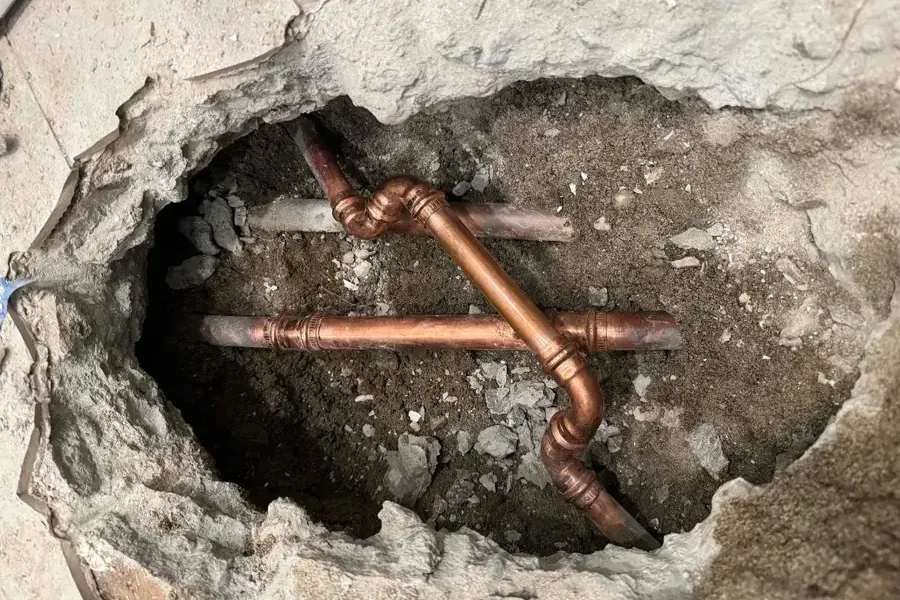
How the team handles slab leak water damage
Rapid local response
The response team treats active water as urgent and asks about the source, electrical hazards and occupied rooms. Dispatch planning starts with safe access and a clear description of the loss.
IICRC S500 drying standard
The drying team sets a moisture goal for each material, then balances extraction, airflow and dehumidification. Daily readings show where equipment needs adjustment and when drying can finish.
Claim-ready documentation
The restoration contractor records the water source, affected materials and work sequence. Photographs and moisture records explain the scope to the property owner and insurer without promising a coverage decision.
Local water experts
The mitigation team checks the actual building and follows water beyond the visible puddle. Adjoining rooms, floor edges and concealed cavities receive attention before finishes close over the structure.
First steps for slab leak water damage
Describe the surface changes
Notes about loose seams, darker patches and the rooms involved help place the moisture assessment around the affected flooring before an opening is planned.
Coordinate plumbing access
The source repair and restoration scope should share information about the opening location so material removal provides useful access without obscuring the moisture pattern.
Assess exposed layers
Each revealed material needs a condition check. Wet adhesive, underlay and slab surfaces can require different treatment after the leaking pipe has been corrected.
Hold replacement materials back
New floor finishes belong after the substrate assessment. Keeping replacement work separate allows drying progress and remaining removal needs to be documented before installation.
A floor over concrete can conceal several materials with different responses to water. Adhesive may soften while a surface covering remains intact, and dampness may spread beyond a visible joint. The investigation begins with the observed damage and the plumbing assessment, then follows moisture through the actual floor construction.
What does slab leak water damage cost in Middlesex, NJ?
Middlesex slab leak restoration pricing reflects the area above the concrete that needs attention, the number of flooring layers and the access required after plumbing repair. The estimate should distinguish drying and finish removal from correction of the pipe itself.
Limited floor area
- Small affected footprint
- Accessible finish edges
- Initial substrate checks
Layered flooring
- Multiple materials assessed
- Selective covering removal
- Coordinated drying access
Extended moisture
- Adjoining rooms inspected
- Broader substrate monitoring
- Expanded finish handoff
Typical ranges depend on water category, wet area, access and material layers. The inspection defines the scope. Compare inputs with the water damage cost calculator.
The slab leak water damage process
Plot the moisture boundary
The inspection connects visible flooring changes with readings across the assembly. Doorways and cabinet edges are included where the pattern suggests that water has traveled beyond its original appearance.
Assess the opened floor
Plumbing access reveals construction that may be hidden elsewhere. Those observations help identify which retained layers can dry and which damaged materials need removal to create a useful drying path.
Track the exposed assembly
Drying checks revisit the same locations so progress can be compared over time. Equipment placement and access are adjusted when a layer remains wet despite improvement at the visible surface.
Describe the substrate handoff
The closing record explains the material condition and remaining preparation. That record supports coordination with the flooring installer before adhesive, underlay or replacement boards cover the previously affected concrete.
Separate leak location from floor damage
Finding the damaged pipe and describing the wet flooring are related tasks with different boundaries. Plumbing access may require a small opening, while water has already traveled beneath a broader area of finish. A useful restoration map records both the repair opening and the larger moisture pattern before replacement decisions are made.
East Bound Brook and Beechwood Heights appear in the borough's early policing organization as districts. A property located in either area still needs its own floor inspection. The material layers, pipe access and observed dampness determine the scope, with measurements extending into adjoining rooms when the wet pattern crosses a doorway.
- Record the first changed seam, loose tile or damp floor edge.
- Identify any flooring layers exposed during the plumbing access work.
- Compare affected areas with suitable dry material inside the same property.
Changed seams and damp floor edges deserve a closer look beneath the surface. Details about the finish and repair access help define the next inspection.
(888) 471-9821Explain the floor changesCoordinate openings before replacing finishes
The repair location can influence which materials must be lifted, but removal should also consider moisture that remains beyond that opening. A trapped layer under an intact covering may need separate access. Documentation helps avoid installing a new surface over a section that has not yet been assessed or dried.
Construction materials are excluded from Middlesex bulk pickup. Broken concrete fragments, removed flooring and damaged wallboard therefore need a disposal arrangement within the project scope. Staging debris beside the repair opening should leave a usable route for tools and prevent fragments from being carried through unaffected finished rooms.
- Keep the plumber's access area clear of stored replacement floor materials.
- Separate loose demolition debris from belongings awaiting condition assessment elsewhere.
- Record the edge of every opening before the repair closes it.
Follow moisture across the assembly
Concrete, wood underlay and floor adhesive do not behave as interchangeable surfaces. The drying approach must account for the material actually present and the path available for moisture to leave it. A fan above an impermeable covering may have little effect on a wet layer that remains sealed below.
Lincoln Park stands on the former railroad station site in the Lincoln community. When that landmark helps describe a property location, the more useful inspection details are indoors: where the dampness begins, which rooms share the floor and whether cabinets conceal its edges. These details help define the checks around the suspected leak.
- Inspect adjoining transitions where different floor finishes meet above the slab.
- Revisit readings after access changes expose previously covered wet material.
- Use structural drying when the remaining assembly needs controlled moisture removal.
Plan the finish around a verified substrate
After the pipe repair stops the release, the floor needs a separate moisture assessment before receiving a new covering. The substrate condition, retained layers and replacement product requirements must fit together. A repair handoff should collect the moisture record and identify any materials that still require removal or evaluation.
For a wood surface, hardwood assessment adds checks for board movement and the condition underneath. Whatever finish is present, the final decision should address the entire wet assembly so the new surface is supported by an appropriate, prepared substrate rather than an unexplored damp layer.
Slab leak water damage in Middlesex
Floor moisture assessments serve Middlesex properties in East Bound Brook, Beechwood Heights and Lincoln. The initial description should identify the floor covering, adjoining rooms and any opening already made for plumbing access.
The same service nearby: slab leak water damage in Somerset, Piscataway, South Plainfield.
Changed seams and damp floor edges deserve a closer look beneath the surface. Details about the finish and repair access help define the next inspection. Call (888) 471-9821.
Related water damage services in Middlesex



Slab Leak Water Damage questions in Middlesex, NJ
Discuss the wet area
Changed seams and damp floor edges deserve a closer look beneath the surface. Details about the finish and repair access help define the next inspection.
(888) 471-9821Explain the floor changesDoes a warm floor patch identify a slab leak?
A changed floor temperature can be a reason to investigate, but the source needs a plumbing assessment. Restoration then addresses the moisture and material damage around the affected area. The inspection should connect the actual repair findings with the wet flooring pattern before selecting the removal and drying scope.
Must the entire floor covering be removed?
Removal depends on the damage, attachment method and ability to reach the wet layer. Some materials can remain while other sections need opening. The important question is whether moisture can be assessed and released effectively, including the area beyond the plumber's repair opening and adjoining floor transitions.
Can the concrete be checked through the finished floor?
A surface survey can help locate areas needing investigation, but concealed layers may require access for a meaningful assessment. Different coverings and underlays can affect what a reading represents. The inspection should identify the material being evaluated and record openings that reveal the condition directly beneath the finish.
Who handles flooring debris after the opening is made?
Debris handling should be assigned in the written scope before removal begins. Borough bulk pickup excludes construction materials, which makes a separate arrangement necessary for removed flooring and repair debris. A staging plan also helps keep fragments and wet materials away from clean walkways and stored belongings.
Why can dampness remain after the pipe repair?
The repaired pipe stops adding water, but previously absorbed moisture remains within surrounding materials. A floor covering may restrict its escape, and adjoining layers may dry at different rates. Assessment after source correction establishes which areas need additional access or controlled drying before the finish can be replaced.
What should the flooring installer receive at handoff?
The installer should receive a clear description of the opened areas, retained layers and completed moisture checks. The substrate still needs to meet the requirements of the chosen flooring system. That coordination helps keep preparation, drying and installation decisions connected rather than treating the pipe repair as the final milestone.
Connect the pipe repair with floor recovery
A coordinated assessment follows moisture beyond the opening and records the substrate condition before replacement finishes cover it.
(888) 471-9821Arrange a substrate assessment