Water Heater Leak Cleanup in Somerville
A leaking heater can send water beneath a closet wall before the open floor becomes noticeably wet. Somerville cleanup examines the installation area and adjoining materials after the appliance and its supply are safely isolated.
(888) 471-9821Discuss water around the heater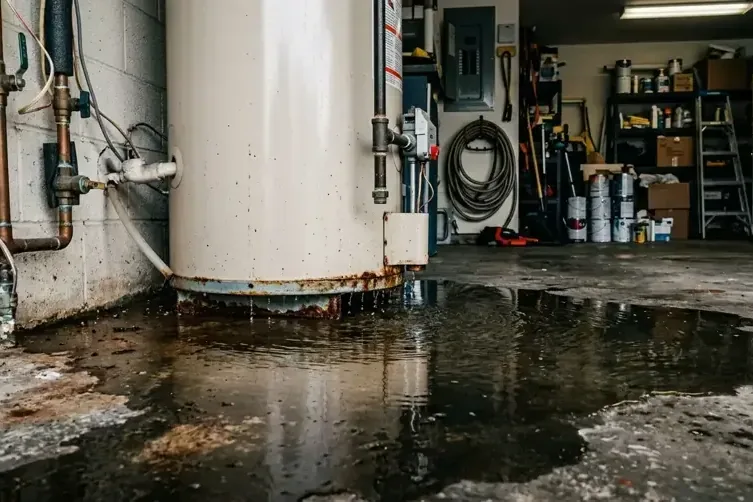
How the team handles water heater leak cleanup
Rapid local response
The response team treats active water as urgent and asks about the source, electrical hazards and occupied rooms. Dispatch planning starts with safe access and a clear description of the loss.
IICRC S500 drying standard
The drying team sets a moisture goal for each material, then balances extraction, airflow and dehumidification. Daily readings show where equipment needs adjustment and when drying can finish.
Claim-ready documentation
The restoration contractor records the water source, affected materials and work sequence. Photographs and moisture records explain the scope to the property owner and insurer without promising a coverage decision.
Local water experts
The mitigation team checks the actual building and follows water beyond the visible puddle. Adjoining rooms, floor edges and concealed cavities receive attention before finishes close over the structure.
First steps for water heater leak cleanup
Avoid wet equipment controls
Occupants should not handle wet electrical components or attempt unsafe work around the heater. An appropriate specialist can establish how the equipment and supply are isolated.
Identify the water's visible route
Photographs of the tank base, closet threshold and neighboring floor help document where the release traveled before extraction or equipment replacement changes the area.
Describe storage and access limits
The cleanup team needs to know about shelves, stored belongings and narrow openings. Those details affect safe movement and inspection around the heater installation.
Coordinate the replacement schedule
If the heater must be moved, the exposed floor creates an opportunity for inspection. Equipment replacement and restoration should allow the affected assembly to be assessed.
Water beside a heater can be difficult to reach because the tank, connections and nearby storage occupy the same small area. The cleanup plan needs to address safe equipment isolation before anyone works around the installation. It should also follow water through the surrounding floor rather than assuming the puddle beside the tank is the whole loss.
What does water heater leak cleanup cost in Somerville, NJ?
Water heater cleanup costs in Somerville depend on closet access, affected finishes and spread into connected rooms. These ranges describe restoration of wet materials. Tank service, equipment replacement and plumbing work should appear as separate items from the drying and cleanup scope.
Accessible spill
- Open floor cleanup
- Limited perimeter moisture
- Simple equipment access
Closet and finishes
- Wet wall bases
- Concealed floor edges
- Targeted material access
Spread into rooms
- Connected floor layers
- Additional room checks
- Expanded drying arrangement
Typical ranges depend on water category, wet area, access and material layers. The inspection defines the scope. Compare inputs with the water damage cost calculator.
The water heater leak cleanup process
Assess isolation and room conditions
The visit establishes the equipment status and accessible water boundary. Information from the heater specialist helps coordinate tank access with inspection of the surrounding building materials and stored contents.
Remove the escaped water
Extraction addresses reachable pools around the installation and adjacent spaces. Contents handling and access beneath equipment are coordinated so retained water is not overlooked when the open floor clears.
Assess wet perimeter materials
Wall bases, floor seams and thresholds receive moisture checks. The findings support decisions about retaining finishes, opening inaccessible layers and arranging equipment around the actual wet area in the room.
Confirm the restoration handoff
Final observations separate completed drying from heater repair and finish replacement. The owner should have a clear record of the remaining material condition before storage returns or the area is enclosed.
Give the equipment specialist and cleanup team separate tasks
The equipment specialist determines how the heater and its connections should be repaired or replaced. Restoration deals with the escaped water and affected room materials. Those tasks may need coordinated access, especially when moving the tank is necessary to expose flooring that cannot otherwise be inspected.
Somerville includes Victorian architecture around Main Street and apartments at The Edge at Main on West Main Street. Heater locations and surrounding finishes need individual inspection in these different buildings. A closet, utility room or other installation area should be assessed as found, including its actual floor layers and adjoining walls.
Water around a heater often reaches places hidden by the installation. Describe the tank location, adjoining rooms and any replacement plans so inspection can be coordinated with equipment access and cleanup.
(888) 471-9821Discuss the heater room damageLook along the floor perimeter and beneath storage
A slow release may remain hidden behind stored items or pass under a partition before discovery. Swollen trim, loose floor edges and damp contents provide useful inspection points. Moisture checks should extend into neighboring rooms where continuous flooring or a shared wall creates a possible path.
- Record water marks around the installation before the tank is moved.
- Identify belongings that obstruct inspection of the wet floor perimeter.
- Check adjoining thresholds after the exposed puddle has been removed.
A drained or replaced tank does not remove water already held in wall bases and flooring. That retained moisture needs its own plan. Material access should be limited to what the assessment supports, with an explanation when damaged finish layers or concealed wet areas require opening.
Dry the room that surrounds the new repair
Equipment placement must respect the installation area and any restrictions identified by the heater specialist. The drying plan should cover affected materials without obstructing necessary access. Repeated readings show whether floor layers and wall edges are responding, while stubborn pockets may call for further inspection.
The handoff should describe the source repair status, remaining moisture findings and any finish replacement still needed. Appliance leak cleanup addresses similar hidden floor spread from other equipment, while a broader wet room may need additional extraction before the detailed drying work can proceed.
Water heater leak cleanup in Somerville
Somerville heater spill assessments consider the installation space, connected floor finishes and access for equipment service. Owners should describe storage restrictions and whether the tank has already been isolated, repaired or scheduled for replacement.
The same service nearby: water heater leak cleanup in Somerset, Middlesex, Piscataway.
Water around a heater often reaches places hidden by the installation. Describe the tank location, adjoining rooms and any replacement plans so inspection can be coordinated with equipment access and cleanup. Call (888) 471-9821.
Related water damage services in Somerville



Water Heater Leak Cleanup questions in Somerville, NJ
Discuss the wet area
Water around a heater often reaches places hidden by the installation. Describe the tank location, adjoining rooms and any replacement plans so inspection can be coordinated with equipment access and cleanup.
(888) 471-9821Discuss the heater room damageDoes replacing the heater complete the cleanup?
A replacement stops the equipment problem only when the source has been properly addressed. Water already absorbed by flooring and wall bases may remain. The installation area needs a separate material inspection, particularly beneath the former tank position and at thresholds leading into adjoining rooms with continuous floor finishes.
Can water travel beyond a utility closet?
Yes. Water can pass beneath a wall base or through a threshold into neighboring flooring. The inspection should follow that route with observations and moisture checks rather than stopping at the closet opening. Connected rooms may need attention even when their surfaces show less obvious standing water.
Should belongings be removed from around the tank?
Storage can obstruct inspection, but movement should respect equipment and electrical hazards. The assessment can identify safe relocation needs and distinguish damp contents from unaffected items. Photographs taken before movement help document the original condition and reveal where water had collected beneath boxes or other stored belongings.
How is a tight heater area dried?
The equipment arrangement depends on access, the wet materials and restrictions around the installation. Some assemblies need selective opening or coordinated tank movement to expose trapped moisture. Repeated readings then show whether the chosen approach reaches the affected floor and wall edges instead of merely drying the room air.
What belongs in the written estimate for this loss?
The estimate should list water removal, material access, drying and any disposal separately from heater service or replacement. Additional room damage should be identified by location. Clear descriptions help the owner understand why restoring a wet closet may involve work beyond installing a functioning tank in the same place.
When can shelving and stored items return?
Storage should return after affected materials are ready and necessary equipment or repair access is complete. Placing belongings against damp wall bases or over wet flooring can obstruct remaining drying and inspection. The closeout discussion should identify any area that still needs finish work or continued access.
Restore the materials around the repaired equipment
A room assessment follows the escaped water into floor edges and wall bases before storage and finish work return.
(888) 471-9821Arrange heater spill cleanup