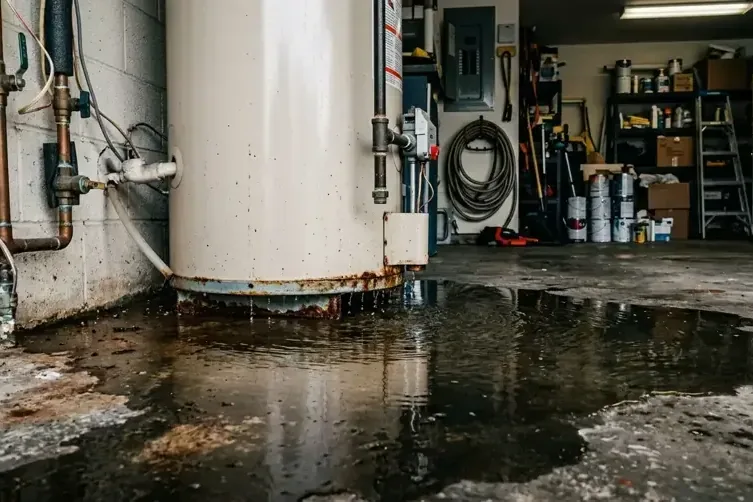
A leaking water heater in Middlesex can leave a damaged appliance, soaked belongings and wet building materials in the same small area. The borough offers appointment collection for large household appliances, while its bulk pickup excludes construction materials. Planning those disposal routes separately helps keep the cleanup organized as the source is repaired and the surrounding room is dried.
Key takeaways
- Keep clear of wet electrical equipment and hot water.
- Have the appliance and its connections assessed before replacement.
- Photograph the surrounding room before moving stored belongings.
- Confirm collection arrangements for the specific household appliance.
- Arrange a separate destination for removed flooring, wallboard and other construction debris.
Assess the tank area before entering the water
Water around a heater can involve hot surfaces, electrical equipment and restricted working space. The first report should describe the visible discharge and nearby equipment from a safe location.
Occupants should avoid stepping into water to reach appliance controls when the condition of the surrounding equipment has not been assessed.
A qualified repair professional should examine the heater, connections and source of the release. The homeowner can explain whether water was first noticed under the tank, near a connection or along a path into the adjoining room.
That observed sequence gives the repair visit a practical starting point without requiring a household diagnosis.
The restoration contractor needs to know whether the release is still active before arranging room cleanup. Source repair and water removal may need coordination around the same confined area.
The property contact should keep the repair status visible to both contractors so new water does not enter while the room is being treated.
- Describe where water appears without entering an unsafe area.
- Mention affected power connections and nearby mechanical equipment.
- Share the source repair status with the cleanup contractor.
Record stored belongings before clearing the work area
Storage around a heater can conceal water traveling toward wall bases or beneath shelving. The homeowner should identify wet boxes, furniture feet and loose contents before removal changes the room.
Broad photographs can show how those objects were arranged, with closer pictures reserved for visible damage and identifying details.
Water heater leak cleanup should include the surrounding surfaces reached by the release. A narrow puddle beside the appliance may lead to a wider wet area under storage.
The contractor needs enough clearance to inspect those edges, recover liquid and measure materials that remain in place.
Relocated objects should have an agreed destination away from the wet working area. Labeling them by the original shelf or room corner makes later sorting easier.
Any item awaiting a cleaning or disposal decision should remain separate from dry possessions so cleanup does not expand into a previously unaffected storage space.
Keep appliance collection distinct from debris removal
Middlesex provides appointment collection of large household appliances throughout the year. Before relying on that service for a removed heater, the resident should confirm acceptance of the specific item and the preparation and placement instructions.
The replacement contractor can then coordinate removal around the confirmed collection arrangement.
The borough's bulk pickup exclusions include construction materials. Removed wallboard, flooring and similar building debris therefore need a separate disposal plan within the repair scope.
A contractor's estimate should identify who handles those materials and where they will go, rather than treating the entire pile as appliance collection.
The distinction matters when several trades share the work. A plumber may remove the appliance while a mitigation contractor removes wet building materials.
The property contact should confirm which contractor handles each load, along with any temporary storage arrangement that keeps exits and necessary equipment access clear.
- Confirm collection instructions for the actual removed appliance.
- Name the contractor responsible for construction debris.
- Keep the appliance, household contents and building debris separately identified.
Reach the wet edges beyond the appliance footprint
The most visible water often surrounds the heater, but liquid can run along floor joints and behind stored objects. The crew should inspect the room perimeter and adjoining surfaces where the observed path leads.
Water under a cabinet or behind trim may require access that is separate from moving the appliance itself.
Extraction of pooled water should be coordinated with safe equipment access and the repair professional's work. Once the appliance area becomes accessible, the contractor can assess hidden surfaces previously blocked by the tank.
Any newly visible damage should be photographed before the next part of the installation conceals it.
The removal record should distinguish wet material from material opened for access. That helps the homeowner understand the eventual repair estimate and the amount of debris generated.
It also makes a useful handoff for a finish contractor who arrives after the heater has been replaced and the original wet boundary is less obvious.
Dry retained materials before rebuilding the enclosure
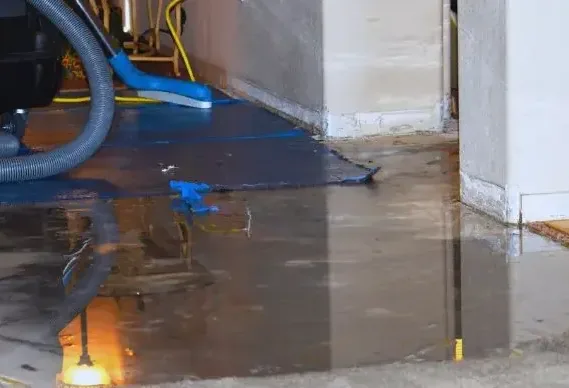
Wall bases, support surfaces and adjoining floor layers may need continued drying after the leak has been stopped. The contractor should identify which materials will remain and which measurement points will be revisited.
A replacement appliance can restore hot water while the room around it still requires moisture control and finish work.
The structural drying process should accommodate the installed equipment and its required access. Drying devices must not obstruct the repair professional's service space or household routes.
The property contact should ask how room use, stored belongings and any remaining protective barriers fit within the current setup.
Measurements should remain connected to the original wet locations, even if the tank or storage arrangement changes. A reading beside a newly installed appliance is easier to interpret when the log explains the prior location and observed water route.
The closing report should describe the material condition that supports the handoff to repairs.
- Label wet wall and floor locations before equipment changes.
- Keep appliance access clear while drying remains active.
- Confirm readiness before enclosing previously wet materials.
Arrange pickup and contractor visits around safe access
A removed tank, packaged debris and drying machinery can quickly fill a small access route. The schedule should identify when each item will leave the property and which path it will use.
Temporary placement should preserve exits and avoid forcing residents to step over hoses, sharp debris or unstable objects.
The household should receive clear instructions for anything awaiting collection. The contractor handling an appliance can explain its safe placement, while the debris contractor should specify how removed construction materials are contained.
A confirmed collection appointment belongs in the same work schedule as the repair and drying visits.
Middlesex is a borough in Middlesex County, and its published collection arrangements apply to that municipality. The property contact should use the correct borough information when coordinating the service.
Keeping the collection confirmation with the job file makes it easier to resolve a missed pickup or changed contractor visit.
Check the finished room as well as the new appliance
A closing inspection should include the floor beneath the former leak, repaired wall sections and spaces where storage was removed. The homeowner should compare completed work with the written scope while those surfaces remain visible.
Returning boxes before that inspection can hide an unfinished repair or a location that still needs inspection.
The file should contain the source repair description, drying results, disposal arrangements and photographs of the affected area. Each record serves a different purpose when the property needs maintenance later.
The homeowner can use them to explain which appliance was replaced and what happened to the room during the same incident.
A new wet patch around the replacement equipment should be reported promptly with its location and timing. The repair and cleanup contacts should be easy to identify from the file.
That makes it possible to investigate a returning symptom without confusing the new observation with photographs of the original release.
Questions
Can removed wallboard go with household appliance pickup?
The borough excludes construction materials from bulk pickup. The project should arrange a suitable separate disposal route for wallboard and other removed building components, with responsibility stated in the contractor's scope.
Will the borough accept the removed heater?
The resident should confirm the specific appliance with the appointment collection service and obtain preparation instructions. That confirmation should happen before the contractor relies on municipal collection in the removal schedule.
Does a replacement heater mean the surrounding room is finished?
Restoring the appliance leaves separate questions about wet flooring, wall bases and stored belongings. The mitigation record should show which surrounding materials were treated and whether finish repairs remain.
What should be checked before storage returns?
The homeowner should inspection repaired surfaces, closing moisture results and any continuing access needs. Shelving and boxes can then return according to the agreed room plan without covering unfinished work.