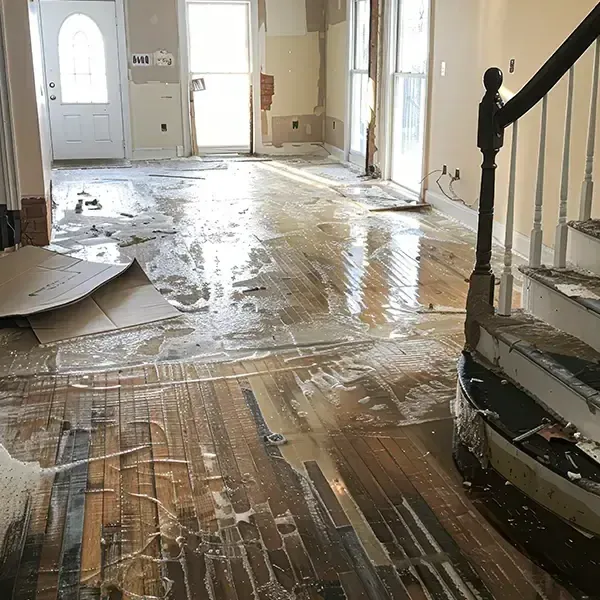
A sewage backup in Somerset needs a clear description of what entered the building and where it appeared. Franklin Township sewerage service is provided by the Township of Franklin Sewerage Authority. Reporting the drainage problem and arranging cleanup inside the property are separate tasks, and both benefit from an accurate record made from a safe, dry location.
Key takeaways
- Keep people and pets outside rooms touched by sewage.
- Record which fixtures backed up and whether the discharge is continuing.
- Reduce household water use while the drainage problem is being assessed.
- Arrange protected removal and cleaning before drying equipment operates.
- Retain photographs, material decisions and repair records in the same property file.
Describe the problem before moving through the house
The most useful initial account names the room, the affected drain and the water's direction of travel. A toilet overflowing onto a bathroom floor presents a different access problem from wastewater rising through a lower floor drain.
The person reporting it should describe visible conditions without walking through the discharge.
A short sequence of observations helps the plumber and cleanup contractor organize their work. The record can state when a fixture was last used, when the first overflow appeared and whether other fixtures became affected.
Photographs taken from the doorway preserve the original boundary before wet objects obscure it.
Somerset is an unincorporated community in Franklin Township, Somerset County. Using that location clearly when describing the property helps keep the service request specific.
The report should identify the actual affected building and its access arrangements, with separate notes for any room that occupants cannot safely enter.
- Name the lowest affected fixture and any other overflowing drains.
- Describe whether wastewater remains active or has stopped rising.
- Mention any electrical equipment or damaged finishes within the wet area.
Keep the drainage report separate from the room assessment
The Township of Franklin Sewerage Authority is the local sewerage service contact identified for the township. A drainage report should explain the observed backup and request direction for the reported condition.
A plumbing assessment can then establish what work is needed at the property and who must coordinate access.
The indoor cleanup scope follows the wastewater that reached floors, contents and building materials. Sewage cleanup planning includes protected handling, removal decisions and cleaning access.
A repair to a blocked drain can stop the discharge while leaving a substantial amount of contaminated material inside the room.
The homeowner or property manager should keep the names of each assigned contractor with a brief description of the work requested. This avoids a gap between clearing the drainage problem and treating the room.
A written handoff should state whether the source remains active before the cleaning team arrives.
Establish a clean route for occupants and belongings
A closed door or a clear boundary helps keep household traffic out of the affected space. Shoes, bags and pet movements can carry wet residue into dry rooms.
Access should follow a route that avoids the discharge and preserves a separate place for household members to wait or collect necessary belongings.
The contents inventory begins with items that can be seen safely. Furniture legs, storage boxes, rugs and lower shelves may each have different contact with the water.
The cleanup team should distinguish exposed items from dry possessions before moving anything through the house or setting it on an unaffected floor.
An essential object inside the affected room should be discussed with the cleanup contractor before retrieval. Medication storage, personal records and daily clothing may require special handling or replacement decisions.
The need for an item does not make a contaminated path suitable for ordinary household foot traffic.
- Keep children and animals beyond the work boundary.
- Identify dry exits that remain usable throughout cleanup.
- Record the starting location of belongings before authorized relocation.
Remove liquid with equipment suited to the exposure
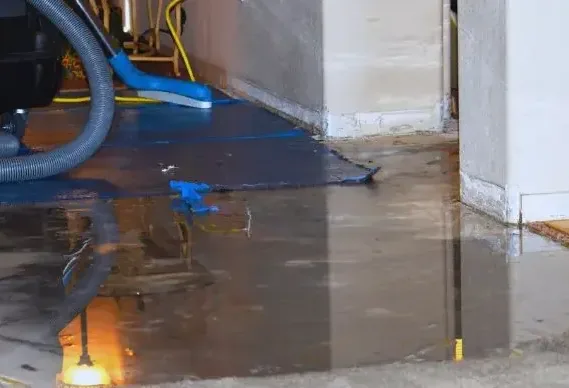
Standing wastewater creates an immediate removal task, but the equipment must suit contaminated water and the room conditions. The contractor assesses electrical access, surface stability and handling requirements before bringing machinery inside.
A household vacuum or an improvised pump should never substitute for a protected sewage cleanup plan.
The water extraction process should account for liquid caught beneath movable contents and along floor transitions. Removal routes need protection so hoses and containers do not spread residue into clean parts of the property.
Wet conditions around a power source require assessment before equipment is energized.
The amount visible on the open floor can shrink while wastewater remains under cabinets or behind trim. The crew follows that route as access becomes available and records newly exposed areas.
Each discovery may change the removal boundary, the contents list or the amount of material requiring controlled handling.
Make cleaning decisions by material and access
Porous materials touched by sewage need careful removal decisions because surface wiping cannot reach every absorbed area. The assessment identifies affected wallboard, insulation, carpet backing and other absorbent layers actually present in the room.
The contractor explains which pieces require removal and how adjoining dry materials will be protected.
Retainable surfaces need an organized cleaning sequence with suitable products and application methods. Work should reach joints, edges and the lower parts of fixtures where wastewater accumulated.
A strong fragrance or a visibly shiny floor is not the completion record; the file should describe the surfaces treated and remaining access issues.
Openings made for cleanup should have a defined purpose and an authorization record. Photographs before and after removal show the hidden conditions that shaped the decision.
Debris packaging and transport should follow the contractor's handling plan, with an agreed destination that keeps contaminated materials away from occupied rooms.
- Identify the material and water contact before choosing a treatment.
- Photograph concealed residue revealed during removal.
- Keep cleaning records linked to the room and surface treated.
Dry the cleaned structure and track hidden edges
Drying begins after the cleaning and material removal sequence allows appropriate access. The contractor positions equipment around retained assemblies and checks moisture in the surfaces that absorbed water.
A floor may feel dry underfoot while a wall base or an exposed framing connection still needs further attention.
Structural drying measurements help track those remaining wet locations. Comparing the same material at repeatable points makes the record easier to understand.
Changes to airflow or dehumidification should follow the moisture pattern rather than a household preference for taking equipment away as soon as the room looks tidy.
Occupants need practical instructions about the work area while equipment operates. Door positions, access restrictions and equipment settings can affect the drying arrangement.
Any new discharge or unexpected increase in moisture should reach the contractor promptly so the source and room conditions can be reassessed before finishing work proceeds.
Close the cleanup with a usable property record
The final handoff should connect the drainage repair, contaminated material decisions, cleaning work and drying results. Keeping those records together makes it easier for a homeowner to understand what remains to be rebuilt.
A clean room awaiting new flooring has a different remaining scope from a room awaiting another plumbing inspection.
Repair estimates should name the surfaces that were removed and the finishes proposed for replacement. The file also benefits from photographs of exposed assemblies before they are covered again.
That record gives the next contractor a clear view of the completed cleanup and reduces repeated explanations during the repair phase.
An unresolved drain symptom belongs in the handoff even if the interior surfaces have dried. Repeated gurgling, renewed discharge or a returning wet patch calls for another assessment of the source.
The property contact should know which contractor handles that followup and which documents describe the earlier repair and cleanup.
Questions
Does drain repair complete the entire cleanup?
Restoring drainage addresses the source. Wastewater already inside walls, flooring or belongings still requires its own removal, cleaning and drying decisions before the room returns to ordinary use.
What information helps with the first report?
A concise account of the affected fixtures, observed sequence and current water movement gives the receiving contact a useful starting point. Safe photographs can supplement that description without requiring entry into the wet room.
Can dry belongings stay nearby?
Unaffected items may remain in a protected area if cleanup access and contamination controls allow it. Their location should be agreed before the crew begins carrying wet debris through the building.
When should replacement finishes be scheduled?
The repair contractor should receive the completed cleaning record and material drying results first. Any remaining source problem or inaccessible wet assembly should be resolved before new finishes conceal it.