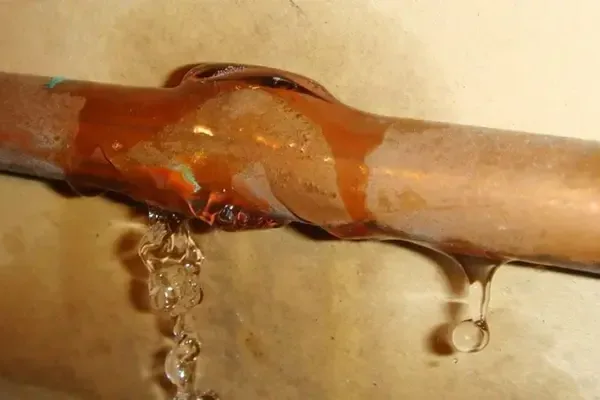
Somerset has cool to cold winters. When a frozen pipe begins to thaw, a household may notice a new drip or wet surface after the first sign of reduced flow. The response needs to connect a professional assessment of the pipe with inspection of the rooms that received water, including concealed spaces where the release may have traveled before becoming visible.
Key takeaways
- Treat a new leak during thawing as an active source problem.
- Avoid open flames or improvised heat around a suspected frozen pipe.
- Identify wet rooms above, below and beside the first visible stain.
- Keep source repair details linked to the interior moisture record.
- Finish repairs only after retained assemblies have been evaluated for drying.
Record the change from reduced flow to visible water
The first useful account describes what changed at the property. A fixture may have lost flow, a damp patch may have appeared near a wall or water may have begun dripping into another room.
The homeowner should report the sequence and locations without trying to locate a hidden split by opening the wall independently.
A plumber should assess the suspected frozen section and any active release. If a safely accessible shutoff can isolate leaking water, the property contact can follow appropriate direction for that control.
Access involving wet electrical equipment, damaged finishes or an unknown valve arrangement needs professional assessment before an occupant attempts it.
The description should include rooms that were unusually cold and any areas that cannot be reached safely. Those observations help the plumber organize the visit and explain access needs.
The homeowner should avoid applying an open flame or improvised heat source to piping while waiting for the assessment.
- Record the first reduced flow and the first observed leak separately.
- Identify the room containing each visible symptom.
- Tell the plumber about restricted access and nearby electrical equipment.
Follow the release beyond the repaired pipe
A pipe repair can stop new water while leaving the adjoining building materials wet. The restoration assessment should follow the observed route through the wall, down to the floor and into any room below.
A small exposed split may have released water into a cavity before the household saw a stain.
Frozen pipe water damage cleanup should therefore include source status and a separate moisture map. The map identifies the assemblies that actually became wet and the access needed to inspect them.
It gives the cleanup contractor a reasoned work boundary that can be updated as concealed surfaces are exposed.
The repaired location should remain documented in photographs or the plumber's work description. That helps the mitigation crew interpret moisture near the source and track the release path into adjoining areas.
It also gives a later repair contractor a useful account of what was opened and why the surrounding finish changed.
Check walls and ceilings before touching damaged finishes
Water emerging below a pipe can soften ceiling material or collect behind a painted surface. A bulge, sag or loose edge changes the room's access conditions.
Occupants should remain away from the affected section while the contractor assesses safe removal and any electrical fixtures within or near the wet area.
A ceiling water assessment can connect the overhead damage to the room above and the wall junctions beside it. The contractor should explain whether insulation, framing or another retained layer needs inspection.
Opening a surface should serve that defined purpose and preserve a record of conditions inside the cavity.
Contents beneath the damaged area need attention before controlled access begins. The household should identify essential objects and agree on a safe relocation plan with the contractor.
Protective arrangements should keep dry belongings outside the work path while leaving enough space to remove loose material and inspect the newly exposed assembly.
- Keep people out from beneath visibly weakened ceilings.
- Record lights or other electrical fixtures near the wet section.
- Approve contents relocation before controlled material removal starts.
Remove available water from the rooms it reached
Water on a hard floor can continue moving into seams and under nearby contents. Extraction should follow the source assessment and safe access arrangements, with tools selected for the surface.
The contractor should inspect thresholds and adjoining rooms where the liquid path extends beyond the first visibly wet area.
Water removal from affected flooring may need to include spaces behind storage or beneath a rug. Moving those objects should have a documented destination and handling plan.
Wet belongings should remain apart from dry items while the floor and lower wall surfaces underneath become available for inspection.
The crew should record water discovered after a cabinet, appliance or large furniture item is moved. Those observations can explain why the final cleanup area differs from the initial photograph.
They also keep the property contact informed before additional material removal or a change in drying equipment is proposed.
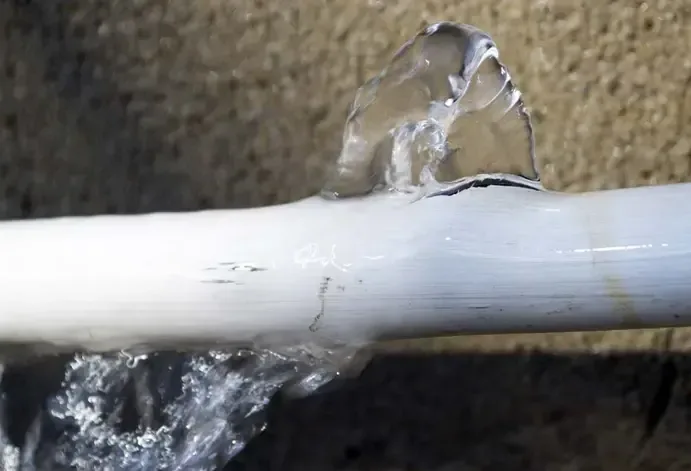
Dry cavities with measurements that show the remaining work
Retained framing, wall bases and floor layers need separate attention when they absorbed the pipe release. The drying plan should identify accessible measurement points and the material goal used for each part of the assembly.
Room air conditions support that work, while the material readings describe progress inside the affected structure.
Equipment should be arranged around the wet locations and the access available after repair. A dry surface near an opening may sit beside a wetter concealed section.
The contractor should explain how inaccessible areas will be evaluated and whether additional controlled access is needed before the drying work can be completed.
The household should know which settings and room boundaries must remain in place during treatment. Adjustments for comfort or storage should be discussed with the contractor before equipment is moved.
Keeping the arrangement stable allows changes in the moisture record to be assessed against a consistent work setup.
- Label readings by room, material and inspection point.
- Document the reason for any additional access opening.
- Discuss equipment changes before moving devices or returning stored items.
Plan the finish repair around the completed source work
The plumber's repair description should identify the work performed and any followup needed at the affected piping. The drying contractor should provide the condition of surrounding retained materials.
Bringing those records together gives the finish contractor a clear basis for closing an opening or replacing damaged trim and flooring.
Repair planning should include surfaces altered for access as well as those directly damaged by water. A wall opening may extend beyond the visible stain to reach the pipe or a wet cavity.
Photographs taken before closure help explain that boundary and preserve the concealed condition for future maintenance questions.
The homeowner should inspection how replacement finishes meet the adjoining room. Paint, trim and flooring transitions can require decisions beyond the original plumbing repair.
A written scope keeps those details visible and allows the household to understand which contractor is responsible for each part of the remaining work.
Address the affected pipe location before another cold period
After the immediate leak is controlled, the property contact should discuss the affected pipe location with the repair professional. The conversation can address the actual exposure, access and protective changes appropriate to the building.
Any recommended followup should be recorded with the completed repair so it remains visible after the wall or ceiling is restored.
In Somerset, a winter response file should stay focused on the particular home and the rooms affected. The community's cold season provides the setting, while the plumber's findings define the pipe problem.
A clear location description makes it easier to revisit the repaired area if reduced flow or moisture appears again.
The closing walkthrough should identify which belongings can return and whether any part of the repair remains open. The household should retain the source repair record, material drying results and useful photographs together.
A later symptom can then be reported with a precise room reference rather than an uncertain memory of the earlier release.
Questions
Why can a leak appear after water flow returns?
A damaged pipe can begin releasing water as ice clears and flow resumes. A plumber should assess the suspected section, and the surrounding rooms should be checked for water that escaped before the visible symptom appeared.
Should a household open a wet wall to look for the split?
Access should be planned with the repair and mitigation contractors. Electrical conditions, weakened finishes and the likely pipe location affect where an opening can be made safely and what needs protection around it.
Can heating the room finish the drying job?
Room warmth alone does not describe the moisture left inside building materials. The contractor needs an appropriate drying arrangement and measurements of the affected assemblies before finish work is scheduled.
What information helps if moisture returns later?
The homeowner should provide the location, timing and photographs of the new wet area along with the earlier pipe repair and drying records. That gives the contractor a clear comparison for the followup inspection.